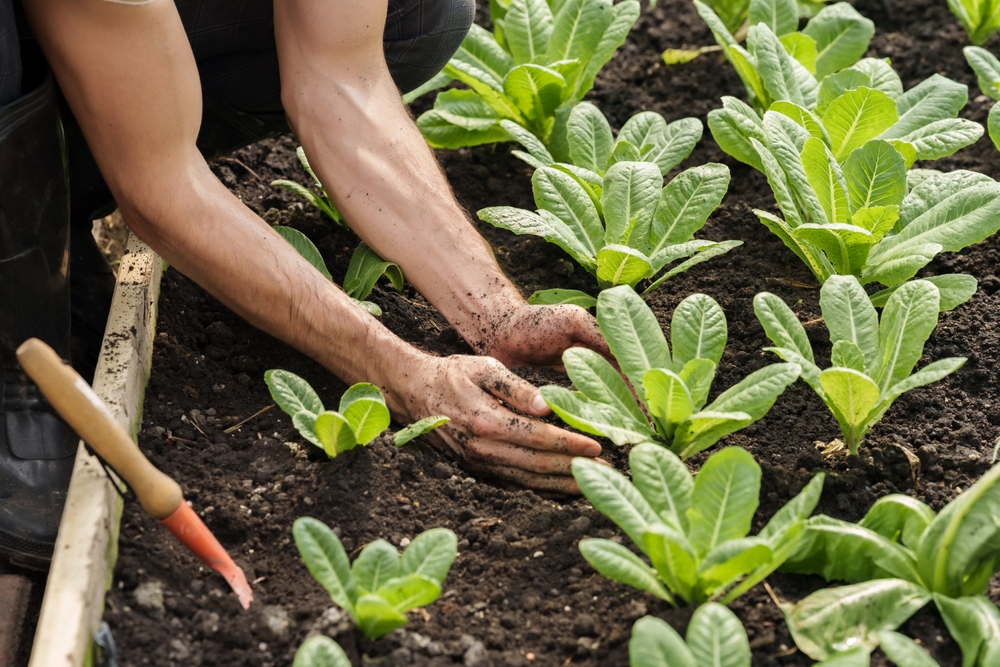
The end of summer tends to send gardeners into a small panic—leaves start falling, temperatures dip, and suddenly everyone thinks the planting window has slammed shut. But the truth is, the late-season garden is one of the most exciting playgrounds you’ll ever step into. Cooler weather brings fewer pests, sweeter flavors, and veggies that actually prefer a little chill in the air. If you’ve been feeling like you missed your chance to grow something delicious, consider this your sign to grab a shovel and jump back in.
Late-season gardening isn’t a consolation prize—it’s a secret season filled with hardy heroes that thrive when other plants start calling it quits.
1. Kale: The Frost-Loving Powerhouse
Kale is practically the superhero of cold-tolerant veggies, and it doesn’t mind showing off about it. When temperatures drop, kale actually gets sweeter, making those early frost mornings more of a flavor boost than a threat. Its thick, ruffled leaves stand tall even when other greens start to flop, giving your garden a last burst of life and color. Best of all, it grows fast enough late in the season to give you multiple harvests before winter fully settles in. If you’re looking for a veggie that laughs in the face of cold weather, kale is your go-to.
2. Carrots: The Root Crop That Loves A Chill
Carrots might be humble, but they know how to thrive when the air gets crisp. In fact, a touch of cold encourages them to convert stored starch into sugar, turning them into some of the sweetest veggies you’ll ever taste. Late-season planting yields smaller but incredibly flavorful roots that practically melt when roasted. They’re also low maintenance—drop them in the soil, keep them watered, and they quietly get the job done underground. If you want a vegetable that rewards patience with incredible taste, carrots are a must.
3. Spinach: The Cold-Season Speed Demon
Spinach is the vegetable equivalent of someone who packs a full day’s work into a single hour. It grows quickly, stays tender in cooler weather, and produces leaves that get more flavorful as the temperature drops. Late-season spinach doesn’t bolt the way it does in summer, giving you a steady supply for salads, stir-fries, and smoothies. Its resilience makes it easy to grow even for beginners, who often find themselves harvesting sooner than expected. If you plant it late, you’ll still feel like you’re getting away with something.
4. Radishes: The Quickest Win In Cold Weather
Radishes don’t just tolerate the cold—they sprint through it. This is one of the fastest veggies you can plant late in the season, and it rewards your impatience with colorful, crunchy bulbs in as little as three weeks. The cooler temperatures soften their bite, making late-season radishes surprisingly mild and refreshing. They’re also one of the few vegetables that require almost no effort beyond planting seeds and keeping the soil moist. For gardeners craving immediate gratification, radishes are an easy and delightful victory.
5. Garlic: The Veggie That Wants To Sleep Before It Works
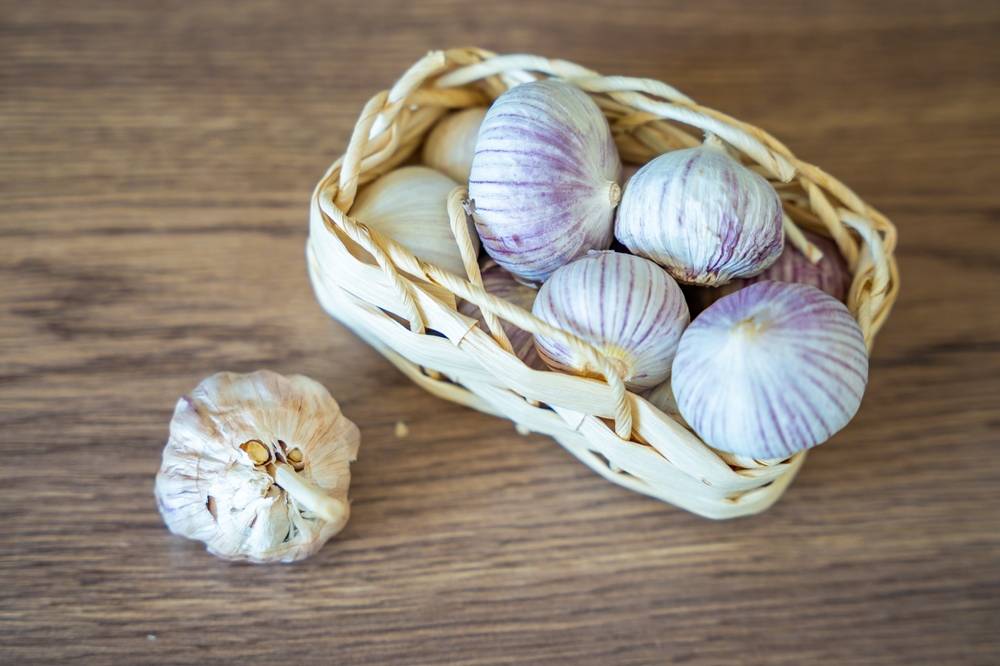
Garlic may be planted late in the season, but it doesn’t rush—it settles in for winter and gets to work quietly beneath the frost. Planting garlic in the cooler months actually gives it time to develop strong roots, setting it up for massive bulbs the following summer. This slow-and-steady crop thrives on patience and rewards gardeners who think long-term with unparalleled flavor. Once it’s in the ground, garlic barely asks for anything except time and a decent layer of mulch. In the realm of late-season planting, garlic is the gift that keeps on giving.
6. Cabbage: The Frost-Kissed Crunch Machine
Cabbage may look delicate, but it’s a heavyweight when it comes to handling cold. Late-season planted cabbage forms tight, crisp heads that become sweeter after a frost or two. While it takes a bit longer to mature, the cooler climate helps protect it from pests that attack earlier in the year. Its sturdy leaves stand firm well into fall, making it one of the most reliable vegetables to grow as the weather gets unpredictable. When the rest of your garden slows down, cabbage steps up with crunch, flavor, and durability.
7. Beets: The Vibrant Roots That Thrive In Chill
Beets are surprisingly content with lower temperatures, making them an excellent choice for last-minute gardeners. They’re versatile enough to enjoy as roots or greens, giving you two harvests from one plant. Cooler weather intensifies their signature earthy sweetness, turning them into a culinary treat for roasting, pickling, or salads. They establish quickly in fall soil and continue growing steadily until frost. If you’re looking for color, flavor, and nutrition packed into a single plant, beets are your late-season stars.
8. Swiss Chard: The Colorful Survivor Of Cold Weather
Swiss chard brings a burst of color when most gardens are going dull, and it handles cold like a champion. Its stems in vibrant reds, yellows, and oranges stand out against the muted tones of fall, making your garden feel alive again. The leaves stay tender and flavorful even when temperatures dip, making them perfect for sautéing or adding to soups. Chard’s ability to keep producing even after light frost means you’ll enjoy fresh greens longer than you expect. When you need both beauty and resilience, Swiss chard delivers effortlessly.
Your Garden Isn’t Done Yet
Late-season planting is one of the most rewarding gardening adventures, especially when you choose veggies that don’t just tolerate cold but thrive in it. These hardy plants bring color, flavor, and life to your garden long after most crops have wrapped up for the year. With the right choices, you can enjoy fresh, homegrown food deep into the colder months.
Which cold-tolerant veggies have you tried, and what are your favorites to plant late in the season? Share your thoughts, stories, or gardening triumphs in the comments below.
You May Also Like…
8 Cold-Tolerant Greens to Plant in September
How Cold-Tolerant Greens Store Energy Differently
10 DIY Cold-Frame Hacks for Winter Veggies
The Winter Vegetable Garden Hack That Southern Gardeners Swear By
9 Root Vegetables That Should Be Stored in Sawdust

Brandon Marcus is a staff writer for FrugalGardening.com at District Media, Inc., where he delivers practical gardening advice with a relatable, no-nonsense style. An avid amateur gardener, he holds a BA degree and with over ten years of professional writing experience, he is also an award-winning published author whose first book, Questions For Deep Thinkers, was released by Adams Media. His work has appeared in major publications including Fandom.com, CHUD.com, TheColdWire.com, and Fansided.com.
Leave a Reply