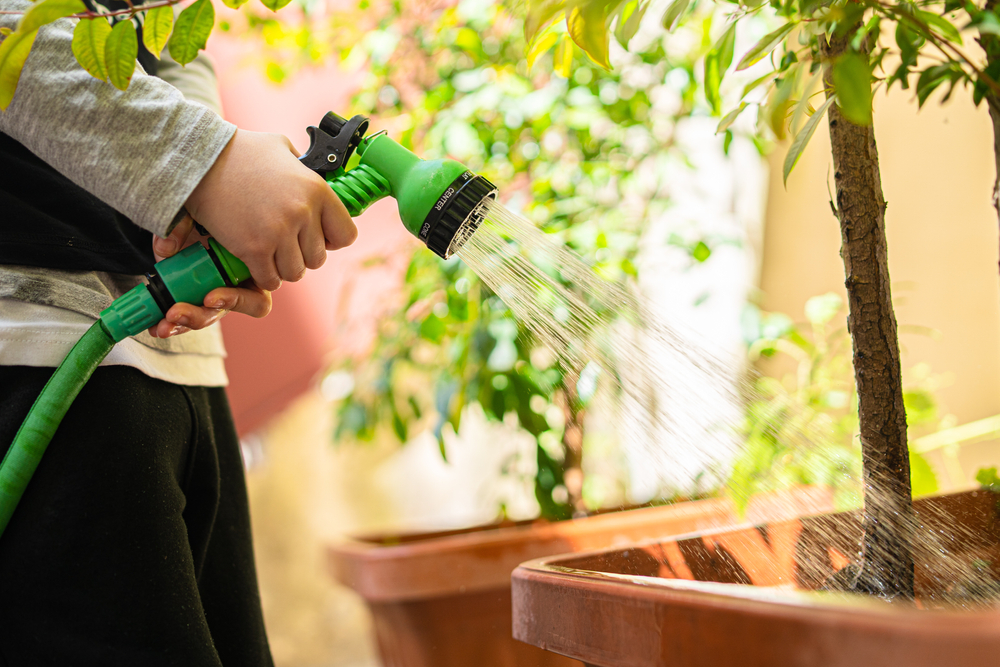
Few things ruin a sunny afternoon faster than reaching for your garden hose, only to find a frozen, cracked faucet or a hose that has split apart. Homeowners often take care of their lawns, plants, and outdoor furniture, yet completely forget about a step that can save hundreds of dollars in damage. The cold weather, harsh winds, and fluctuating temperatures can wreak havoc on unprotected outdoor plumbing if left unchecked. What’s shocking is how simple the solution can be—and yet, most people overlook it entirely.
If you want to protect your outdoor faucets and hoses from cracking, it’s time to pay attention to the step that’s easy to miss but crucial for winter-proofing your home.
Why Outdoor Faucets Crack During Winter
Outdoor faucets are surprisingly vulnerable when temperatures dip below freezing. Water left inside pipes and faucets expands as it freezes, exerting pressure that can crack metal and plastic components. Even a tiny crack can turn into a full-blown leak once the ice thaws, potentially flooding your garden or yard. Many homeowners focus only on their indoor plumbing, assuming that outdoor spigots are less critical. The truth is, without proper preparation, a single faucet can become the source of costly repairs and major headaches.
The Step Most Homeowners Forget
The step that most people skip is draining and insulating outdoor faucets and hoses before winter hits. It sounds simple, but it’s often neglected because it doesn’t seem urgent until it’s too late. To do this properly, you need to disconnect hoses, drain them completely, and cover the faucet with a protective insulating cover. These small actions prevent trapped water from freezing and expanding inside the faucet. By taking the time now, you save yourself from unexpected plumbing disasters when winter temperatures arrive.
Hose Care That Prevents Splitting
Your garden hoses are more fragile than you might think, especially in cold conditions. Water left inside a hose can freeze, expand, and create cracks that render it useless. Even hoses stored neatly on a reel can suffer damage if they aren’t completely drained and stored in a warmer area. The best practice is to disconnect all hoses, drain every drop of water, and coil them loosely for storage in a garage or shed. This simple care routine dramatically increases the lifespan of your hoses and keeps them ready for spring.
How Faucet Covers Protect Your Home
Faucet covers are inexpensive foam or plastic shields that fit snugly over outdoor spigots. These covers act as a barrier against cold winds and frost, preventing ice from forming inside the faucet. They are particularly useful in regions with prolonged freezing temperatures, where even brief exposure can cause damage. Installing a cover takes only a minute, but it provides continuous protection throughout the winter. Think of it as giving your faucet a tiny, cozy winter coat that guards against costly cracks and leaks.
The Role Of Proper Drainage
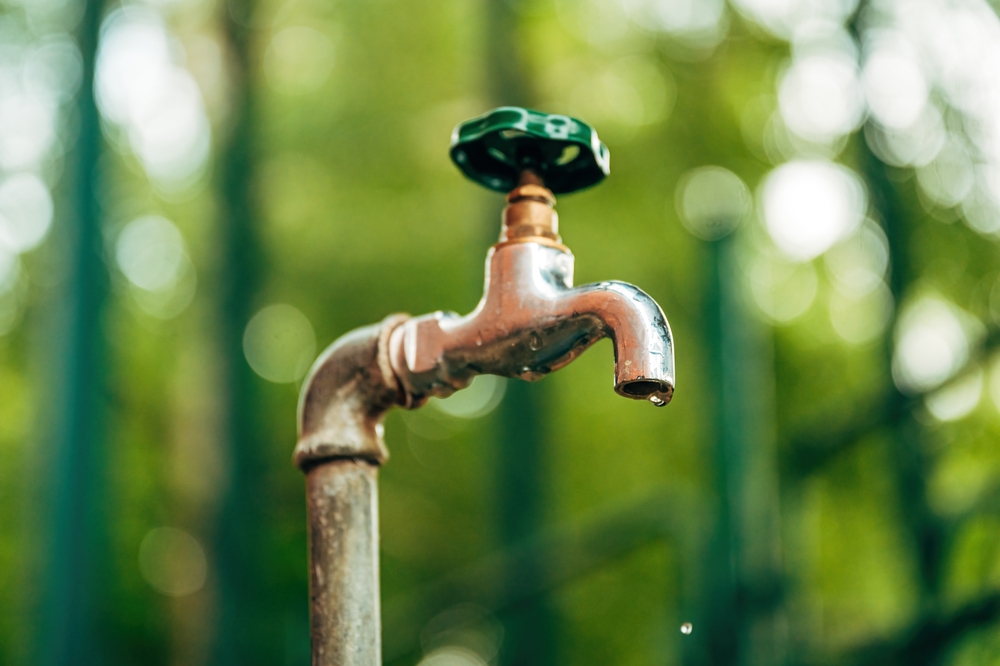
Proper drainage goes hand-in-hand with insulating your faucets and hoses. Simply covering a faucet without removing water from the pipes and hoses won’t prevent cracking. The ice that forms in stagnant water is relentless, and even insulated faucets can fail if water remains trapped inside. Drainage ensures that no water remains to expand as temperatures drop. This combination of draining and insulating is the key to keeping outdoor plumbing intact year after year.
Timing Matters For Maximum Protection
Winter-proofing your outdoor faucets isn’t just about the process—it’s about timing. Waiting until the first freeze can be too late; the pipes might already contain water that is on the verge of freezing. Experts recommend completing this step as soon as nighttime temperatures consistently dip below 40 degrees Fahrenheit. Acting early gives you a buffer and ensures that your preparation is effective before the harshest weather sets in. Taking a few minutes now can prevent hours of frustration and expensive repairs later.
Beyond Faucets: Protecting Outdoor Appliances
While faucets and hoses are the most obvious targets, other outdoor appliances benefit from winter-proofing too. Sprinkler systems, irrigation lines, and any external plumbing connections are at risk of cracking if left exposed. The same principles apply: drain, insulate, and monitor temperatures to avoid surprises. Neglecting these areas can lead to hidden leaks that only appear once the ice melts. Comprehensive preparation ensures your entire outdoor water system survives the winter unscathed.
The Long-Term Benefits Of This Simple Step
Taking the time to drain and insulate your outdoor faucets and hoses pays off in the long run. You avoid the frustration of finding cracks, leaks, or broken connections when the weather warms. Your hoses last longer, your faucets remain intact, and your spring gardening isn’t delayed by preventable plumbing issues. Beyond financial savings, this step also reduces stress and keeps your home maintenance routine manageable. It’s amazing how a small, simple action can deliver such huge returns every year.
Take Action Before Winter Hits
Protecting your outdoor faucets and hoses doesn’t have to be complicated or time-consuming, but it is easy to forget. Draining water, disconnecting hoses, and installing faucet covers are small steps that prevent major headaches and costly repairs. By acting proactively, you’re safeguarding your home against winter damage and making your spring gardening season much smoother.
Have you ever had a faucet or hose crack during winter, or do you already use these protective steps? Share your experiences, tips, or stories in the comments section below.
You May Also Like…
The Easiest Way to Keep Young Trees Safe from Winter Winds
10 Garden Tools You Didn’t Know You Already Own
How to Build a Compost Bin Outdoors in 5 Simple Steps
The Cover Crop That Revives Dead Soil Over Winter
12 Crops That Need Extra Watering Before Frost

Brandon Marcus is a staff writer for FrugalGardening.com at District Media, Inc., where he delivers practical gardening advice with a relatable, no-nonsense style. An avid amateur gardener, he holds a BA degree and with over ten years of professional writing experience, he is also an award-winning published author whose first book, Questions For Deep Thinkers, was released by Adams Media. His work has appeared in major publications including Fandom.com, CHUD.com, TheColdWire.com, and Fansided.com.
Leave a Reply