Image Source: Shutterstock.com
When winter rolls in, the world turns quiet. The buzzing bees vanish, the flowers close shop, and your once lively yard can feel like it’s gone into hibernation. But for birds, this season is anything but restful—it’s survival mode. With insects gone and greenery fading, these little foragers rely heavily on one thing to keep them going: berries. If you want to turn your backyard into the ultimate bird buffet this winter, there’s good news—you can plant your way to it.
Winter Survival: Why Berries Matter So Much
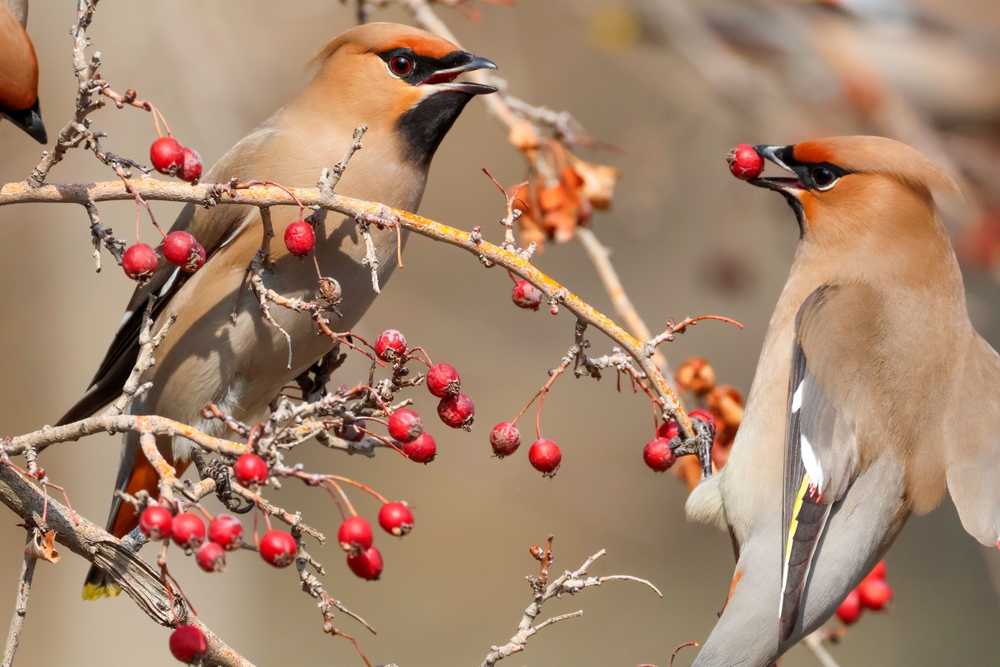
When the temperature drops and snow starts dusting every branch, berries become the lifeblood of wild birds. They’re packed with energy-rich sugars, loaded with nutrients, and—most importantly—still available when everything else disappears. Many bird species, like robins, cedar waxwings, and cardinals, rely on berries to make it through the lean months. In fact, certain plants evolve specifically to hold their fruit late into the season, making them a natural safety net for hungry wildlife. If you plant the right mix of berry-producing shrubs and trees, you’ll be offering a five-star dining experience that keeps your garden fluttering with color all year long.
Holly: The Evergreen Classic
There’s a reason holly is a winter icon—it’s one of the few plants that looks alive even when everything else looks asleep. Its glossy green leaves and bright red berries are as beautiful as they are practical. Birds like mockingbirds, thrushes, and bluebirds absolutely love holly berries. The dense foliage also doubles as prime shelter during storms and cold snaps, making it a safe haven as well as a snack bar. Just remember to plant both male and female holly plants; you’ll need both for the female to produce those signature red berries.
Winterberry: The Showstopper Shrub
If you want something that turns heads while feeding your feathered guests, winterberry is the way to go. This native holly species loses its leaves in winter, leaving behind branches covered in clusters of scarlet berries that look stunning against snow. It’s like nature’s version of Christmas lights—but edible for birds. Robins, finches, and even grouse are frequent visitors to winterberry shrubs, stripping them clean by late winter. Since winterberries thrive in wet soil and partial sunlight, they’re also perfect for those tricky spots in your yard that other plants refuse to love.
Serviceberry: A Four-Season Superstar
Serviceberries, sometimes called juneberries or shadbush, are like the overachievers of the plant world. They bloom beautifully in spring, bear fruit in summer, turn fiery red in autumn, and provide food well into winter. Birds adore their purplish-blue berries, which cling to branches even after frost hits. They’re especially popular with robins and cedar waxwings, who will happily strip a bush clean in a day if given the chance. Plus, serviceberries are gorgeous landscape additions, blending ornamental beauty with ecological purpose—what more could you ask for?
Viburnum: A Berry Buffet for Everyone
If you want to attract a wide variety of birds, viburnum is the plant to beat. These hardy shrubs offer berries in shades of blue, black, red, and sometimes even yellow, depending on the variety. Species like American cranberrybush viburnum and blackhaw viburnum are especially beloved by cardinals, waxwings, and thrushes. Their berries often last well into late winter, ensuring food is available even in the coldest months. Bonus: viburnum’s flowers also attract pollinators in spring, making it a true year-round wildlife magnet.
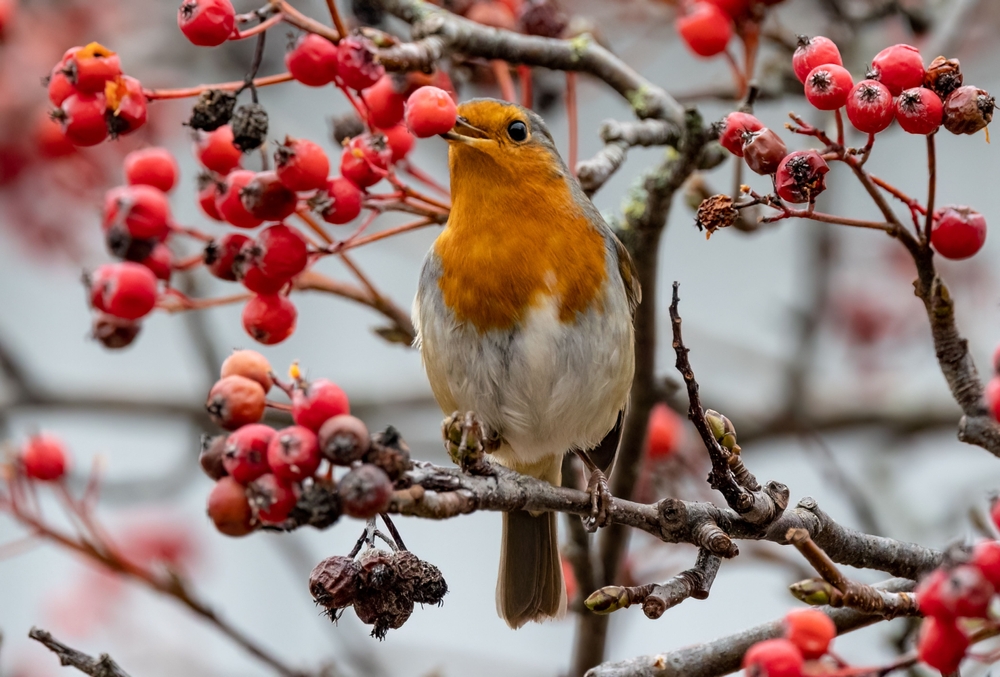
Image Source: Shutterstock.com
Chokeberry: Tart Fruit, Happy Birds
Chokeberries—both black and red—are named for their astringent taste, but don’t let that fool you. While you might pucker at the flavor, birds can’t get enough of them. These berries cling to the branches through snow and ice, providing steady nutrition when other food sources vanish. Chokeberries are also incredibly resilient, tolerating everything from soggy soil to poor drainage to bitter cold. They’re tough, low-maintenance, and give your yard a pop of winter color while supporting local wildlife—talk about multitasking!
Dogwood: A Colorful Winter Feast
Dogwoods aren’t just for springtime show-offs—they’re also major players in the winter food scene. Many varieties, especially gray dogwood and red osier dogwood, produce small white or blue berries that birds devour. The berries are high in fat, which gives birds much-needed energy to stay warm through the season. Even after the berries are gone, the bright red or coral stems add visual flair to your winter garden. It’s like having both a meal and a masterpiece right outside your window.
Crabapple Trees: Beauty with Benefits
Crabapple trees might be best known for their spring blossoms, but their real value shows up when the leaves fall. Their small fruits hang well into winter, often persisting after snow blankets the ground. Robins, cedar waxwings, and grosbeaks especially love crabapples, which provide not just nutrition but also hydration since the fruits retain moisture. The sight of a flock of birds feasting on a frosted crabapple tree is one of winter’s underrated joys. Choose a variety with persistent fruit for the best cold-weather bird action.
Hawthorn: The Spiky Sanctuary
Don’t overlook the hawthorn. This hardy, thorny tree is basically a bird fortress—and a fully stocked one at that. Its bright red berries, often called haws, ripen in late fall and can hang on through deep winter. They’re particularly loved by thrushes and waxwings, who rely on them for fuel during migration and cold snaps. Plus, those sharp thorns protect smaller birds from predators, creating a natural safe zone where they can dine in peace.
Creating a Year-Round Bird Buffet
The secret to a truly bird-friendly yard is variety. By mixing plants that fruit at different times, you ensure a steady supply of food from autumn through spring. Pair early-fruiting species like serviceberries with late-holding ones like crabapples or hawthorns, and you’ll have avian visitors all winter long. Don’t forget to add a water source, too—birds need to drink even when it’s freezing, and a heated birdbath can make your yard the go-to hangout. Before you know it, your quiet winter garden will become the liveliest place in the neighborhood.
Grow Generosity in Your Garden
Planting berry-producing trees and shrubs isn’t just about decorating your yard—it’s about building a lifeline for wildlife when they need it most. Every bright cluster of berries you grow could mean survival for a songbird or a colorful flash of life on a gray day. It’s one of the simplest, most rewarding ways to give back to nature right from your backyard. So why not grab a shovel and start your own winter bird feast?
If you’ve already created a berry-filled haven for birds, share your favorite plants and feathered guests in the comments below.
You May Also Like…
- 9 Fall Harvest Crops That Can Be Stored Without Refrigeration
- 5 Wild Edibles to Forage in October
- 8 Vines That Should Be Cut Back Before Snow
- 7 Evergreens That Add Color All Winter Long
- 9 Fruits to Harvest Before the Birds Do

Leave a Reply