There’s something oddly satisfying about slicing away the old to make room for the new—especially in the garden. If your flower beds look like a chaotic mix of dried stems, drooping leaves, and last season’s glory, it’s officially time for a little tough love. Cutting back perennials isn’t just about aesthetics; it’s how you keep your plants healthy, blooming stronger, and free of disease.
Think of it as a spa day for your garden—some plants need a good haircut to come back fresher and fuller next season. So grab your pruning shears and gloves, because these eight perennials are practically begging for a trim right now.
1. Daylilies
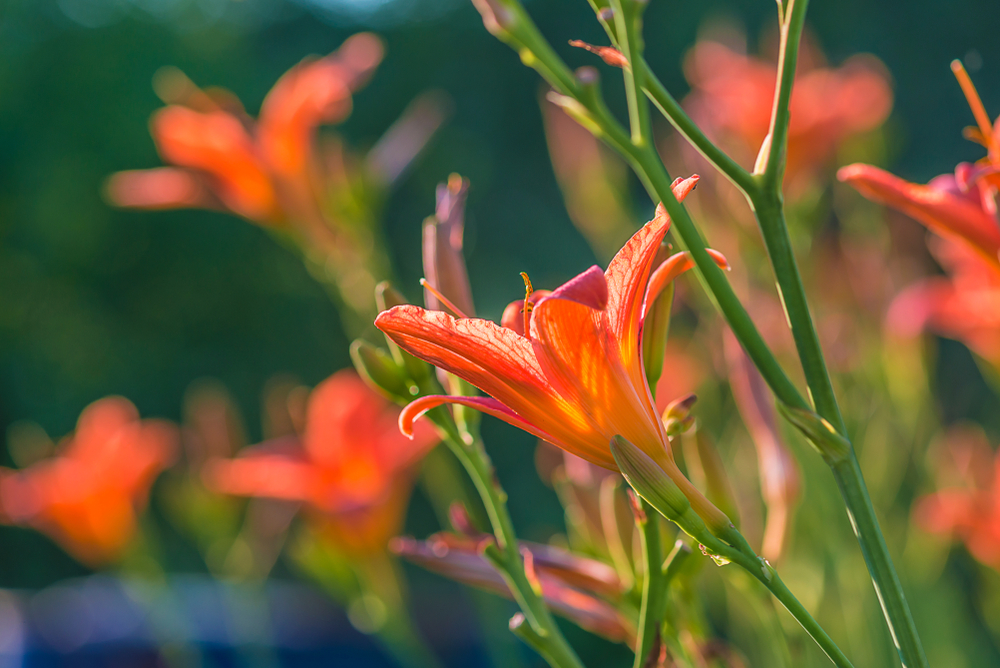
Daylilies are the drama queens of the garden—bold, beautiful, and quick to overstay their welcome once their blooms fade. As soon as those once-vibrant leaves turn yellow or brown, it’s time to cut them back to a few inches above the soil. Leaving the old foliage can invite pests and fungal diseases, so don’t be sentimental about it. Trimming now helps them redirect energy toward developing strong roots for next season. Plus, nothing makes a garden look neater faster than tidying up a messy clump of spent daylilies.
2. Hostas
Hostas are beloved for their lush, shade-loving foliage, but when those once-plump leaves start collapsing into slimy heaps, the magic is over. The moment frost hits and the leaves start to yellow, take action. Cut them down to the ground and remove all debris to prevent slugs and mold from making themselves at home. By trimming them back now, you’ll protect the crowns from rot and disease over winter. Come spring, your hostas will reward you with crisp, flawless leaves instead of sad, slug-nibbled ones.
3. Peonies
Peonies are the divas of the perennial world—they look stunning but hate sharing the spotlight with mildew and decay. Once the foliage starts turning blotchy or black, grab your shears and cut the stems down to about two inches. Don’t just leave the debris sitting around; toss it in the trash, not the compost, to stop fungal spores from spreading. This quick cleanup helps prevent common problems like botrytis blight from returning next year. Think of it as sending your peonies into winter hibernation in style—clean, tidy, and disease-free.
4. Bearded Irises
If your irises look like they’ve seen better days, that’s your cue. Once they’ve finished blooming and the foliage starts to flop, trim the leaves back to about six inches. This not only helps the plants conserve energy but also keeps iris borers—those sneaky little pests—from taking over. Removing dead foliage now also improves air circulation around the rhizomes, reducing the risk of rot. A quick snip session now means your irises will return next spring with stronger blooms and fewer unwelcome guests.
5. Bee Balm
Bee balm (also known as monarda) loves to steal the show with its bold, colorful blooms—but it’s also notorious for spreading powdery mildew like gossip. Once the flowers fade and the leaves start showing those telltale gray patches, it’s time to act. Cut the stems back to about two inches and dispose of all infected foliage to stop the mildew from overwintering. Pruning now helps the plant bounce back healthier and more vigorous in the next growing season. It’s one of those plants that rewards discipline—cut it hard, and it’ll come back even stronger.
6. Phlox
Phlox is a garden staple that gives and gives—until late in the season, when its leaves turn into mildew magnets. Once flowering ends and the stems start looking tired, grab those shears and trim them down to the base. Clearing away the old growth prevents mold, mildew, and pests from sticking around during the colder months. You’ll also be helping your plant conserve energy for root development instead of wasting it on dying foliage. Your future self will thank you when you see the bright, healthy blooms next year.
7. Catmint
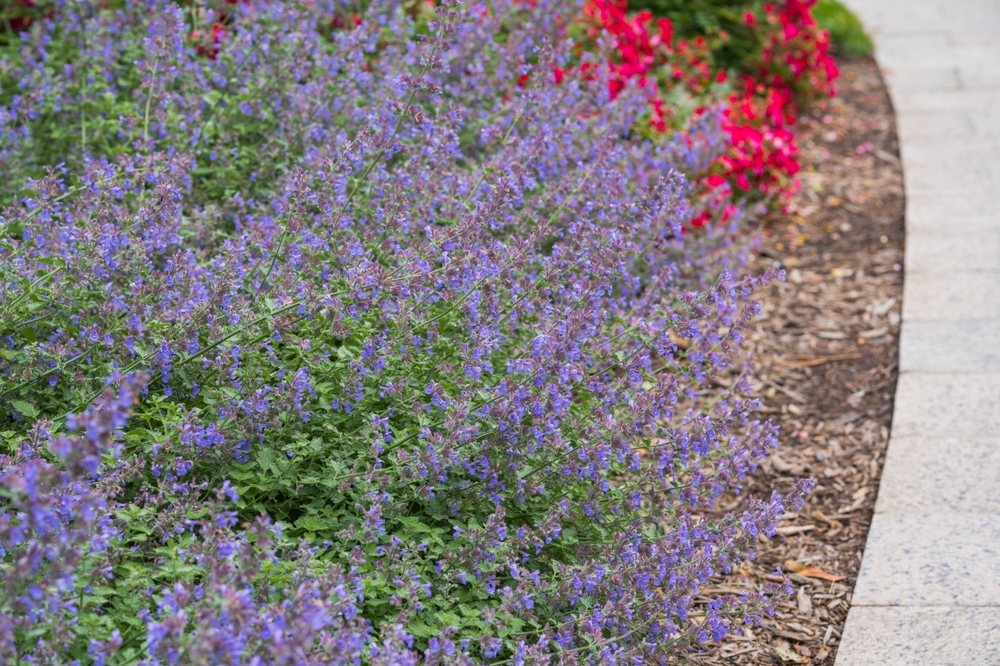
Catmint might be low-maintenance, but it’s not no-maintenance. After a long blooming season, its stems get woody, its flowers fade, and it starts looking like a fuzzy gray tangle. Cutting it back now—about a third of the way down—keeps it compact and encourages new growth. If you skip this step, catmint can sprawl into an unruly mess that takes over your garden by spring. A little fall grooming not only keeps it in check but also ensures you’ll get that soft, fragrant foliage right on schedule next year.
8. Coreopsis
Coreopsis, with its sunny daisy-like blooms, is one of the easiest perennials to grow—but it benefits hugely from a fall cleanup. Once flowering ends and the stems begin to brown, it’s time to snip them down to about three inches. Leaving old growth in place can harbor pests and diseases that’ll come back to haunt you in spring. Cutting it back also helps channel energy into root development, ensuring a stronger return next season. A few minutes of trimming now mean months of golden-yellow joy later.
Your Garden Will Thank You Later
Cutting back perennials might not be the most glamorous task, but it’s one of the smartest moves you can make for a thriving garden. These plants need a good haircut to shed old growth, fend off disease, and refocus their energy for next year’s show. Think of it as prepping the stage before the next big performance—clean, ready, and full of potential. Your future blooms will thank you for taking the time to trim, tidy, and protect them now.
Have a favorite perennial you always cut back—or one that surprised you when you didn’t? Share your stories, experiences, or garden tips in the comments below.
You May Also Like…
- How to Save Money Buying Fall Perennials
- 5 Perennials You Should Never Cut Back Now
- How to Spot Overcrowding in Perennial Beds
- Why Bees Seek Late-Blooming Flowers in Autumn
- 7 Fall Flowers That Outshine Summer Blooms

Brandon Marcus is a staff writer for FrugalGardening.com at District Media, Inc., where he delivers practical gardening advice with a relatable, no-nonsense style. An avid amateur gardener, he holds a BA degree and with over ten years of professional writing experience, he is also an award-winning published author whose first book, Questions For Deep Thinkers, was released by Adams Media. His work has appeared in major publications including Fandom.com, CHUD.com, TheColdWire.com, and Fansided.com.
Leave a Reply