
Imagine this: it’s the middle of winter, snowflakes are swirling, and you’re cozy inside, craving something fresh, earthy, and full of life. You open your pantry—or maybe your garage—and there they are, perfectly preserved root vegetables waiting for you like buried treasure. No shriveled carrots or rubbery beets in sight. Just crisp, flavorful produce that tastes as if it was pulled from the soil yesterday. That’s the magic of storing root vegetables in sand—a centuries-old trick that’s surprisingly simple, delightfully effective, and totally worth mastering this winter.
1. Carrots
Carrots are the gold standard for sand storage. When buried in slightly damp sand, they retain their sweetness and crispness for months. The sand acts as a natural humidity controller, preventing them from drying out while keeping mold and rot at bay. Trim the greens before storage, as those leafy tops can drain moisture from the root. Once packed snugly in sand, carrots can last all season long, ready to brighten soups, stews, and snacks whenever you need them.
2. Beets
Beets might look tough, but they’re surprisingly sensitive to cold and moisture fluctuations. That’s why sand storage is their best friend—it keeps the temperature steady and the roots firm. Layer them carefully in boxes or bins, covering each beet completely so none touch. When stored this way, they can easily last well into spring without losing their vibrant color or earthy flavor. Plus, you’ll love pulling out perfectly preserved beets when the rest of the world is stuck with canned goods.
3. Parsnips
Parsnips are like the sweeter, nuttier cousins of carrots, and they deserve the same care. The trick to storing them in sand is keeping the environment just moist enough to prevent shriveling but not so damp that they start to rot. Once buried, parsnips actually continue to develop their flavor, becoming even richer and sweeter over time. Some gardeners even swear that they taste better after a few months in storage. If you love winter roasts and purees, you’ll want a sand box full of these pale beauties.
4. Turnips
Turnips don’t get the love they deserve, but once you learn how easy they are to keep fresh, they’ll earn a permanent place in your pantry. These hardy roots thrive in sand storage, maintaining their crisp texture long after harvest. Make sure to brush off any soil before packing but avoid washing them—excess moisture invites trouble. Turnips prefer cool, dark storage conditions, like a basement or unheated garage. When properly stored, they’re perfect for adding bite to winter soups, stir-fries, and casseroles.
5. Rutabagas
Rutabagas might look like oversized turnips, but they’re denser, sweeter, and even more storage friendly. Sand helps lock in their moisture while keeping them cool and protected from air exposure. Cut off any greens, gently brush them clean, and layer them in a bin filled with dampened sand. They’ll reward your efforts with long-lasting flavor that’s perfect for mashing, roasting, or throwing into hearty stews. Once you experience how well rutabagas keep, you’ll never let another one shrivel in your crisper drawer again.
6. Celery Root (Celeriac)
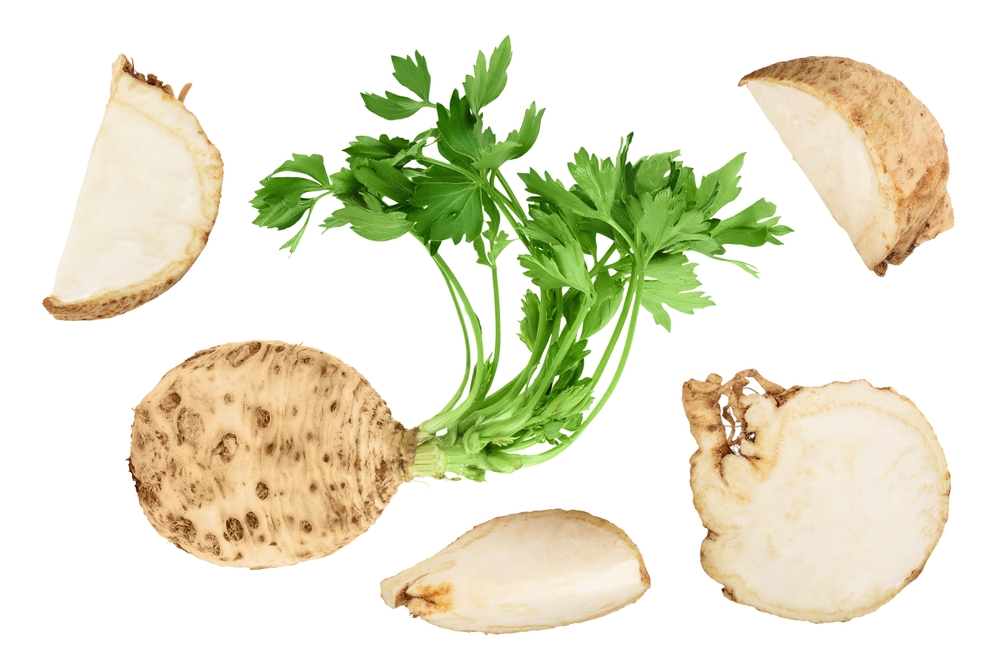
Celery root, or celeriac, may not win any beauty contests, but it’s a true winter hero in disguise. Beneath its knobby skin lies crisp, aromatic flesh that stays fresh and flavorful when packed in sand. The sand’s natural insulation keeps the roots from becoming spongy or developing off flavors. Just trim off the top leaves and let the sand do its work. When the snow piles up outside, you’ll be grateful for a stash of celeriac ready to turn into silky soups and savory gratins.
7. Radishes
While radishes are typically seen as a quick snack vegetable, certain hearty varieties like black or daikon radishes store beautifully in sand. The sand maintains their signature crunch, ensuring they don’t turn rubbery like they often do in the fridge. Store them in a cool, dark space, and you can enjoy their peppery bite well into winter. The best part is slicing into one months later and realizing it still tastes garden-fresh. It’s a small miracle that’s as satisfying as it is practical.
8. Jerusalem Artichokes
Jerusalem artichokes, also known as sunchokes, are quirky little tubers that can be tricky to store without the right method. Sand storage is ideal for them, as it keeps their delicate skins from drying out or sprouting too soon. Once tucked into a box of moist sand, they’ll stay plump and ready to use for months. Their nutty, slightly sweet flavor makes them a versatile ingredient for roasting, soups, or even raw salads. They’re a must-try for anyone looking to add variety to their winter pantry.
9. Turnip-Rooted Chervil
This lesser-known gem deserves a place on your sand storage list. Turnip-rooted chervil looks a bit like a pale, slender parsnip, but it has a uniquely delicate flavor that blends hints of parsley, carrot, and chestnut. It’s notoriously finicky to store using other methods, but sand keeps it in perfect condition—firm, aromatic, and free of decay. This root’s subtle sweetness shines in winter stews and mashed dishes, where it adds a gourmet touch. Once you’ve stored and cooked with it, you’ll wonder why it isn’t more famous.
Keep Your Roots, Keep Your Flavor
Winter doesn’t have to mean limp produce and grocery store monotony. Storing your root vegetables in sand is like giving yourself a secret garden beneath your feet—one that keeps delivering long after the harvest. It’s simple, old-fashioned, and incredibly effective, letting you enjoy crisp, homegrown flavor in the heart of winter. Whether you’re a seasoned gardener or a curious beginner, mastering this timeless trick is deeply rewarding.
Have you tried storing root vegetables in sand before? Share your tips, stories, and successes in the comments below.
You May Also Like…
How Root Vegetables Store Nutrients Differently in Autumn
10 Shrubs That Should Be Pruned Before Winter
How Frost Can Sweeten Certain Vegetables Overnight
7 Evergreens That Add Color All Winter Long
How Storing Root Crops Extends Winter Food Supplies

Brandon Marcus is a staff writer for FrugalGardening.com at District Media, Inc., where he delivers practical gardening advice with a relatable, no-nonsense style. An avid amateur gardener, he holds a BA degree and with over ten years of professional writing experience, he is also an award-winning published author whose first book, Questions For Deep Thinkers, was released by Adams Media. His work has appeared in major publications including Fandom.com, CHUD.com, TheColdWire.com, and Fansided.com.
Leave a Reply