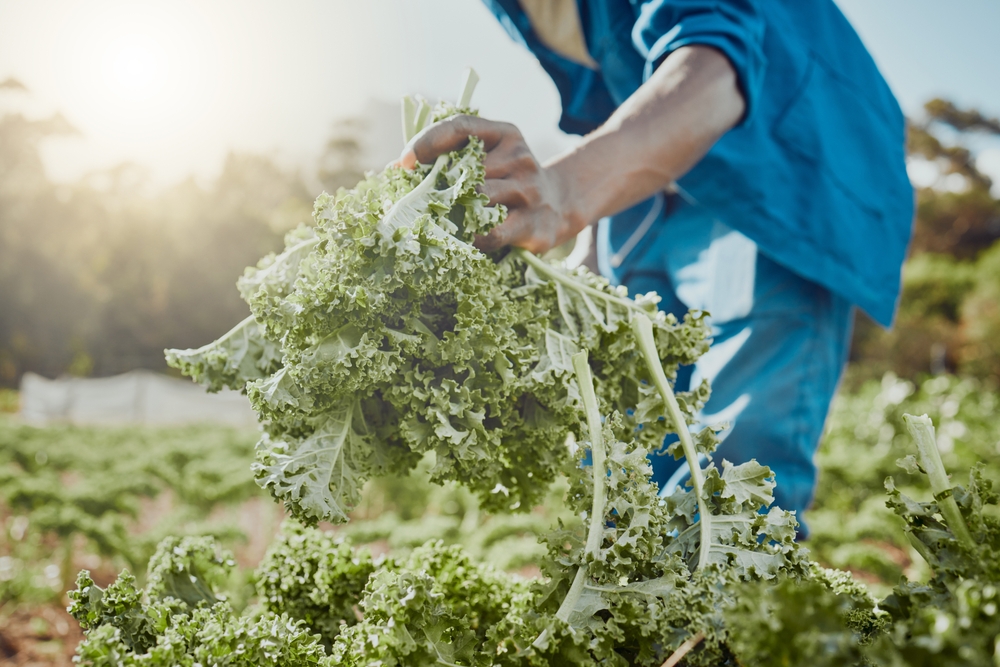
Summer’s not the only season for fresh greens—and if you think your garden’s done for the year, think again. September might bring cooler mornings and earlier sunsets, but it’s also prime time to plant hearty, frost-loving greens that thrive when temperatures drop. These resilient plants laugh in the face of chilly weather and reward you with vibrant color, crisp texture, and unbeatable flavor long after summer salads fade away.
Whether you’re a seasoned gardener or a total beginner with dirt still under your fingernails, planting now means you’ll be harvesting fresh greens when everyone else is scraping frost off their windshields.
1. Kale – The Frost-Loving Superstar
If vegetables had a fan club, kale would be the president, treasurer, and mascot all in one. This leafy powerhouse doesn’t just survive cold weather—it gets better because of it. The chill actually sweetens kale’s flavor, turning those sturdy leaves from earthy to slightly sugary perfection. It’s easy to grow, too—just give it decent soil, regular watering, and space to stretch its ruffled arms. When everything else starts drooping in the cold, kale stands tall, reminding you why it’s the ultimate green for fall gardens.
2. Spinach – The Fast-Growing Cold Champion
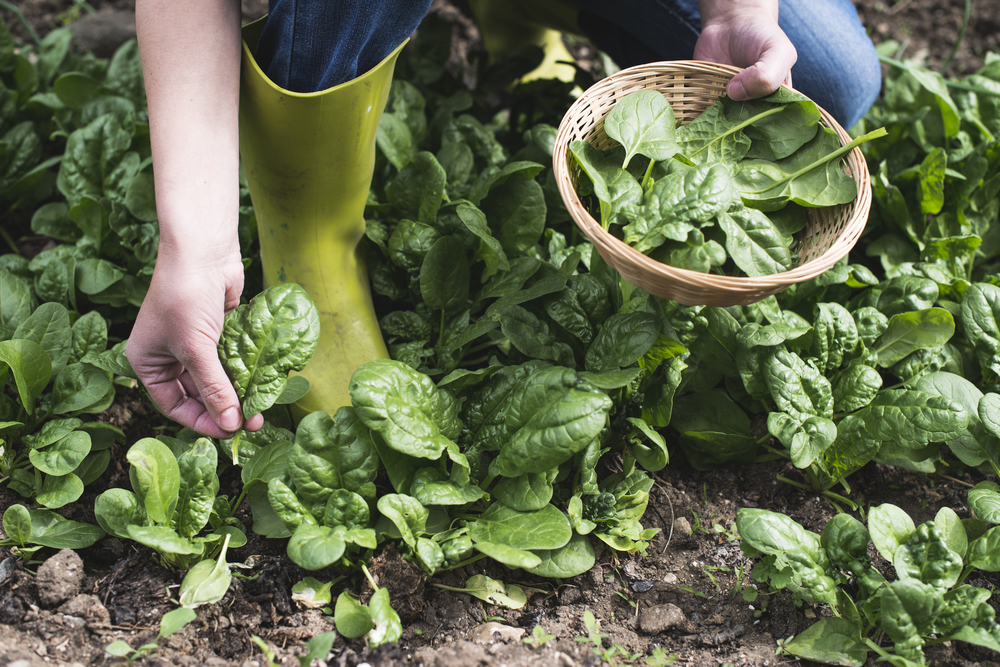
Spinach doesn’t mess around—it germinates quickly, grows fast, and keeps producing even when the mercury drops. In fact, cool weather brings out its best qualities, making the leaves more tender and flavorful. September planting ensures you’ll have baby spinach ready for picking before you’ve even finished raking your leaves. It loves partial sunlight and rich, well-drained soil, and it’s as low-maintenance as they come. Best of all, spinach doesn’t mind a light frost—think of it as nature’s way of pre-chilling your salad.
3. Arugula – The Peppery Rebel of Fall
Arugula brings personality to the garden—it’s feisty, flavorful, and refuses to quit just because it’s getting chilly outside. This fast-growing green thrives in cool temperatures, offering that sharp, peppery bite that makes every salad or sandwich taste like a gourmet creation. In fact, cooler weather tones down its bitterness, giving it a perfectly balanced flavor. You can plant it in September and start harvesting in as little as three weeks—instant gratification, garden-style. So if you want a leafy green that grows fast and tastes bold, arugula’s your rebel with a cause.
4. Swiss Chard – The Showstopper That Laughs at Frost
Swiss chard is like the rock star of the fall garden—flashy, colorful, and surprisingly tough. With stems that glow in shades of red, yellow, and pink, it adds a burst of color to any cold-weather plot. Don’t let its delicate looks fool you—chard thrives in cool temperatures and can even survive a few frosty nights. The leaves are tender and flavorful when young, perfect for sautés, soups, or salads. Plant it in September, and you’ll have vibrant greens to harvest long after other plants have called it quits.
5. Collard Greens – The Southern Comfort of Fall Gardening
Collard greens are built for chilly weather—they practically grow stronger with every cold breeze. Known for their broad, sturdy leaves and earthy flavor, collards are a staple in fall gardens across the country. A little frost actually improves their taste, softening their texture and sweetening the flavor. They grow best in full sunlight and fertile soil, but they’re surprisingly forgiving if conditions aren’t perfect. Whether you’re cooking them down Southern-style or tossing them fresh into a fall stir-fry, collard greens deliver flavor and resilience in equal measure.
6. Mustard Greens – The Spicy Underdog
Mustard greens don’t get nearly enough credit. These zesty, bold-tasting leaves thrive in cool weather, adding a sharp, peppery kick to salads, sautés, and soups. They’re lightning-fast growers—seed them in September, and you’ll be harvesting in under a month. Their slightly spicy flavor mellows after a light frost, giving you a delicious mix of warmth and freshness in every bite. If your fall garden needs a little extra attitude, mustard greens bring the heat, literally and figuratively.
7. Mâche – The Fancy Salad Secret
Also known as lamb’s lettuce or corn salad, mâche is one of the most underrated cold-weather greens out there. It has soft, spoon-shaped leaves and a mild, nutty flavor that feels almost luxurious. Mâche thrives in cool soil and can handle frost like a pro—it actually prefers chilly conditions over warmth. You can harvest it young for delicate salads or let it mature into dense, buttery rosettes. For gardeners who like to grow something a little off the beaten path, mâche is the gourmet gem of the fall garden.
8. Tatsoi – The Asian Green That Owns the Cold
Tatsoi might not be as famous as kale or spinach, but it’s a quiet powerhouse when temperatures drop. With deep green, spoon-shaped leaves and a mild, creamy flavor, it’s the perfect addition to stir-fries, soups, and salads. Tatsoi actually thrives in cold conditions, growing low to the ground and shrugging off frosty mornings like it’s no big deal. It’s quick to mature, so you can start harvesting within 25 days of planting. If you want a leafy green that’s both beautiful and practically bulletproof, tatsoi deserves a spot in your September lineup.
Fall Gardening Isn’t the End—It’s a Second Beginning
Who says gardening season ends in August? With these eight cold-tolerant greens, your backyard can stay alive, vibrant, and productive well into the colder months. Each of these plants thrives in crisp air, soaking up that late-season sunlight to deliver rich flavor and unbeatable freshness. Whether you’re in it for the taste, the challenge, or the bragging rights of harvesting salad greens in November, September planting is your secret weapon.
Have you tried growing any of these cold-hardy greens? Share your thoughts, successes, or gardening tips in the comments below.
You May Also Like…
Why Certain Plants Emit More Fragrance in Fall
9 Edible Weeds That Pop Up in September
How Late-Season Pollinators Depend on Your Garden
How Cold-Tolerant Greens Store Energy Differently
11 Plants That Self-Seed Perfectly in Fall

Brandon Marcus is a staff writer for FrugalGardening.com at District Media, Inc., where he delivers practical gardening advice with a relatable, no-nonsense style. An avid amateur gardener, he holds a BA degree and with over ten years of professional writing experience, he is also an award-winning published author whose first book, Questions For Deep Thinkers, was released by Adams Media. His work has appeared in major publications including Fandom.com, CHUD.com, TheColdWire.com, and Fansided.com.
Leave a Reply