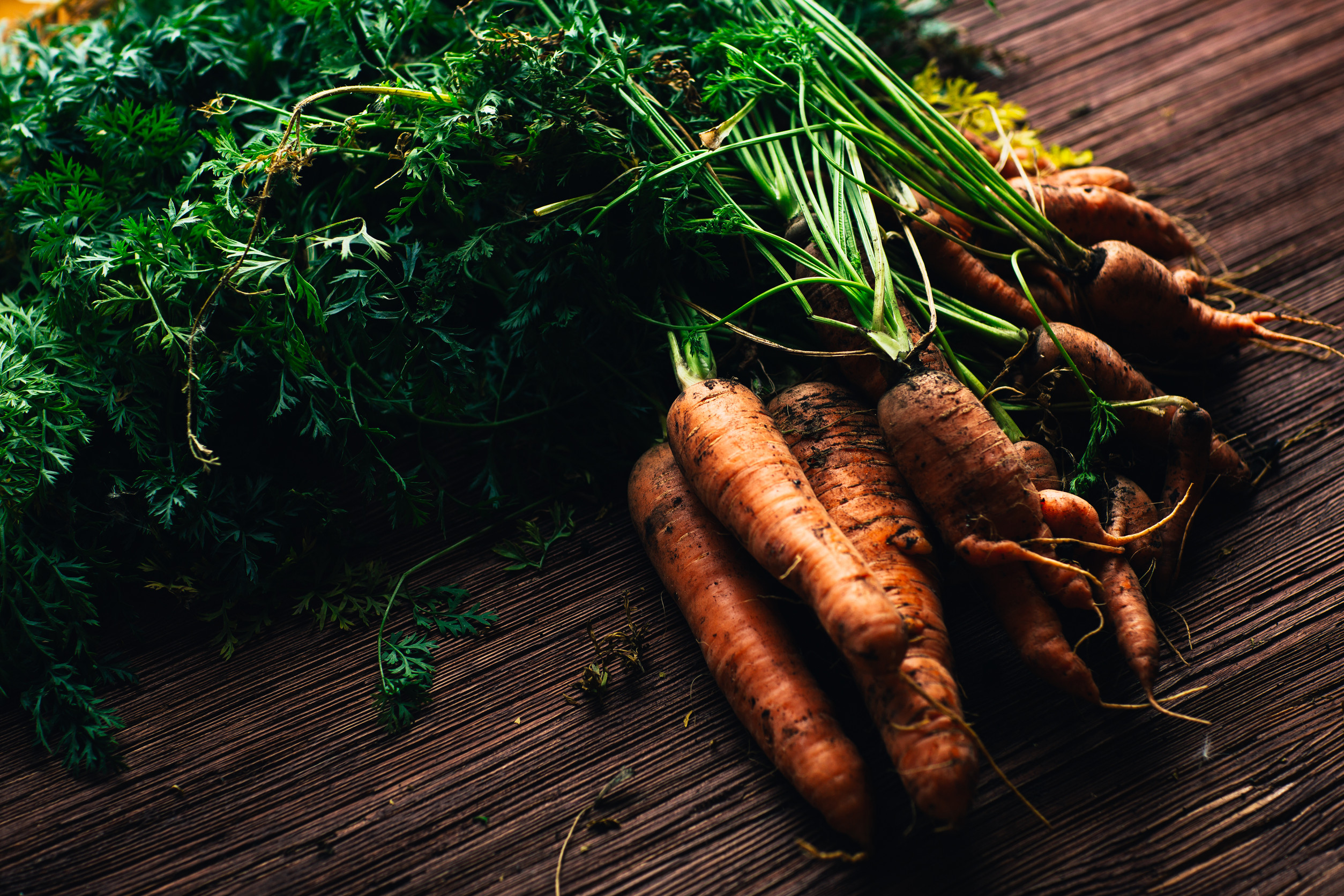
Picture this: a crisp autumn morning, your garden glistening with frost, and beneath that chilly surface—nature’s secret candy factory is hard at work. Believe it or not, some of your favorite root vegetables actually get sweeter when the temperature drops. It’s nature’s quirky chemistry trick—turning starches into sugars as a defense mechanism against the cold.
The result? A harvest that’s not just heartier, but tastier. Let’s dig (literally) into eight root vegetables that transform from earthy to naturally sweet once Jack Frost pays a visit.
1. Carrots
Carrots are the poster child for post-frost sweetness. When the cold hits, the plant converts its stored starches into sugars to prevent its cells from freezing. This chemical change makes those orange beauties taste almost candy-like—especially when roasted. Gardeners in cold regions often leave carrots in the ground longer for this very reason. In fact, pulling them after a few frosty nights gives you some of the sweetest carrots you’ll ever crunch into.
2. Parsnips
If you’ve ever wondered why parsnips taste better after winter sets in, you can thank the frost. Like carrots, they store starch during their growing season and transform it into sugar once temperatures dip. The result is a flavor that’s rich, nutty, and almost caramel-like when roasted. Many seasoned gardeners swear parsnips aren’t worth harvesting until after the first hard frost. Once they’ve been kissed by the cold, their natural sweetness intensifies, making them the star of any winter stew or mash.
3. Beets
Beets might already be sweet, but after a frost, they take it to another level. The chill triggers their sugar conversion process, making each bite even richer and more earthy-sweet. Frosted beets roast up beautifully—deep crimson and syrupy, with a flavor that’s almost dessert-worthy. Their hardy nature allows them to handle light frosts without damage, making them perfect for late fall harvests. If you’ve never tried a post-frost beet salad, you’re missing out on one of nature’s sweetest surprises.
4. Turnips
Turnips get a bad rap for being bitter, but cold weather completely changes their game. Once frost hits, their starches turn into natural sugars, transforming that sharp flavor into something mild and pleasantly sweet. Smaller, younger turnips tend to be the sweetest, especially when pulled after a few frosty mornings. Roast them, mash them, or toss them into soups—they’ll taste far less bitter than their summer-harvested cousins. Frost doesn’t just make turnips edible—it makes them crave-worthy.
5. Rutabagas
Often mistaken for oversized turnips, rutabagas are another cold-weather champion. In fact, they need a frost or two to reach peak sweetness. The lower temperatures trigger a sweet, buttery flavor that’s perfect for mashing or roasting. Without that chill, rutabagas can taste woody and bland—but after frost, they become rich and mellow. Gardeners in northern climates know that patience pays off when it comes to harvesting these golden globes.
6. Radishes
Most people think of radishes as peppery and sharp, but frost can soften their bite—literally. When exposed to cold, their starches convert to sugars, reducing bitterness and adding a subtle sweetness. The result is a milder, juicier radish that’s delicious raw or roasted. Frost-touched radishes are especially great for salads since they retain their crunch while adding a gentle, sweet undertone. It’s a total glow-up for this often-overlooked root veggie.

7. Jerusalem Artichokes (Sunchokes)
Jerusalem artichokes—also known as sunchokes—are one of the best-kept secrets of the frost-loving vegetable world. Before frost, they taste nutty and earthy; after frost, they take on a mild sweetness reminiscent of a potato crossed with a pear. This transformation happens as their inulin (a type of starch) breaks down into fructose during cold spells. Frost not only enhances their flavor but also makes them easier to digest for some people. Roast them with olive oil and herbs, and you’ll wonder why more gardeners don’t grow these underground gems.
8. Celeriac (Celery Root)
Celeriac might look like a root only a mother could love, but don’t judge it by its knobby appearance. This earthy, aromatic root vegetable becomes surprisingly sweet after a brush with frost. The cold encourages its starches to convert into sugars, rounding out its flavor and softening its texture. Post-frost celeriac is perfect for creamy soups, gratins, or mashed with potatoes for a gourmet twist. Once you taste its sweet, nutty undertone, you’ll understand why European chefs swear by this winter beauty.
Sweet Rewards of the Chill
Frost may seem like a gardener’s enemy, but for root vegetables, it’s a flavor-boosting miracle. When the cold hits, these hardy plants use their natural chemistry to stay alive—transforming starch into sugar and giving you a sweeter, richer harvest. That’s why experienced gardeners often say, “Don’t rush the frost.” The chill brings out the best in your garden’s underground treasures.
Have you noticed your root veggies tasting sweeter after a cold snap? Share your thoughts, harvest stories, or favorite frost-season recipes in the comments below.
You May Also Like…
- 10 Perennials to Divide Before the First Frost
- How to Protect Tender Perennials From Sudden Frost
- 9 Vegetables You Should Still Plant in October
- The 8 Easiest Vegetables to Grow (Even If You’ve Killed Every Plant Before)
- 5 Fall Planting Mistakes That Kill Your Harvest

Brandon Marcus is a staff writer for FrugalGardening.com at District Media, Inc., where he delivers practical gardening advice with a relatable, no-nonsense style. An avid amateur gardener, he holds a BA degree and with over ten years of professional writing experience, he is also an award-winning published author whose first book, Questions For Deep Thinkers, was released by Adams Media. His work has appeared in major publications including Fandom.com, CHUD.com, TheColdWire.com, and Fansided.com.
Leave a Reply