• Skip to primary navigation
  • Skip to main content
  • Skip to primary sidebar

Frugal Gardening

Simple ways to save money while you garden

  • About
  • Contact Us
  • Garden Frugally
  • Buy These
  • Our Editorial Commitment
  • Navigation Menu: Social Icons

    • Facebook
    • Pinterest
    • Twitter

7 Innocent-Looking Plants That Are Banned in Some States

July 22, 2025 by Teri Monroe Leave a Comment

plants that are banned in some states
Image Source: Pexels

Not all plants are innocent. They might look beautiful in your garden or harmless on a windowsill, but some plants are far more dangerous than they appear. Certain species are banned in U.S. states due to their ability to spread aggressively and cause ecological damage. They may even pose risks to pets and humans. Before you plant anything new, make sure it’s not on your state’s restricted list. Here are 7 plants that are banned or regulated in some states.

1. Purple Loosestrife (Lythrum salicaria)

With its tall spikes of purple flowers, this wetland plant looks striking. But don’t be fooled, it’s a fast-spreading invasive species. It chokes out native vegetation and disrupts ecosystems. It’s banned in states like Minnesota, Massachusetts, and Connecticut.

2. Norway Maple (Acer platanoides)

This common shade tree may seem like a great addition to your yard, but it’s invasive in several Northeastern states. Different than sugar maples, Norway maples have a thick white sap. Norway maples are a problem because they outcompete native trees and create dense shade that kills understory plants. Bans or restrictions exist in states like Massachusetts.

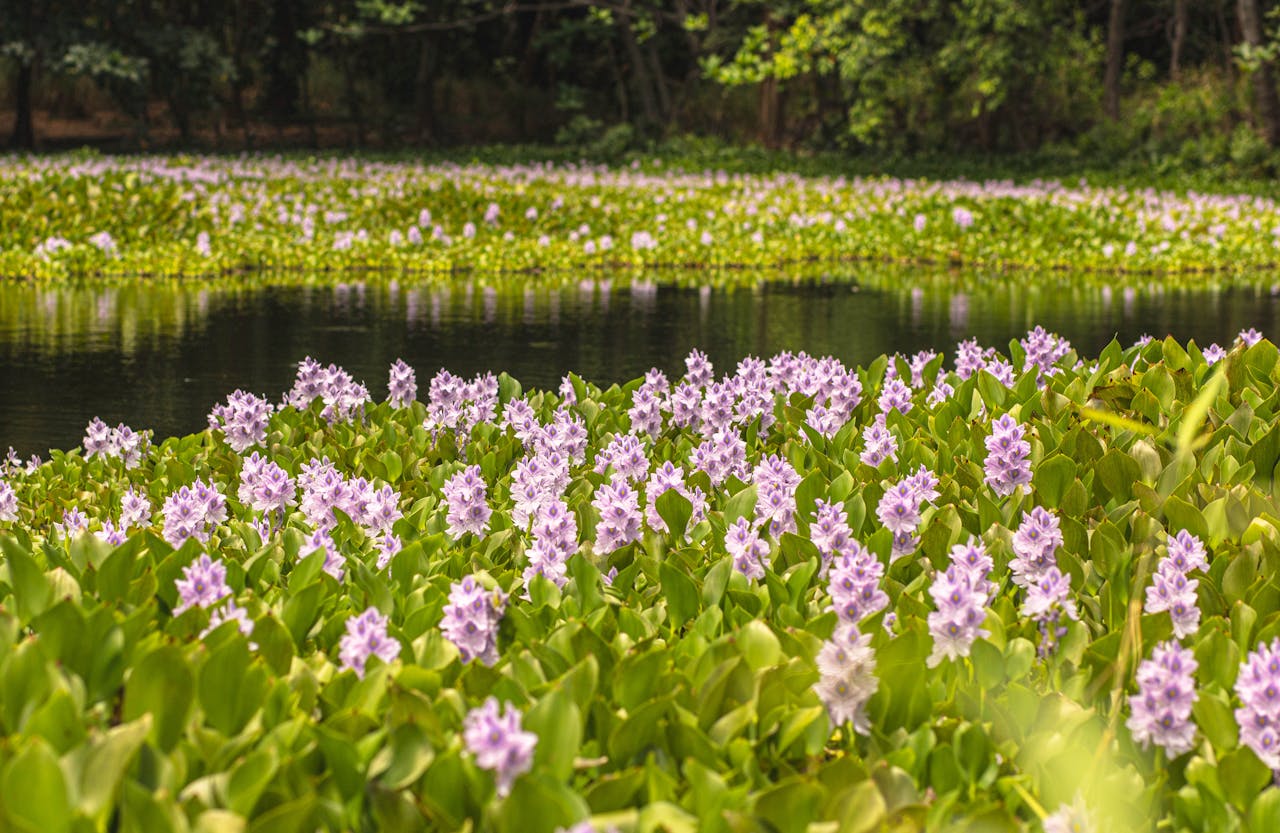
3. Water Hyacinth (Eichhornia crassipes)

Often seen in ponds or water gardens, this floating plant multiplies rapidly and clogs waterways. This makes it dangerous for navigating waters by boat. It also prevents oxygen from reaching fish and native aquatic plants. It’s banned or regulated in 24 states.

4. Barberry (Berberis thunbergii)

Japanese Barberry is an ornamental shrub. It’s popular in landscaping for its vibrant foliage, but it spreads into forests and creates ideal conditions for ticks. The shrub takes over and disrupts native ecosystems with its dense, prickly thickets. Some states like Pennsylvania, Maine, and New York have begun restricting or banning their sale.

5. Giant Hogweed (Heracleum mantegazzianum)

Giant Hogweed looks like a huge version of Queen Anne’s lace, but don’t touch it. Its sap can cause severe burns and even blindness. It’s a public safety hazard and is a federally listed noxious weed. Additionally, it is banned in many states, including New York, Michigan, and Oregon.

6. English Ivy (Hedera helix)

This classic groundcover looks elegant on walls and fences, but it’s invasive in many regions. It damages trees, making them more susceptible to falling. Plus, it outcompetes native species and increases fire risk. It’s banned or discouraged in states like Oregon and Washington.

7. Wisteria (Wisteria sinensis)

Although it creates stunning cascades of purple blooms, Chinese and Japanese Wisteria grow aggressively and strangle trees. In Connecticut, both Japanese and Chinese wisteria are prohibited from sale. Many other states regulate Wisteria as well, including Wisconsin and Maryland.

Know Before You Grow

Just because a plant is available at a nursery doesn’t mean it’s safe or legal to plant in your area. Always check your state’s invasive species list or local agricultural extension office before adding something new to your yard. That harmless beauty could come with serious consequences to local ecosystems and even your health.

Read More

10 Best Budget Small Garden Ideas You Need To See

10 Of The Best Places To Buy Cheap Gardening Supplies

Photograph of Teri Monroe
Teri Monroe

Teri Monroe started her career in communications working for local government and nonprofits. Today, she is a freelance finance and lifestyle writer and small business owner. In her spare time, she loves golfing with her husband, taking her dog Milo on long walks, and playing pickleball with friends.

Filed Under: garden tips Tagged With: banned plants, illegal plants, plant restrictions

Previous Post: « 10 Best Budget Small Garden Ideas You Need To See
Next Post: Top 13 Benefits of Using Rice Hulls in Gardening »

Reader Interactions

Leave a Reply Cancel reply

Your email address will not be published. Required fields are marked *

Primary Sidebar

Struggling to get your garden off the ground? Put those days behind you with our special starter kit – perfect for thrifty green thumbs everywhere. Get growing and add a splash of color today!

Popular Posts

  • usda free seeds websiteHow To Get Free Seeds From The Government by Amanda Blankenship Seeds might seem like a small expense, but any seasoned…
  • Enviro Ice On PlantsShould I Use Enviro Ice On My Plants? by Kathryn Vercillo Every week, I receive food from Hungryroot. It's a great…
  • is shredded paper good for the gardenFrom Trash to Treasure: Transform Shredded Paper Into Garden Gold by Amanda Blankenship Should you use shredded paper as garden mulch? It might…
  • Enviro IceWhat Happens to Plants If You Use Enviro Ice on Them? by Amanda Blankenship About a year ago, I wrote our first article about…
The Backyard Lifestyle Trend That’s Replacing Expensive Vacations

The Backyard Lifestyle Trend That’s Replacing Expensive Vacations

Forget airport lines, packed suitcases, and overpriced hotel snacks. A growing number of homeowners are turning their attention to something much closer to home: the backyard. This shift is not about giving up on relaxation but about rethinking where it actually happens. A simple outdoor space can now feel like a private getaway without the…

Read More

7 Things That Secretly Stress Tomato Plants

7 Things That Secretly Stress Tomato Plants

Tomato plants have a reputation for being garden favorites, but they can be surprisingly dramatic behind the scenes. One day they look lush and green, and the next they start dropping leaves or refusing to set fruit. The tricky part is that the real problems often hide in plain sight, blending into normal garden routines….

Read More

Why Native Wildflower Gardens Are Suddenly Everywhere

Why Native Wildflower Gardens Are Suddenly Everywhere

Native wildflower gardens are popping up in front yards, side strips, and even once-plain suburban lawns at a surprising pace. Bright bursts of coneflowers, black-eyed Susans, and milkweed are replacing neatly clipped turf in places that used to look identical from house to house. This shift is not just about aesthetics because it connects deeply…

Read More

Why More People Are Turning Tiny Yards Into Productive Gardens

Why More People Are Turning Tiny Yards Into Productive Gardens

Tiny yards used to sit quietly in the background, trimmed and unused beyond a bit of grass and maybe a lonely chair. Now they are transforming into lively, productive spaces filled with herbs, vegetables, and even fruiting plants. This shift is not just about gardening trends but about rethinking what outdoor space can actually do….

Read More

  • About
  • Contact Us
  • Garden Frugally
  • Buy These
  • Our Editorial Commitment
  • Navigation Menu: Social Icons

    • Facebook
    • Pinterest
    • Twitter
  • Facebook
  • Pinterest
  • Twitter

Copyright © 2026 · Foodie Pro & The Genesis Framework