• Skip to primary navigation
  • Skip to main content
  • Skip to primary sidebar

Frugal Gardening

Simple ways to save money while you garden

  • About
  • Contact Us
  • Garden Frugally
  • Buy These
  • Our Editorial Commitment
  • Navigation Menu: Social Icons

    • Facebook
    • Pinterest
    • Twitter

7 Reasons Why You Should Stop Using Pesticides in Your Garden

April 9, 2025 by Tamila McDonald Leave a Comment

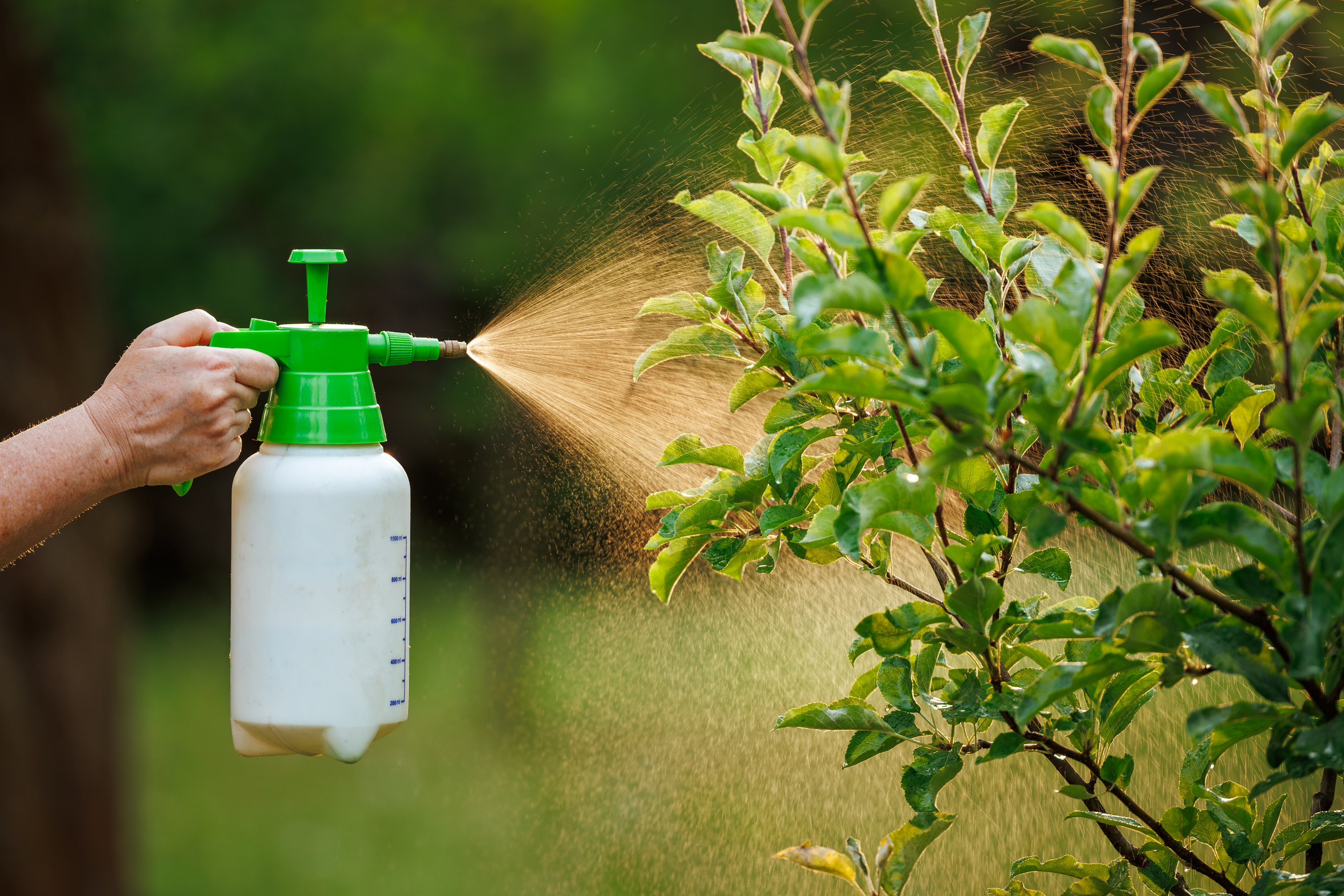
Spraying tree with insecticide against pests and diseases in the garden using spray bottle
Image Source: 123rf.com

Pesticides might seem like an effective solution for keeping pests away, but their use comes with consequences that extend beyond your garden. Many gardeners are turning to alternative methods as they recognize the long-term harm these chemicals can cause. Here are seven compelling reasons why you should stop using pesticides in your garden and embrace more sustainable practices.

1. Pesticides Harm Pollinators

Bees, butterflies, and other pollinators are essential for the health of your garden and the wider ecosystem. Unfortunately, pesticides can disrupt or even destroy local pollinator populations. These chemicals often target more than just pests, inadvertently harming the very creatures responsible for pollinating your fruits, flowers, and vegetables.

2. They Contaminate the Soil

Pesticides can leach into the soil, altering its natural composition and killing beneficial microorganisms. Healthy soil is teeming with life that supports plant growth, but these chemicals disrupt this balance. Over time, pesticide use can degrade soil quality, making it harder for plants to thrive.

3. Pesticides Threaten Wildlife

Birds, amphibians, and small mammals that frequent gardens are also at risk from pesticide exposure. Consuming poisoned insects or plants can harm or even kill wildlife, upsetting the delicate balance of your local ecosystem. Avoiding pesticides helps preserve the biodiversity around your garden.

4. They Can Endanger Human Health

Prolonged exposure to pesticides—through inhalation, ingestion, or skin contact—can lead to health risks for you and your family. Studies have linked certain pesticides to respiratory issues, hormone disruption, and even cancer. Eliminating their use creates a safer environment for everyone.

5. Pests Develop Resistance
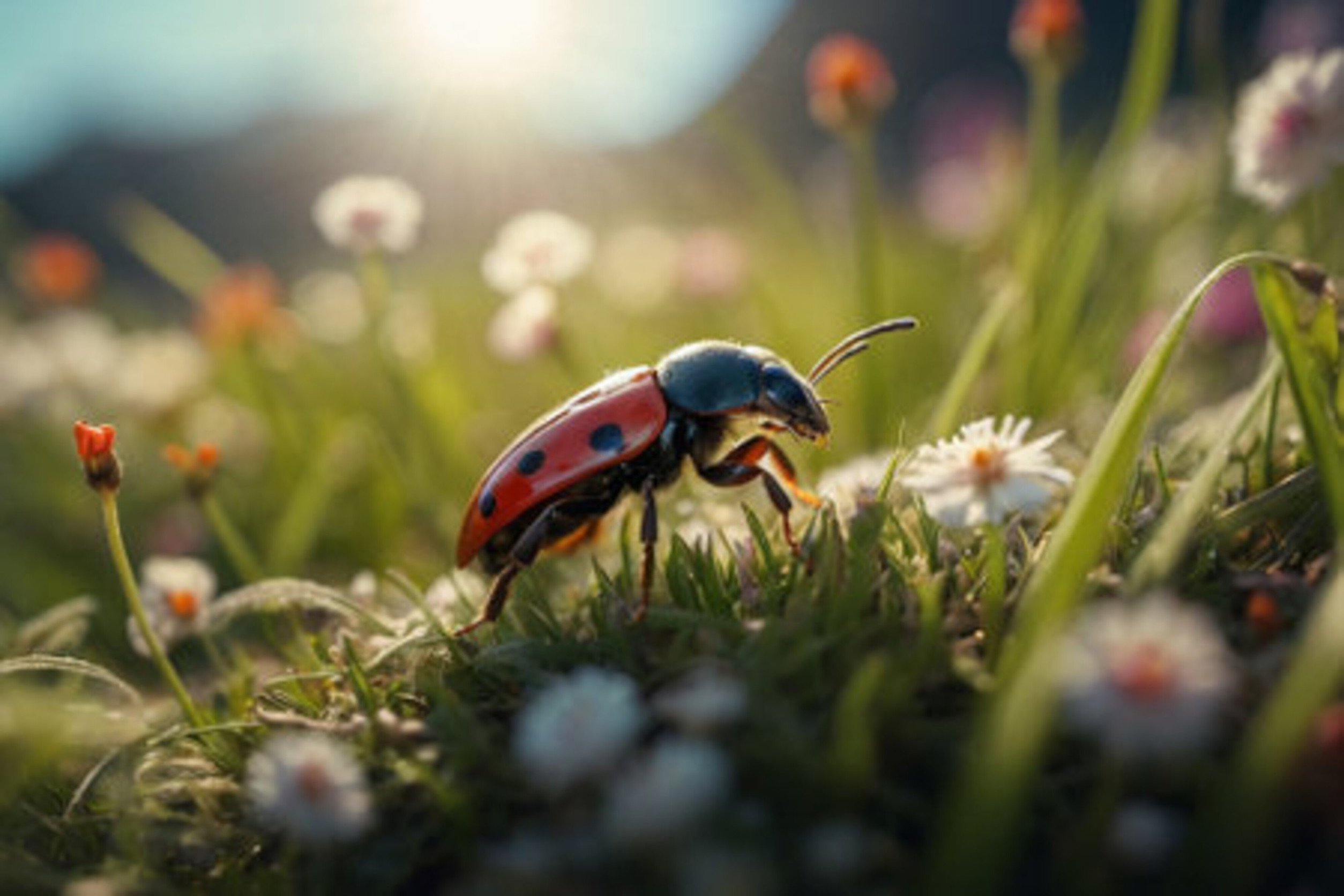
ladybug on the grass in the meadow at sunset.
Image Source: 123rf.com

Over time, many pests adapt and develop resistance to pesticides, rendering the chemicals ineffective. This can create a cycle of heavier chemical use, leading to more harm without addressing the root cause of pest issues. Integrated pest management and natural solutions are more sustainable and effective.

6. They Contribute to Water Contamination

Rain or irrigation can wash pesticides off your garden and into nearby water sources. These chemicals can contaminate rivers, lakes, and groundwater, affecting aquatic life and potentially making their way into drinking water supplies. Reducing pesticide use helps protect waterways and aquatic ecosystems.

7. Natural Alternatives Are Just as Effective

From companion planting to introducing beneficial insects, there are countless natural methods for pest control that don’t compromise the health of your garden or environment. Exploring these alternatives not only reduces harm but can also create a more balanced and self-sustaining ecosystem in your garden.

Garden Smarter, Not Harder

The risks associated with pesticides far outweigh their perceived benefits. By ditching chemical solutions, you can create a thriving, eco-friendly garden that supports pollinators, wildlife, and the health of your family. Let’s make gardening a force for good, starting with what we choose to leave out.

Have you considered the unseen consequences of using pesticides in your garden, and what steps could you take today to create a safer, eco-friendly space?

Read More:

6 Ways Your Garden May Be Breaking the Law Without You Knowing

10 Common Garden Plants That Are Actually Invasive Species

Photograph of Tamila McDonald
Tamila McDonald

Tamila McDonald is a U.S. Army veteran with 20 years of service, including five years as a military financial advisor. After retiring from the Army, she spent eight years as an AFCPE-certified personal financial advisor for wounded warriors and their families. Now she writes about personal finance and benefits programs for numerous financial websites.

Filed Under: Uncategorized

Previous Post: « 5 Gardening Practices That Are Harming the Environment
Next Post: 4 Reasons to Rethink Planting Non-Native Flowers in Your Yard »

Reader Interactions

Leave a Reply Cancel reply

Your email address will not be published. Required fields are marked *

Primary Sidebar

Struggling to get your garden off the ground? Put those days behind you with our special starter kit – perfect for thrifty green thumbs everywhere. Get growing and add a splash of color today!

Popular Posts

  • usda free seeds websiteHow To Get Free Seeds From The Government by Amanda Blankenship Seeds might seem like a small expense, but any seasoned…
  • Enviro Ice On PlantsShould I Use Enviro Ice On My Plants? by Kathryn Vercillo Every week, I receive food from Hungryroot. It's a great…
  • is shredded paper good for the gardenFrom Trash to Treasure: Transform Shredded Paper Into Garden Gold by Amanda Blankenship Should you use shredded paper as garden mulch? It might…
  • Enviro IceWhat Happens to Plants If You Use Enviro Ice on Them? by Amanda Blankenship About a year ago, I wrote our first article about…
9 Gardening Mistakes That Attract Mosquitoes to Your Yard

9 Gardening Mistakes That Attract Mosquitoes to Your Yard

A peaceful backyard can turn uncomfortable fast when mosquitoes move in and take over every evening gathering. Many gardeners focus on flowers, mulch, and décor while accidentally creating the perfect breeding conditions for biting insects. Small habits and overlooked details often invite mosquitoes without any obvious warning signs. The good news comes from simple corrections…

Read More

Why Overwatering Is More Dangerous Than Underwatering

Why Overwatering Is More Dangerous Than Underwatering

Gardening success often depends on one deceptively simple habit: watering correctly. Many gardeners assume extra water always helps plants, but that belief causes more damage than dry soil ever could. Overwatering suffocates roots, disrupts soil balance, and creates the perfect storm for plant decline. Plants rely on oxygen as much as they rely on moisture,…

Read More

7 Foods You Should Grow Instead of Buying This Year

7 Foods You Should Grow Instead of Buying This Year

Fresh food always tastes better when it comes straight from the soil, and a home garden brings that experience right to the doorstep. Grocery prices keep climbing, yet many everyday foods grow easily in small spaces like patios, balconies, or backyard beds. A few simple plants can cut weekly produce bills while delivering richer flavor…

Read More

8 Plants That Secretly Make Your Backyard Feel 10 Degrees Cooler

8 Plants That Secretly Make Your Backyard Feel 10 Degrees Cooler

Summer heat can turn even the nicest backyard into a place nobody wants to spend time. Patios bake in the sun, grass dries out, and outdoor gatherings often end with everyone searching for the nearest patch of shade. Fortunately, nature offers a surprisingly effective solution that looks great while helping lower temperatures around the yard….

Read More

  • About
  • Contact Us
  • Garden Frugally
  • Buy These
  • Our Editorial Commitment
  • Navigation Menu: Social Icons

    • Facebook
    • Pinterest
    • Twitter
  • Facebook
  • Pinterest
  • Twitter

Copyright © 2026 · Foodie Pro & The Genesis Framework