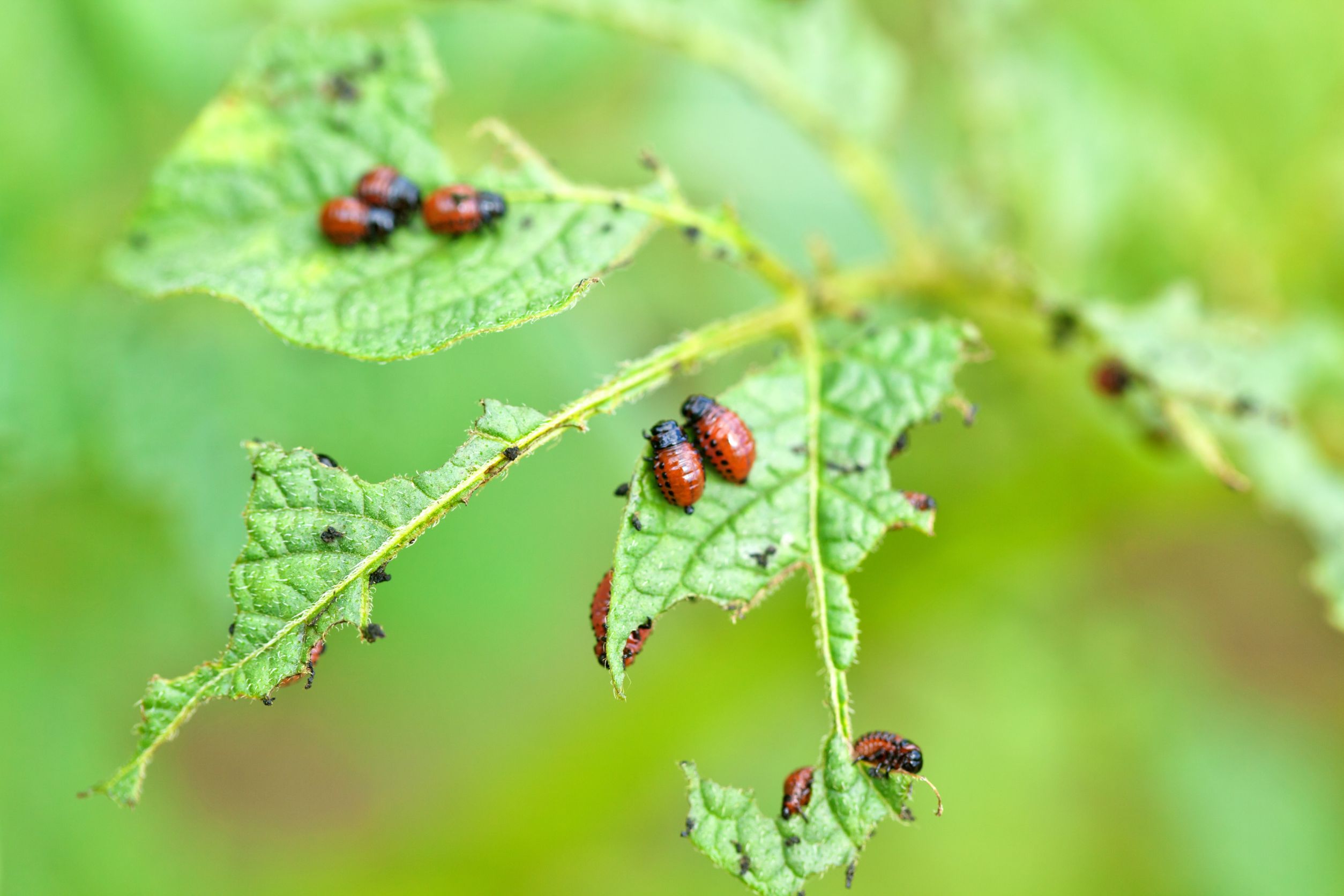
Are you tired of those pesky critters munching on your plants? It’s time to ditch the harmful chemicals and embrace organic pest control for your garden vegetables. Not only will you be saving the environment, but you’ll also be growing healthier, tastier veggies. So, let’s dive into six trendy and effective organic pest control methods that’ll keep your garden thriving!
1. Introduce Beneficial Insects as Organic Pest Control for Garden Vegetables
Not all bugs are bad! Ladybugs, lacewings, and parasitic wasps are natural predators that keep aphids, caterpillars, and other pests in check. Plant flowers like dill, fennel, and marigolds to attract these helpful insects to your garden. You can also buy live ladybugs and release them in the early morning or late evening when temperatures are cooler. The key is to create a balanced ecosystem where good bugs thrive, and bad bugs don’t stand a chance.
2. Use Companion Planting
Companion planting is a smart and natural way to deter pests while promoting plant growth. For example, basil repels mosquitoes and tomato hornworms, making it a great companion for tomatoes. Garlic and onions can keep aphids and Japanese beetles at bay when planted near leafy greens. Nasturtiums act as a trap crop, drawing pests away from valuable vegetables. By strategically pairing plants, you can naturally reduce the need for pesticides while boosting your harvest.
3. Apply DIY Organic Sprays
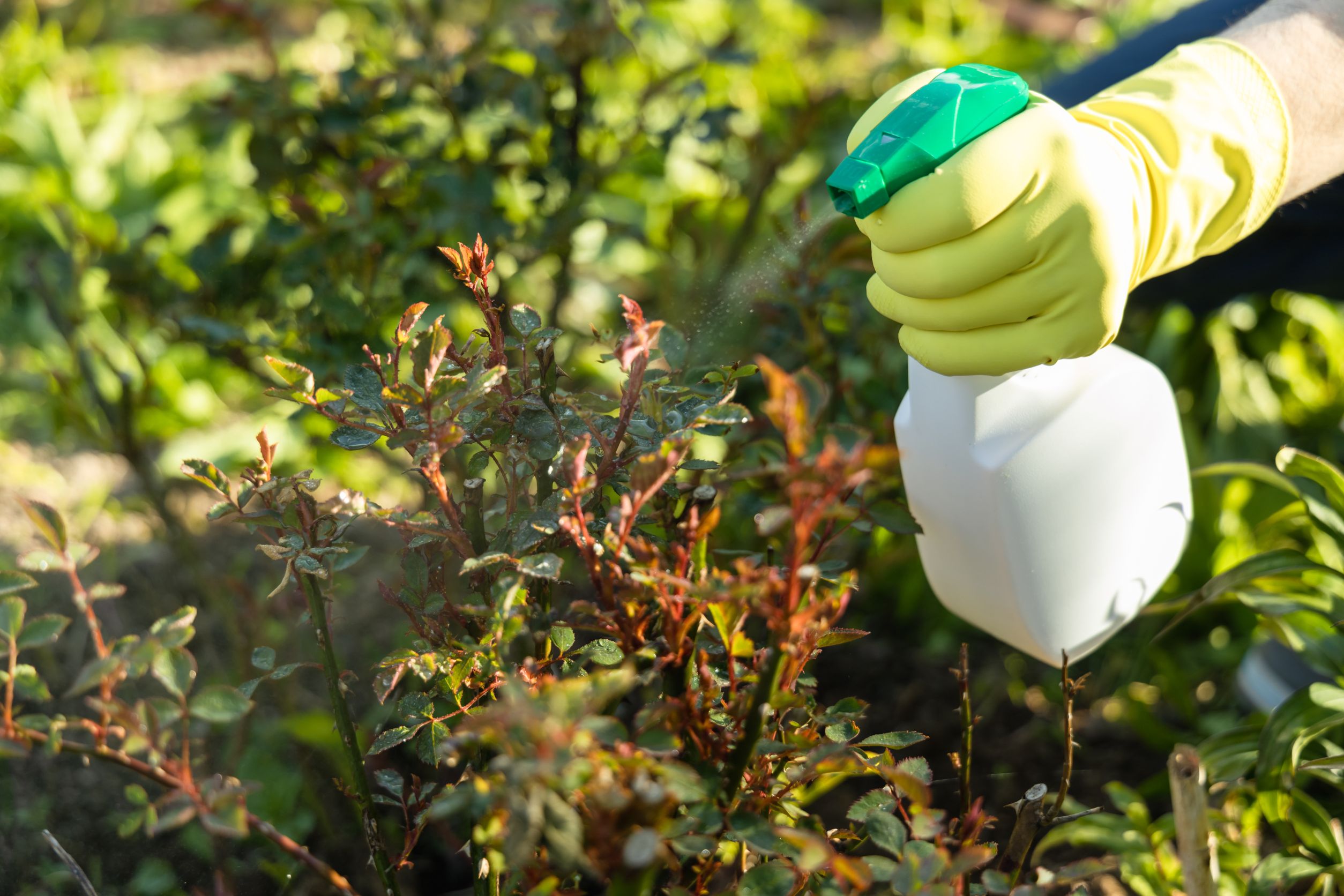
Homemade pest control sprays can be just as effective as store-bought options without the harmful chemicals. A simple neem oil spray works wonders against aphids, mites, and caterpillars. Mix a few drops of neem oil with water and a small amount of liquid soap, then spray it on affected plants. Another option is a garlic and chili pepper spray, which repels insects with its strong scent. Always test sprays on a small area first to ensure they don’t harm your plants.
4. Set Up Physical Barriers
Physical barriers can prevent pests from reaching your plants without the use of chemicals. Floating row covers protect crops from insects while allowing air, light, and water to pass through. Copper tape around raised beds can deter slugs and snails, as they dislike crawling over it. Netting keeps cabbage worms off brassicas, while collars around seedlings prevent cutworms from attacking young plants. By creating obstacles, you stop pests in their tracks before they can do damage.
5. Keep Your Garden Clean With Organic Pest Control for Garden Vegetables
A tidy garden is a healthier garden, especially when it comes to pest control. Remove dead leaves, weeds, and rotting fruit to eliminate hiding spots for insects. Rotate crops each season to prevent soil-borne pests from establishing a permanent home. Mulch with straw or wood chips to suppress weeds and discourage pests like squash bugs. Regularly inspect plants for signs of infestations so you can act before the problem gets out of hand. Good housekeeping goes a long way in keeping pests away naturally.
6. Attract Natural Predators
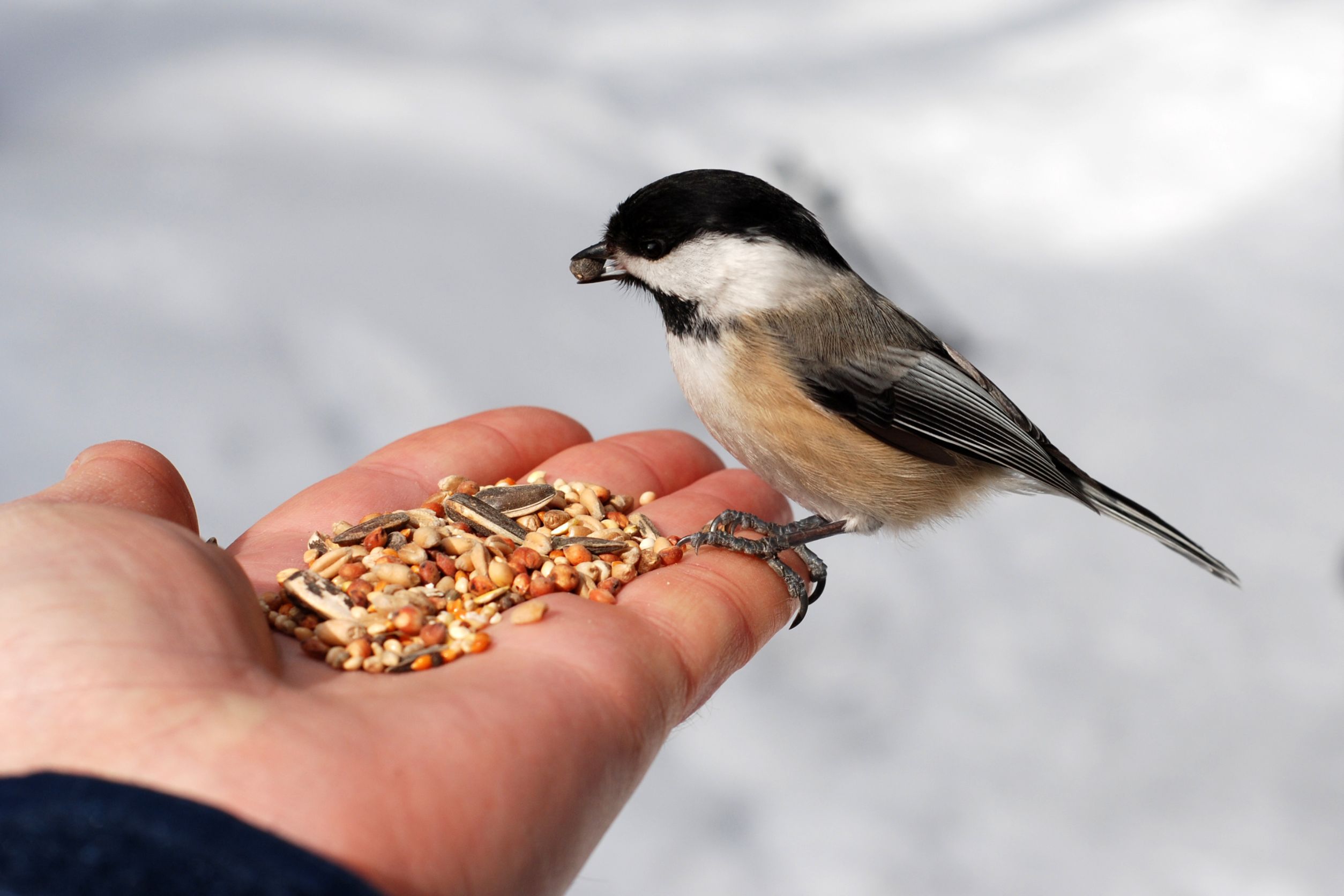
Encouraging birds, frogs, and toads to visit your garden can drastically reduce pest populations. Install bird feeders and birdbaths to attract bug-eating species like wrens and chickadees. A small pond or rock pile provides shelter for toads, which feast on slugs and beetles. Even bats play a role in organic pest control, devouring mosquitoes and moths that harm crops. By making your garden wildlife-friendly, you let nature do the hard work for you.
Making the Switch to Organic Pest Control for Garden Vegetables
In conclusion, organic pest control for garden vegetables is a safer, more sustainable, and more effective way to manage pests in your garden. With the right technique, you can create a comprehensive pest management strategy that keeps your garden healthy and thriving. Remember, organic pest control is all about working in harmony with nature to create a balanced ecosystem that promotes healthy plant growth. So why not make the switch to organic pest control today and start enjoying the many benefits of a chemical-free garden?

Vanessa Bermudez is a content writer with over eight years of experience crafting compelling content across a diverse range of niches. Throughout her career, she has tackled an array of subjects, from technology and finance to entertainment and lifestyle. In her spare time, she enjoys spending time with her husband and two kids. She’s also a proud fur mom to four gentle giant dogs.
Leave a Reply