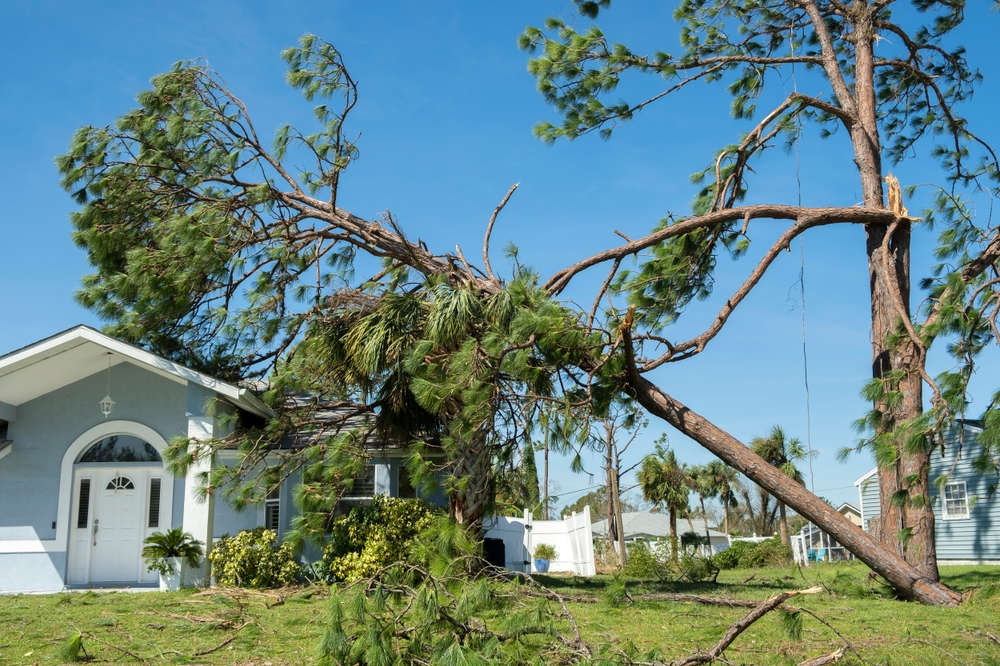
Your neighbor’s beautiful oak tree might be costing you hundreds or even thousands of dollars, and you may not realize it until the damage is already done. Its roots are lifting your patio, branches are scraping your roof, and fallen limbs are destroying plants you’ve spent years growing.
Naturally, you assume your neighbor should pay for the damage because the tree belongs to them.
But property laws don’t always work that way. When it comes to a neighbor’s tree damage, determining who’s financially responsible can depend on where the tree grows, whether the owner knew it was dangerous, and what type of damage occurred. Before paying for expensive repairs or starting a dispute with the person next door, here’s what homeowners should understand about tree-related property damage and their legal options.
A Fallen Tree Doesn’t Automatically Make Your Neighbor Responsible
Imagine a healthy tree falling across your fence during a powerful thunderstorm and causing $2,000 in damage. Although the tree originated on your neighbor’s property, that doesn’t necessarily mean they’re legally responsible for your repairs. In many states, a tree owner generally isn’t liable when an apparently healthy tree falls because of an unforeseeable weather event. Instead, your own homeowners insurance may cover certain resulting damage, depending on your policy, deductible, and the type of property affected. The key distinction in many neighbors’ tree damage disputes is whether the owner failed to exercise reasonable care when there were recognizable signs of danger.
A Dead or Dangerous Tree Can Change Who Pays
The situation becomes more complicated when a neighbor knows a tree is rotting, leaning dangerously, or showing signs of structural failure. Property owners may be held responsible for damage when they negligently ignore a hazardous tree that they knew or reasonably should have known posed a risk. However, liability standards vary by state, and a tree that looks unhealthy isn’t automatically proof of legal negligence. If you notice large dead limbs, significant trunk decay, or other concerning symptoms, photograph the tree and communicate your concerns to the owner in writing. Having a qualified arborist evaluate the hazard can provide useful documentation if the problem eventually leads to property damage or an insurance dispute.
What Happens When Tree Roots Damage Your Patio or Foundation?
Tree roots don’t respect property boundaries, and mature trees can extend their root systems well beyond their trunks. Those roots may contribute to lifted sidewalks, cracked pavement, damaged landscaping, or problems involving underground pipes, although the exact cause should be professionally evaluated. Unlike a fallen branch, ongoing root damage can raise complicated questions about nuisance laws, property rights, and whether the tree owner had notice of the problem. Some jurisdictions allow homeowners to trim encroaching roots within their property boundaries, but that right can be limited when cutting would seriously injure or destabilize the tree. Before spending money on root removal or foundation repairs, consult a qualified professional and review your state’s rules governing neighbor’s tree damage.
Can You Cut Branches Hanging Over Your Property?
Overhanging branches are among the most common sources of disputes between neighbors, especially when they block sunlight or drop leaves into carefully maintained gardens. Many states recognize a property owner’s limited right to trim branches extending across the property line, generally without entering the neighboring property. However, homeowners may be prohibited from cutting beyond the boundary or performing work that unnecessarily damages or kills the tree. Local ordinances, protected-tree regulations, and homeowner association rules can impose additional restrictions on pruning. Before hiring a tree service, confirm the property boundary and ask whether the proposed trimming could compromise the tree’s health or structural stability.
Your Homeowners Insurance May Cover Some Damage, but Not Everything
Homeowners often assume their insurance will pay whenever a neighboring tree causes problems, but coverage depends heavily on the circumstances. According to the Insurance Information Institute, homeowners insurance generally covers damage to an insured structure when a tree falls because of a covered event. However, routine maintenance, gradual deterioration, and damage caused by roots may be excluded from standard policies. Coverage for fences, detached structures, and tree removal can also have separate limits or conditions, making it important to read your policy carefully. If you’re facing neighbor’s tree damage, document the incident, contact your insurer promptly, and ask which expenses are covered before authorizing major repairs.
Document the Problem Before Spending Money on Repairs
One of the biggest mistakes homeowners make is waiting until a dispute becomes expensive before collecting evidence. Take clear photographs of the tree, damaged structures, affected plants, and any visible signs of decay or instability. Save written communications with your neighbor, estimates from licensed contractors, and inspection reports from qualified arborists or other specialists. If a falling limb damages your fence or landscaping, record the date, weather conditions, and estimated repair costs before clearing away debris when it’s safe to do so. These records may help support an insurance claim, establish a timeline, or clarify responsibility if the disagreement eventually reaches mediation or court.
What If Your Neighbor Refuses to Fix the Problem?
When a neighbor refuses to address a potentially dangerous tree, your first option doesn’t necessarily have to be filing a lawsuit. Start with a calm written request explaining the specific problem and asking whether the owner would consider professional inspection or maintenance. If that approach fails, check whether your municipality has a code enforcement department or tree ordinance that addresses hazardous vegetation. Mediation may also provide a less expensive way to resolve disagreements about trimming, repairs, or shared expenses. If substantial property damage has already occurred, a local attorney can explain whether negligence, nuisance, trespass, or another legal theory applies under your state’s laws.
A Little Prevention Can Save Thousands in Property Damage
Dealing with a neighbor’s tree damage can become expensive quickly, particularly when roots threaten hardscaping or branches endanger buildings. However, the fact that a tree belongs to your neighbor doesn’t automatically make that person responsible for every problem it causes. Understanding local property laws, maintaining good documentation, and addressing visible hazards early can help prevent a manageable situation from becoming a costly dispute. Before cutting roots, removing branches, or demanding reimbursement, get professional advice and determine what your insurance policy and state laws actually allow.
Have you ever dealt with a neighbor’s tree damaging your yard, fence, or home, and who ended up paying for the repairs? Share your experience in the comments.
What to Read Next
How to Protect Young Trees From Winter Sunscald
The Best Tree Guards for Preventing Cold-Weather Bark Damage
Leave a Reply