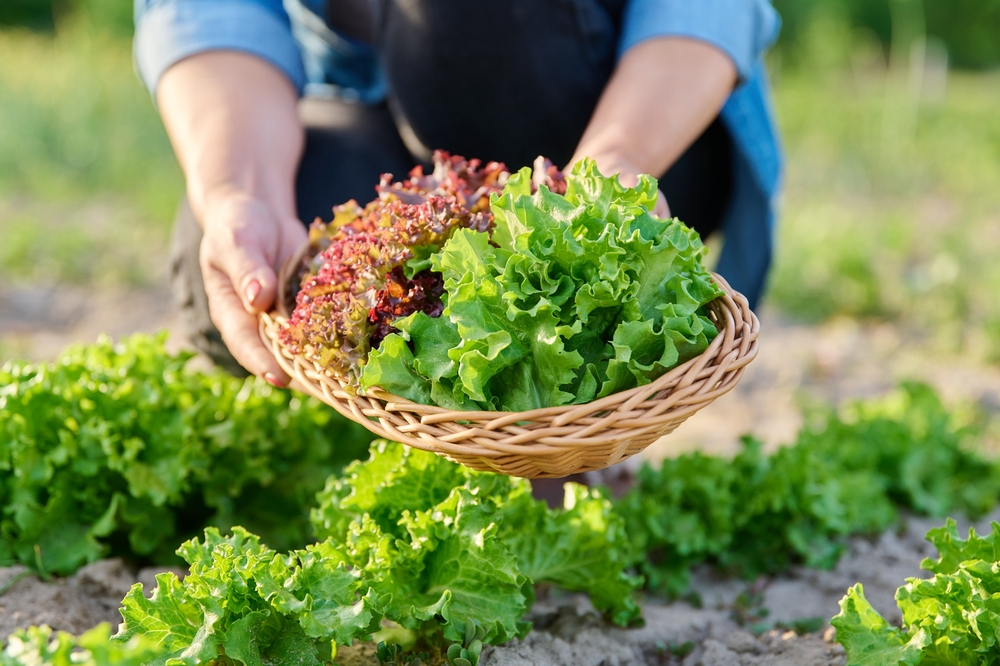
Your summer tomatoes are finished, the cucumber vines are turning brown, and the garden beds that kept you busy all summer are starting to look empty. But before you pack away your gardening tools, there’s one inexpensive crop that can keep fresh food coming well into autumn. Lettuce thrives in cooler weather, and with the right timing, you can enjoy homegrown salads long after many summer vegetables have stopped producing.
Learning how to plant lettuce for a late fall harvest can help you get more value from your garden without investing in expensive equipment or starting from scratch. Unlike heat-loving vegetables, lettuce generally performs best when temperatures are mild, making autumn an excellent growing season in many regions. The key is choosing the right varieties, planting early enough, and protecting tender leaves when freezing weather arrives.
Choose Lettuce Varieties That Mature Quickly
Not every lettuce variety is equally suited to a late-season harvest, especially when daylight hours are shrinking. According to the University of Minnesota, loose-leaf lettuce is among the easiest types to grow because it doesn’t need to form a full head before harvesting. Varieties such as Black Seeded Simpson, Red Sails, and Salad Bowl can provide tender leaves without the longer wait associated with some heading varieties. You need approximately 40 to 60 days to maturity for leaf lettuce, although baby leaves can be harvested sooner. Choosing fast-growing varieties gives you a better chance of collecting fresh greens before freezing temperatures significantly slow growth.
Count Backward From Your First Expected Frost
Timing is critical when learning how to plant lettuce for a late fall harvest, because cooler weather and shorter days slow plant development. Utah State University recommends choosing early-maturing varieties and scheduling fall lettuce to mature approximately one or two weeks before the expected first frost. For example, a variety requiring 50 days to mature should generally be planted well before temperatures begin dropping toward freezing. Gardeners in warmer southern regions may still have time to plant during October, while those in northern climates often need to begin their fall lettuce crops in July or August. If your planting window has already passed, consider purchasing established transplants or using season-extension equipment rather than expecting newly planted seeds to produce full-sized heads before winter.
Prepare Existing Garden Beds Instead of Buying New Supplies
One of the easiest ways to save money on fall lettuce is to reuse garden space previously occupied by summer vegetables. Remove dead plants, weeds, and diseased debris, then loosen the upper few inches of soil before planting your new crop. You should have fertile, well-drained soil and consistent moisture to encourage rapid lettuce growth. If your soil needs improvement, incorporate finished compost and use soil test results to determine whether additional fertilizer is necessary. Reusing established beds, irrigation equipment, and leftover mulch can reduce the cost of growing another round of vegetables.
Plant Seeds at the Right Depth and Spacing
Lettuce seeds are small, so planting them too deeply can make germination more difficult. Lettuce seeds should generally be planted one-quarter to one-half inch deep in fertile, well-drained soil. Seeds germinate best when soil temperatures are approximately 55 to 65 degrees Fahrenheit, making cool autumn conditions particularly favorable. For full-sized plants, thin seedlings according to the variety, with many types requiring approximately eight to twelve inches between plants. Gardeners growing baby lettuce can use closer spacing and harvest young leaves before crowding becomes a problem.
Keep the Soil Moist as Temperatures Drop
Although cooler temperatures reduce evaporation, lettuce still needs reliable moisture to produce tender, flavorful leaves. Try supplying approximately one to two inches of water weekly, depending on rainfall, soil conditions, and temperature. Inconsistent watering can slow growth and contribute to tough leaves, poor head development, or undesirable flavors. Check soil moisture before watering rather than following the same irrigation schedule you used during summer. A light layer of clean straw or shredded leaves can help conserve moisture, reduce weeds, and make better use of materials already available around your yard.
Protect Tender Leaves From Freezing Weather
Lettuce tolerates cool temperatures and some light frost, but prolonged freezing weather can damage plants and end the harvest. Use row covers or low tunnels to protect late-season lettuce from freezing temperatures. Lightweight frost fabric can provide a simple, reusable layer of protection without requiring a greenhouse or expensive gardening equipment. Secure the covering around the edges to prevent cold wind from reaching the plants, and ventilate plastic-covered tunnels during sunny weather to avoid overheating. Remember that protective covers don’t guarantee continuous winter growth, especially when daylight becomes limited and temperatures remain below freezing.
Harvest Outer Leaves Instead of Pulling Entire Plants
A major advantage of loose-leaf lettuce is that you can harvest it repeatedly rather than removing the entire plant at once. Gardeners can pick individual leaves once they reach a usable size while leaving smaller leaves to continue growing. Use clean scissors or gently remove the largest outer leaves without damaging the plant’s central growing point. This method can provide several smaller harvests, although regrowth becomes slower as temperatures and daylight decrease. Harvest only what you need for a meal when possible, then refrigerate the remaining clean, dry leaves promptly to preserve freshness.
Try Containers If Your Garden Beds Are Already Full
You don’t need a large backyard to enjoy fresh lettuce during autumn, because many varieties grow successfully in containers. A planter approximately six to eight inches deep with adequate drainage can provide enough room for loose-leaf lettuce, depending on the variety and number of plants. Raised beds and protective covers can help extend the growing season for cool-weather vegetables. Place containers where they’ll receive several hours of direct sunlight, and remember that potted roots can experience colder temperatures than roots insulated by surrounding garden soil. Reusing existing planters and leftover potting supplies can make container lettuce an inexpensive alternative to buying bagged salad greens.
A Few Seeds Can Keep Your Garden Producing Into Fall
Understanding how to plant lettuce for a late fall harvest can help turn empty summer garden beds into another source of fresh food. Choosing quick-maturing varieties, planting before temperatures become too cold, and protecting leaves from frost are among the most important steps. Leaf lettuce can be a useful fall crop because it grows relatively quickly and tolerates light frost. Even a small planting can provide several fresh salads, especially when you harvest outer leaves and allow the plants to continue growing.
Have you tried growing lettuce during fall, and which varieties or frost-protection tricks have helped you keep harvesting after summer ends? Share your experiences and money-saving gardening tips in the comments.
What to Read Next
How to Keep Deer From Browsing Shrubs Through Winter
Leave a Reply