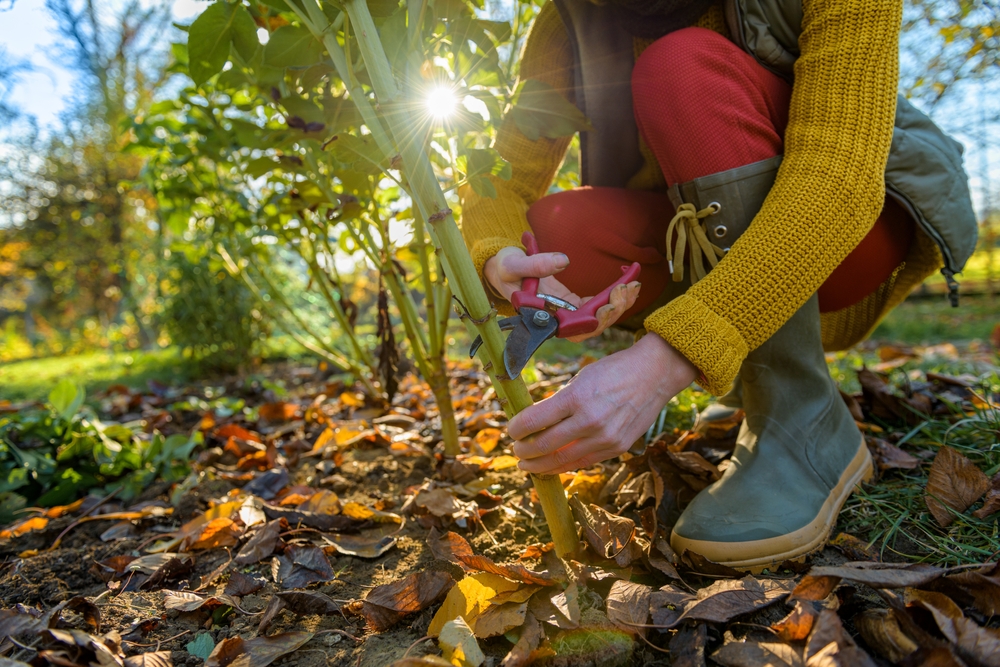
Every fall, homeowners rake up something useful, stuff it into bags, haul it away, and then head back to the garden center a few months later to buy products that do many of the same jobs. Fallen leaves aren’t simply yard debris; they’re a free source of organic material that can protect soil, suppress weeds, feed compost, and return nutrients to the landscape. Penn State estimates that leaves from one large shade tree can contain as much as $50 worth of plant food and humus. Instead of paying to dispose of them and then paying again for mulch, compost, and other garden products, consider using fall leaves in the garden. With a mower, rake, or simple pile in the corner of the yard, this year’s leaves could replace three things you routinely buy.
1. Use Fall Leaves Instead of Buying Bags of Mulch
Bagged mulch can become a surprisingly large spring expense when you have several flower beds, shrubs, or vegetable-growing areas to cover. University of Minnesota lists leaves among useful organic mulches and explains that mulch can reduce evaporation, suppress weeds, limit erosion, and add organic matter as it decomposes. That’s essentially a list of jobs gardeners routinely pay wood chips, shredded bark, or straw to perform. Shredding leaves first can make them easier to manage because whole leaves sometimes mat together or blow away, although leaving intact leaves in appropriate garden areas can also provide valuable overwintering habitat. If you’re using fall leaves in the garden primarily to save money on mulch, move leaves from places where they’re problematic to beds where they’ll actually provide a benefit.
2. Turn Leaves Into Compost Instead of Buying It
The second product hiding in your leaf pile is something garden centers sell by the bag every spring: compost. Fallen leaves are a carbon-rich “brown” material that can be combined with nitrogen-rich “greens” such as vegetable scraps, coffee grounds, fresh grass clippings, or manure. The recommendations say that you shoudl use roughly two parts brown material to one part green material, along with appropriate moisture and occasional turning to encourage decomposition. Depending on the pile and how actively it’s managed, finished compost can take anywhere from about 90 days to two years, so don’t expect yesterday’s oak leaves to become perfect compost next weekend. Once finished, however, that material can be returned to garden beds instead of purchasing bags of compost every time you want to improve your soil.
3. Mulched Leaves Can Return Nutrients to Your Lawn
You don’t necessarily have to rake every leaf off the lawn before putting it to work. University of Minnesota recommends mowing dry leaves into smaller pieces so they break down and return nutrients, including nitrogen, potassium, and phosphorus to the soil. The university notes that mulched leaves don’t provide as much nitrogen as grass clippings, but the nutrients they return can still reduce the need for supplemental fertilizer. Decomposing leaves can also improve soil structure, water infiltration, moisture retention, and root growth while helping inhibit weed-seed germination. In other words, using fall leaves in the garden and lawn won’t necessarily eliminate every fertilizer or lawn-care purchase, but it can turn free material into something useful instead of sending those nutrients away.
Don’t Leave a Thick Blanket of Whole Leaves on the Lawn
“Don’t bag your leaves” shouldn’t be interpreted as “do absolutely nothing with every leaf that falls.” A thick, wet layer of whole leaves can block sunlight and trap moisture over turf rather than providing the benefits you were hoping for. University of Minnesota recommends mulching leaves into the lawn until only about half of the grass surface remains visible; when leaf accumulation becomes heavier than that, excess material should be moved elsewhere or composted. That gives you an easy visual test without measuring leaf depth with a ruler. Mow manageable amounts into the lawn and relocate the surplus to garden beds, compost piles, or a leaf-storage area.
Leaf Mold Is the Lazy Gardener’s Free Soil Conditioner
If maintaining a traditional compost pile sounds like too much work, there’s an easier option. Penn State recommends collecting leaves in a pile, old trash can, simple bin, or loosely closed bag and allowing them to slowly decompose into leaf mold. Shredding, occasionally turning the material, maintaining some moisture, or covering the pile can speed decomposition to roughly six to 12 months, while untouched whole leaves will generally take longer. The resulting leaf mold can be used around the garden to improve soil and help it retain moisture. It’s difficult to find a cheaper soil amendment than something your trees deliver to the yard for free every October.
Leaves Can Protect Plants Through Winter Too
Before buying straw or another material for winter protection, look at the leaves already covering your property. University of Minnesota recommends whole or shredded leaves among the materials that can provide protective winter mulch for perennials and spring-flowering bulbs, particularly by reducing damaging freeze-thaw cycles. For that purpose, the university recommends applying approximately five or six inches after the soil begins to freeze rather than piling mulch over plants too early. Timing matters because premature winter mulch can keep soil warm and encourage growth when plants should be entering dormancy. This is another example of using fall leaves in the garden to replace a product you might otherwise purchase for a very specific seasonal job.
Be Selective About Which Leaves You Reuse
Free doesn’t automatically mean appropriate for every situation. Leaves from plants with serious foliar diseases can potentially harbor disease organisms that survive into another season, so those leaves may require different handling depending on the disease involved. If you’re uncertain about a diseased tree or shrub, your local Cooperative office or university plant clinic can help determine whether its leaves belong in your garden or compost. Also avoid creating unnaturally enormous piles in wooded habitat simply because you have excess leaves; many insects and other animals depend on naturally occurring leaf layers for shelter and food. Smart reuse means putting leaves where they help rather than simply moving every leaf from one giant pile to another.
Stop Paying to Replace What Your Trees Already Gave You
The real savings aren’t created by refusing to buy another bag of mulch for the rest of your life. They’re created by looking at the resources your yard already produces before automatically buying a commercial replacement. Leaves can become mulch, compost, leaf mold, winter protection, and a source of organic material and nutrients for the lawn and garden, while simultaneously reducing the amount of yard waste you need to bag or haul away. Penn State’s estimate that a large shade tree’s leaves can represent as much as $50 in plant food and humus puts a useful dollar value on something many homeowners still regard as garbage. Once you start using fall leaves in the garden, paying to remove them and then buying organic material in spring can suddenly seem like a very strange financial arrangement.
What’s your favorite way to reuse fall leaves instead of sending them to the curb?
What to Read Next
Before You Bag Your Fall Leaves, Try These 5 Free Uses for Them
What Happens If You Never Rake the Leaves in Your Yard?
Powdery Mildew Is Everywhere This Fall — Can Those Leaves Go in Compost?
Leave a Reply