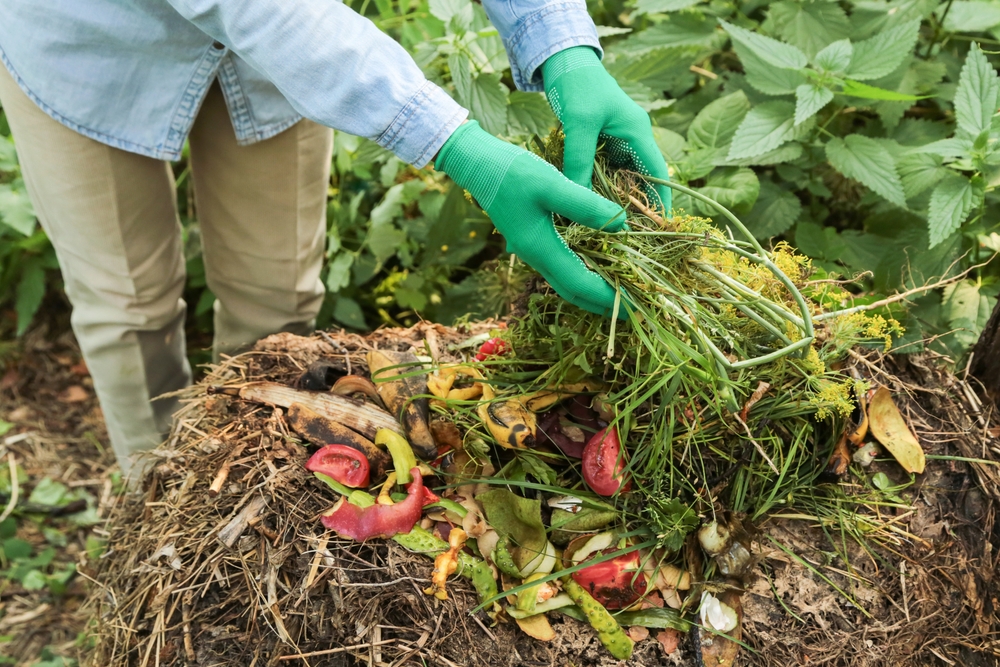
A bag of compost at the garden center looks like a gardening product, while the coffee grounds, vegetable peelings, cardboard, and fallen leaves leaving your house look like trash. Put those materials together correctly, however, and you have many of the ingredients needed to make homemade compost without repeatedly buying bags of soil amendment. The USDA estimates that food scraps and yard waste account for roughly 20% to 30% of what Americans throw away, much of which has potential value outside the trash can. Better yet, composting doesn’t require an expensive tumbler, starter additive, or elaborate backyard setup to work. Before paying for your next bag of compost, take a closer look at what your household already throws away every week.
Fruit and Vegetable Scraps Are Valuable “Greens”
Potato peelings, carrot tops, apple cores, wilted lettuce, broccoli stalks, and other uncooked produce scraps are some of the easiest materials to redirect from your kitchen trash. The EPA’s home composting guidance classifies fruit and vegetable scraps as nitrogen-rich “greens,” which provide one of the essential ingredients microorganisms need during decomposition. Cutting bulky scraps into smaller pieces can speed the process by creating more surface area for microorganisms to work on. Instead of tossing half a bowl of vegetable trimmings after dinner, keep a covered countertop container or store the scraps in your refrigerator or freezer until you’re ready to take them outside. Over weeks and months, those little additions can become homemade compost that goes right back into the garden that helped put vegetables on your table.
Your Morning Coffee Can Go Into the Pile Too
Coffee drinkers may have another compost ingredient waiting in the kitchen every single morning. The EPA includes coffee grounds and paper coffee filters among the nitrogen-rich materials suitable for a backyard pile, while NC State also lists coffee grounds among common “greens.” That makes used grounds especially convenient because you don’t have to buy anything extra or perform much preparation before adding them. Coffee grounds shouldn’t dominate the pile, however, because successful composting depends on combining nitrogen-rich ingredients with considerably more carbon-rich material. If your daily coffee habit normally produces nothing but trash, composting gives that routine a second purpose.
Cardboard and Paper Can Become Your “Browns”
The box from a delivery may look unrelated to yesterday’s banana peel, but a compost pile needs both materials for different reasons. The EPA recommends shredded non-glossy, uncolored paper, brown paper bags, and cardboard without wax coatings, tape, or glue as carbon-rich “browns.” These dry materials add carbon, absorb moisture, and help create structure so the pile doesn’t become a wet, compacted mass of decomposing food. Remove tape, labels, plastic windows, and other contaminants first, then tear or shred appropriate cardboard and paper so it breaks down more readily. Suddenly, some of the material filling your recycling bin can become part of the recipe for homemade compost instead.
Fallen Leaves May Be the Ingredient You’re Missing
One of the easiest composting mistakes is adding plenty of kitchen scraps without enough dry carbon-rich material to balance them. Fortunately, fall can deliver enormous quantities of “browns” to your yard for free in the form of dry leaves, which the EPA specifically recommends for home composting. Rather than bagging every healthy fallen leaf, save some in a dry pile or container so you have carbon available when kitchen scraps accumulate during winter and spring. The EPA recommends adding roughly two to three times the volume of browns as greens, so that leaf stash can become extremely useful. When gardeners throw away their leaves and food scraps but later purchase homemade compost ingredients or finished compost, they’re effectively paying to replace resources their property already produced.
Eggshells Can Stay Out of the Garbage
Eggshells are another ordinary kitchen leftover that the EPA says can be added to a backyard compost pile. Crushing them into smaller pieces helps because eggshells can remain visibly intact long after softer food scraps have disappeared. Don’t confuse composting shells with dumping whole eggs, dairy products, or greasy breakfast leftovers into the pile, because those materials can create a very different set of problems. NC State specifically advises home composters to leave meat, fish, dairy, grease, oil, and bones out of backyard bins and to cover kitchen scraps with leaves or other carbon materials. The goal isn’t to make every bit of kitchen waste compostable; it’s to consistently rescue the materials that work well.
Grass Clippings and Garden Debris Can Complete the Mix
Your kitchen isn’t the only place where potential compost gets thrown away. Grass clippings and appropriate garden debris can provide nitrogen-rich material, while twigs, dry plant stalks, and leaves contribute carbon to the pile. However, the EPA advises against backyard composting diseased or pest-infested plants, aggressive weeds or weeds containing seeds, and plants treated with herbicides because typical backyard systems may not reach temperatures capable of neutralizing every problem. A good rule is to compost healthy plant debris you recognize and handle questionable material separately rather than gambling with next year’s garden. Careful sorting now can prevent homemade compost from becoming an unintended delivery system for weeds or disease later.
A Smelly Compost Pile Usually Means Something Needs Adjusting
Some people give up on homemade compost after their first pile becomes a soggy, foul-smelling mess, but compost shouldn’t smell like a garbage dump when it’s working properly. Composting is an aerobic process, meaning microorganisms need oxygen as well as carbon, nitrogen, and moisture to break down organic material effectively. The EPA says a bad odor can indicate that a pile is too wet or lacks sufficient air circulation, and adding dry brown material and turning the pile can help correct the problem. NC State recommends roughly two parts browns to one part greens and enough moisture that squeezing a handful produces only a drop or two of water. Once you learn what a balanced pile looks and feels like, troubleshooting becomes much easier than simply abandoning the project.
Homemade Compost Takes Time, but That’s Part of the Savings
The biggest thing you give up when making compost instead of buying it is speed. The EPA says a well-maintained pile can produce finished compost in roughly three to five months, while an unattended pile may require a year, and finished material should look dark, loose, crumbly, and smell like fresh soil. NC State similarly notes that composting time varies considerably depending on whether you’re actively managing the pile and which method you use. That means gardeners shouldn’t wait until the morning they’re planting tomatoes to decide they need homemade compost that afternoon. Start recycling your household materials now, and the payoff arrives when future garden beds need organic matter.
Your Trash Can May Be Hiding Part of Next Year’s Garden
You may still need purchased compost when starting a new raised bed, tackling a large landscaping project, or needing more material than your household can reasonably produce. But buying compost doesn’t have to be the automatic first step when fruit scraps, coffee grounds, eggshells, cardboard, leaves, and garden debris are routinely leaving your property. The EPA notes that composting keeps organic materials out of the waste stream while recycling nutrients into a useful soil amendment, giving the practice value beyond the money potentially saved at the garden center. Start small, learn to balance greens and browns, and think of homemade compost as a garden resource that you’re gradually manufacturing from materials you’ve already paid for or grown.
How much of what’s currently going into your trash could you turn into compost instead? Tell us what you’re already composting—or what you’d like to start saving—in the comments.
What to Read Next
Tomato Blight? Don’t Put These Plants in the Compost Pile
Powdery Mildew Is Everywhere This Fall — Can Those Leaves Go in Compost?
7 Garden Problems You Don’t Want Surviving in Next Year’s Compost
Leave a Reply