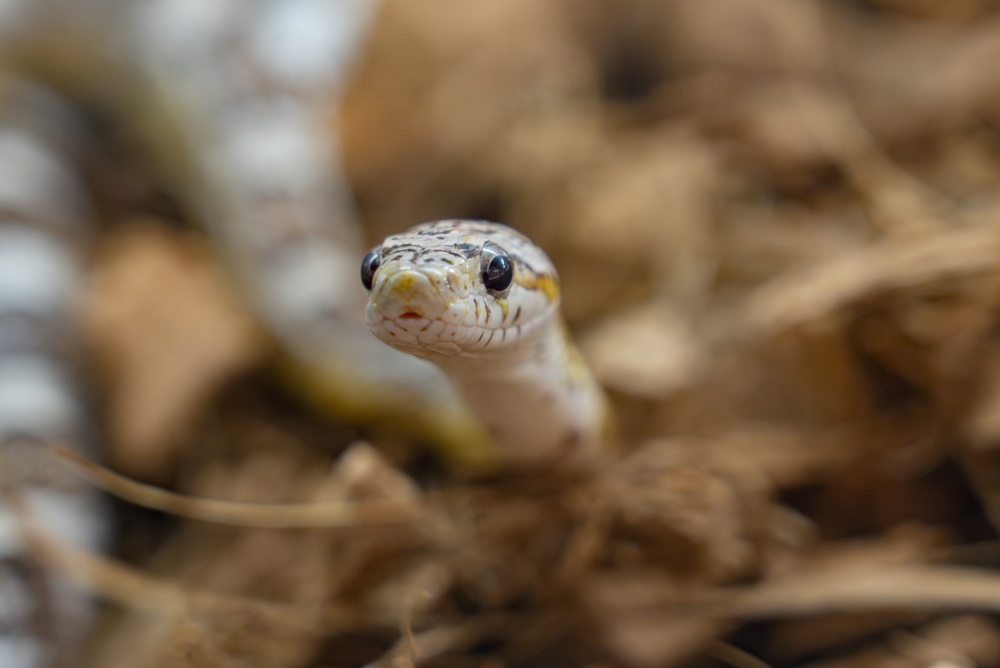
Pulling weeds or spreading mulch can produce an unwelcome surprise when something underneath suddenly starts moving. A snake tucked beneath mulch, leaves, landscape fabric, a flowerpot, or a piece of wood may have been resting there long before you disturbed its hiding place. Your first instinct might be to grab a shovel, move closer for a better look, or even reach down if the snake appears small and harmless, but that’s exactly what garden snake safety guidance tells you not to do. The Centers for Disease Control and Prevention recommends never touching or handling a snake and warns that brush, leaves, and debris can conceal them. If a snake suddenly appears in your garden, these precautions can keep a routine afternoon of yard work from turning into a medical emergency.
Don’t Trust One Identification Trick
You’ve probably heard that venomous snakes always have triangular heads, slit-shaped pupils, or some other unmistakable feature, but getting close enough to inspect those details creates unnecessary risk. The National Park Service specifically discourages people from approaching a snake closely enough simply to determine whether it is venomous and recommends leaving wildlife alone regardless. Head shape can also be misleading because some harmless snakes flatten their heads defensively, and identifying pupils requires being much closer than any gardener needs to be. Regional field guides and wildlife agencies can help you learn the snakes that actually live where you garden, but identification should happen from a safe distance. The first rule of garden snake safety is therefore surprisingly simple: if you aren’t certain what you’re looking at, don’t touch it.
Mulch and Leaves Make Excellent Hiding Places
A snake under mulch isn’t necessarily stalking you or establishing permanent residence in your flower bed. Snakes seek places offering shelter, appropriate temperatures, and access to prey, and landscaping materials can create plenty of concealed spaces. The CDC advises people to watch carefully around logs, fallen trees, vegetation, and other places where snakes can hide and recommends reducing brush or log piles around homes when snake encounters are a concern. Thick leaf piles, stacked landscape materials, overturned containers, boards, rocks, and dense groundcover can similarly give small animals places to shelter. When working around anything you can’t see beneath, assume something could be there before putting your fingers underneath it.
Use Tools Instead of Your Hands
Gardeners regularly reach into exactly the places where snakes, spiders, and other animals can shelter. CDC workplace safety guidance recommends wearing leather gloves when handling brush and debris and using tools to move material rather than reaching blindly underneath it. That advice translates easily to home gardening: use a rake, hoe, shovel, or similar long-handled tool to carefully move leaves, mulch, boards, or brush when you can’t see what’s underneath. Boots and long pants provide additional protection when you’re cleaning overgrown areas or moving accumulated debris. Good garden snake safety is less about becoming an expert herpetologist and more about keeping your hands and feet out of places you can’t inspect first.
A Small Snake Isn’t Automatically Harmless
A tiny snake disappearing beneath the mulch may feel considerably less threatening than a four-foot adult, but size shouldn’t determine whether you pick it up. The CDC’s National Institute for Occupational Safety and Health specifically warns people not to disregard juvenile venomous snakes because young animals are already equipped with venom. Small harmless species can also resemble juvenile venomous species to an inexperienced observer, especially when you’re seeing only part of the animal beneath vegetation. Instead of trying to catch it for closer inspection, step back and take a photograph from a safe distance if doing so doesn’t require approaching the snake. That photograph may be much more useful for later identification than trying to remember markings after an adrenaline-filled encounter.
Killing the Snake Can Increase Your Risk
Reaching for the nearest shovel may feel like the safest solution, but confronting a snake requires moving closer to the animal you’re trying to avoid. CDC guidance says snakes generally bite when they feel threatened or trapped and explicitly advises people not to chase, capture, or kill them. The agency also notes that snakes play useful ecological roles by consuming rodents, including animals capable of spreading germs and ticks. If the snake has room to leave, backing away and giving it time is often safer than trying to force it somewhere else. Garden snake safety protects both the gardener and an animal that may actually be helping control pests around the property.
Children and Pets Change the Situation
A snake quietly passing through a distant garden bed is one thing; a snake beside a doorway, play area, dog run, or other heavily used space may require professional help. The CDC recommends keeping children and pets away from snakes and contacting animal control if a snake gets inside the home rather than attempting to remove it yourself. Dogs are particularly capable of turning a retreating snake into a confrontation by sniffing, pawing, or biting at it. Bring pets inside or securely restrain them while giving the snake room to leave, and don’t encourage children to approach for a closer look. If an animal won’t leave a high-risk location and you’re uncomfortable dealing with it, contact local animal control or a qualified wildlife professional.
If You’re Bitten, Forget the Movie Tricks
Snakebite first aid is another area where familiar advice can be dangerously outdated. Current CDC guidance says to seek emergency medical attention promptly, stay calm, remove rings or watches before swelling develops, and wash and cover the bite while awaiting care. Don’t apply a tourniquet, cut the wound, suck out venom, apply ice, or attempt to capture the snake for the hospital. If it can be done without approaching the animal, a photograph taken from a safe distance may help with identification. Most importantly, don’t wait for dramatic symptoms before seeking medical help after a suspected venomous snakebite.
Make Future Surprises Less Likely
You can’t—and generally shouldn’t try to—make an outdoor property completely snake-proof. You can, however, reduce attractive hiding places around the parts of the yard your family uses most by controlling rodents, removing unnecessary brush piles, storing firewood appropriately, and avoiding piles of unused landscape materials. Keep pathways visible and use extra caution when moving rocks, pots, lumber, tarps, leaves, or other objects that have remained undisturbed for weeks. Learn which venomous species occur in your region through your state wildlife agency or university extension service instead of relying on viral identification charts from social media. A little prevention and basic garden snake safety can make that unexpected movement beneath the mulch much less frightening.
Give the Snake Space Before You Make a Move
Finding a snake in the garden doesn’t automatically mean you have a dangerous pest that needs to be removed. Most snakes aren’t venomous, according to the CDC, and they can provide useful pest control by eating rodents and other animals. Still, you don’t need to determine whether a snake is harmless by getting close enough to touch it, inspect its eyes, or examine the shape of its head. Step back, keep children and pets away, allow the animal an escape route, and get professional assistance when a snake is inside the home or remains in a location where it creates a genuine safety concern.
Have you ever uncovered a snake while gardening, and what did you do when you realized it was there? Share your experience in the comments.
What to Read Next
Found a Snake in the Garden? What It’s Doing There May Surprise You
Snakes in the Garden Aren’t Always Bad — Here’s When You Should Be Concerned
Leave a Reply