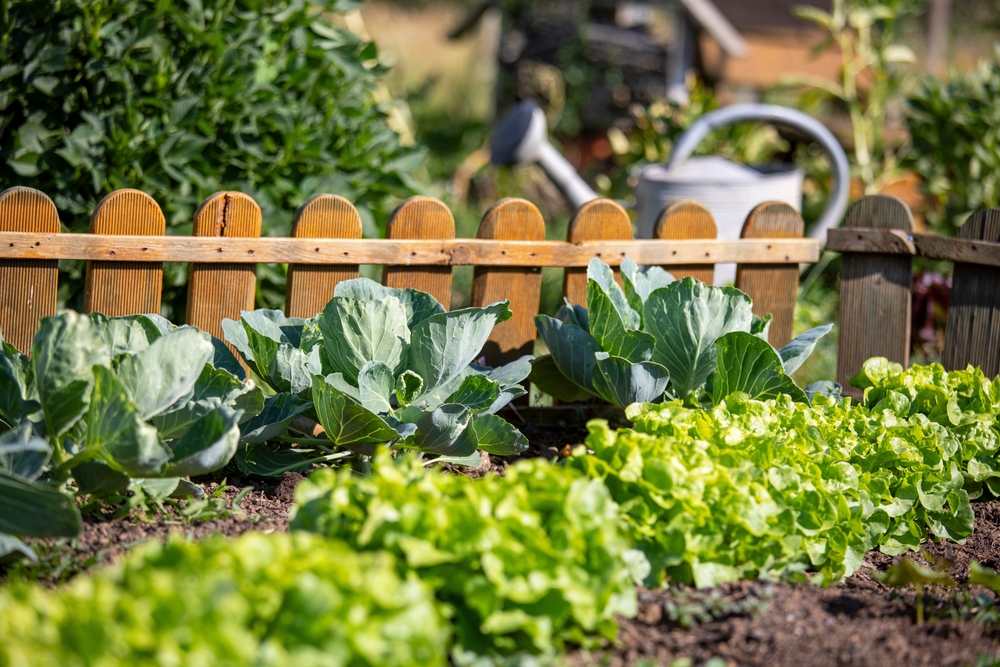
September does not have to mean waving goodbye to the vegetable garden. Depending on your climate and first frost date, plenty of cool-season crops can still go into the soil now and give you fresh food long after the tomatoes start looking exhausted.
The key involves choosing vegetables that actually enjoy cooler weather instead of trying to squeeze another cucumber out of a season that has clearly moved on. Timing matters, too, because a September planting in Maine faces a very different calendar from one in Georgia or California. Check your local first-frost date, choose quick-growing varieties when possible, and give new plantings consistent moisture while they get established.
1. Radishes Are the Speed Demons of the Fall Garden
Radishes make an excellent September choice because they grow quickly and handle cool weather far better than most summer vegetables. A short stretch of favorable weather can take a new planting from seed to harvest surprisingly fast, making radishes particularly useful when the calendar starts looking suspiciously crowded.
Sow the seeds directly into loose, well-drained soil and keep the seedbed evenly moist until seedlings emerge. Choose smaller or quick-maturing varieties if your first frost approaches soon, and harvest promptly because oversized radishes can develop a less pleasant texture.
2. Spinach Loves the Cooler Comeback
Spinach often looks far happier when summer’s heat backs off, which makes early fall a natural time to put another crop in the ground. Gardeners in suitable climates can direct-sow spinach in September, and the plant tolerates light frost while some varieties can even overwinter.
Give spinach a sunny spot with fertile, well-drained soil and keep the surface consistently moist during germination. If chilly weather arrives before the plants reach full size, do not panic, because spinach handles cool conditions much better than heat and can continue producing when many warm-season crops have called it quits.
3. Kale Can Keep the Garden Going
Kale earns serious fall-garden points because cold weather rarely sends it running for cover. Extension guidance lists kale among the more cold-hardy vegetables, and established plants can tolerate temperatures that would finish off tender summer crops.
In September, gardeners in colder areas may have better luck with young transplants than with tiny seeds racing against the calendar. Give plants full sun, steady moisture, and room to develop, then pick outer leaves as needed instead of stripping the entire plant bare.
4. Lettuce Can Sneak in for a Fall Salad
Leaf lettuce makes another smart September planting because it prefers cooler conditions and can mature relatively quickly. Fall weather also removes one of lettuce’s biggest complaints, namely excessive heat that can push plants toward bolting and bitter leaves.
Direct-sow seeds shallowly and keep the soil surface moist until they germinate, particularly if September still brings warm afternoons. In colder areas, consider a quick-maturing leaf variety or young starts, and keep row cover handy when an early frost threatens.
5. Turnips Bring Two Harvests to the Party
Turnips deserve more garden attention than they usually receive because both their roots and leafy tops can provide food. They also handle light frost, making them a useful choice for gardeners who want something productive after summer vegetables fade.
Sow turnips directly into prepared soil and thin crowded seedlings so the roots have room to develop. Fall-grown turnips can develop a sweeter flavor in cool conditions, although gardeners in colder climates should plant early enough to give the roots time to size up.
6. Carrots Can Make a Late Appearance
Carrots can work as a September planting in regions with enough remaining growing time, especially when gardeners choose smaller or faster-maturing varieties. Cool weather suits carrots well, and frost can improve the sweetness of some root crops rather than automatically ruining them.
Loose soil matters enormously because compacted ground can leave carrots short, crooked, or forked. Sow seeds directly, keep the planting consistently moist during germination, and check the seed packet for maturity information before planting because a carrot that needs a long growing season may simply run out of calendar.
7. Beets Can Pull Off a Fall Encore
Beets make a useful follow-up crop when an early vegetable has left an empty patch in the garden. They tolerate cool weather, and their edible greens give gardeners another reason to harvest before the roots reach their final size.
Plant beet seeds directly into loose soil and thin seedlings after they emerge so developing roots have adequate space. September success depends heavily on location, so gardeners in colder regions should choose an early variety and plant promptly rather than waiting until the month starts packing its bags.
8. Garlic Starts the Next Garden Before This One Ends
Garlic offers a different kind of September gardening opportunity because the reward comes much later. In many regions, gardeners plant garlic in fall so the cloves can establish roots before winter and produce a harvest the following growing season, making it an excellent way to turn an otherwise quiet bed into a future crop.
Choose healthy planting cloves and place them in fertile, well-drained soil according to the variety’s recommended timing for your region. Garlic needs patience, but that patience pays off when a seemingly ordinary fall planting eventually turns into a row of fragrant bulbs ready for the kitchen.
September Gardening Works Best With a Calendar, Not a Guess
The biggest mistake with fall planting involves treating September as a universal gardening date when climate varies dramatically from one location to another. Your average first frost date, remaining growing season, soil conditions, and crop variety all influence whether a September planting has enough time to produce a worthwhile harvest.
Start with the vegetables that mature quickly, then move toward longer-season crops only when your local conditions give them enough runway. A little planning can turn an empty tomato bed into another round of food instead of letting the garden spend the rest of the season collecting weeds and fallen leaves.
So, which of these crops are you planning to sneak into your garden before summer officially checks out?
You May Also Like…
The Cheapest Vegetable to Grow Isn’t Always the One With the Cheapest Seeds
Why Kale and Spinach Are the Underdogs of the November Garden
10 End-of-Season Garden Deals Worth Watching for in September
A Few Minutes of Fall Garden Maintenance Could Prevent Expensive Problems Next Year
Why Gardeners Should Track Soil Temps in Autumn

Brandon Marcus is a staff writer for FrugalGardening.com at District Media, Inc., where he delivers practical gardening advice with a relatable, no-nonsense style. An avid amateur gardener, he holds a BA degree and with over ten years of professional writing experience, he is also an award-winning published author whose first book, Questions For Deep Thinkers, was released by Adams Media. His work has appeared in major publications including Fandom.com, CHUD.com, TheColdWire.com, and Fansided.com.
Leave a Reply