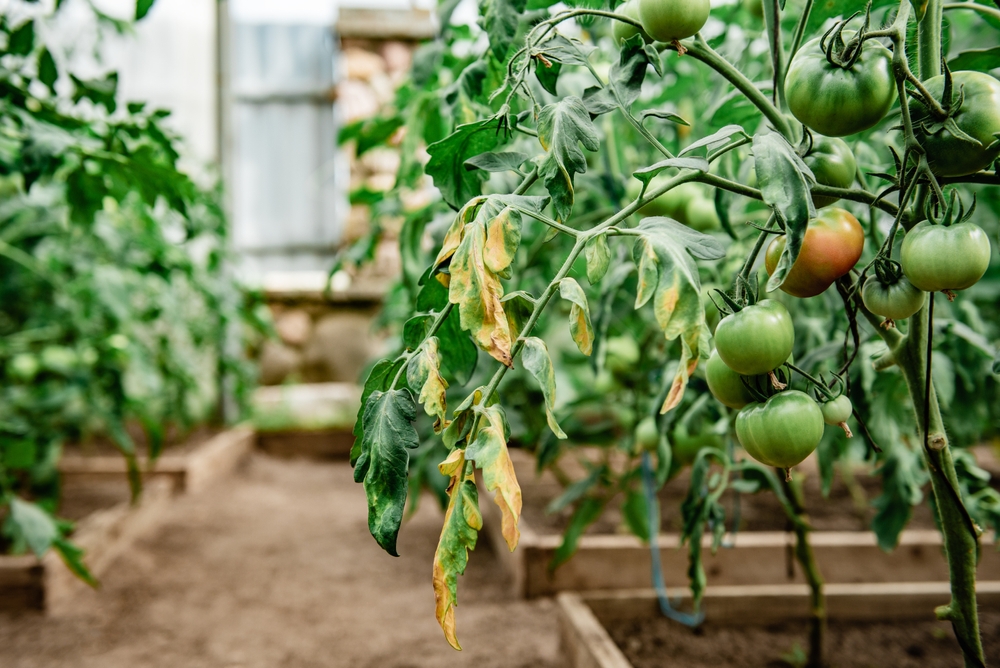
A summer vegetable plant can look downright exhausted by late season and still have a few good harvests hiding up its sleeves. Yellowing leaves, bare stems, sprawling vines, and the occasional suspicious-looking tomato can make the garden seem ready for a cleanup crew, but appearance alone does not tell the whole story.
The better question involves what the plant can still produce. A tomato loaded with green fruit deserves a little patience, while a cucumber vine covered in mildew and producing misshapen cucumbers may have reached the end of its useful run. Knowing the difference can save healthy plants, preserve food, and keep unnecessary garden chores off the schedule.
Look at the Harvest, Not Just the Leaves
A summer vegetable plant does not need to look gorgeous to remain productive. Tomatoes often develop yellowing or damaged lower leaves as the season progresses, yet healthy stems and ripening fruit can signal plenty of life remains above the mess.
Peppers offer another good example because plants can continue producing long after their foliage loses its midsummer shine. If a plant still flowers, sets fruit, or carries immature vegetables that need time to develop, pulling it simply because it looks tired can cut the harvest short. Check the growing points, flowers, and fruit before reaching for the shovel.
The fruit itself can provide an even better clue. A zucchini plant that produces normally deserves more time, while one that repeatedly produces small, distorted fruit may struggle with disease, poor pollination, or declining plant health. Cucumbers can follow a similar pattern, especially when disease takes hold and the plant stops producing useful fruit. When new growth and worthwhile vegetables continue to appear, the plant still earns its space.
Weather Can Change the Decision
Temperature plays a huge role in deciding whether a summer crop has more days ahead. Tomatoes, peppers, eggplants, cucumbers, beans, and squash generally prefer warm conditions, so a stretch of suitable weather can keep production going even when the calendar starts whispering about fall.
That makes an early cleanup especially tempting and especially premature. A cool night does not automatically mean every summer vegetable needs to come out, particularly if daytime conditions remain favorable and the forecast offers more warm weather. Gardeners can often leave healthy plants in place and harvest what they can while the weather cooperates.
Frost changes the equation much more dramatically for warm-season crops. A hard frost can damage or kill plants such as tomatoes, peppers, cucumbers, and beans, so gardeners should pay attention when genuinely cold conditions approach. Before a predicted frost, ripe and nearly ripe fruit deserves harvesting, along with any vegetables that can finish ripening indoors. Once cold weather permanently ends production, removing the plants makes much more sense.
Disease Is a Different Story
A plant with ordinary late-season wear can stay, but a plant with serious disease may deserve a much quicker exit. Powdery mildew, downy mildew, bacterial diseases, and various wilts can affect summer vegetables, and diseased foliage rarely improves simply because the calendar moves forward.
The important distinction involves the severity and the crop’s remaining value. A cucumber vine with some powdery mildew that still produces useful fruit presents a different situation from a collapsing vine covered in diseased foliage and producing little of anything. Removing severely affected plants can also make garden cleanup easier and reduce the amount of infected plant material left behind.
Diseased plants require careful cleanup rather than a casual toss into the nearest compost pile. Some pathogens can persist in plant debris or soil, so composting diseased material at home may not provide the level of control gardeners expect from a well-managed composting system. Remove affected material according to local disposal guidance, clean tools after cutting diseased plants, and avoid saving seeds from questionable plants. A little sanitation now can prevent next year’s garden from inheriting this year’s problems.
Some Plants Can Keep Producing After They Look Awful
Vegetable gardens have a funny habit of making productive plants look like they belong in a botanical horror movie. Tomato vines can become sprawling tangles, bean plants can lose leaves, and pepper plants can look increasingly ragged while continuing to produce perfectly respectable food.
Peppers especially deserve patience when conditions remain warm. Plants can keep setting flowers and developing fruit late in the season, so removing them too early may sacrifice peppers that simply need more time. Gardeners can also harvest peppers at different stages, depending on the variety and desired flavor.
Tomatoes deserve the same consideration when green fruit still hangs on healthy vines. Even if the plant looks worn, fruit that has reached a mature stage can continue ripening after harvest under suitable indoor conditions. That does not mean every struggling tomato plant deserves permanent residency, but it does mean a scruffy appearance alone should not trigger immediate removal. Check the fruit, inspect the stems, and decide based on production rather than beauty-pageant standards.
Know When the Plant Has Truly Finished
Eventually, every summer vegetable reaches the point where keeping it around creates more work than food. A plant that has stopped flowering, stopped setting fruit, and shows little healthy new growth probably has nothing worthwhile left to offer.
Squash and cucumber plants provide an easy example because their decline can happen quickly. If a vine stops producing useful vegetables and disease has taken over much of the foliage, removal can free space for cleanup or a later-season crop. Beans can also reach a natural endpoint when production slows dramatically and the plants begin declining.
There is no prize for keeping a finished plant in the garden until winter. Once production ends, remove the plant, clear away fallen fruit and debris, and inspect the surrounding area for pests or disease symptoms. Healthy plant material can often go into a properly managed compost system, while diseased material may require another disposal method. The goal involves leaving the garden cleaner and healthier, not simply making the garden look empty.
Give Productive Plants the Last Word
The best time to pull a summer vegetable plant rarely comes down to a particular date on the calendar. Instead, look for three things: continued production, healthy enough growth, and weather that still suits the crop.
The summer garden does not need to look perfect to remain useful. Sometimes the most productive plant in the garden is the one that looks like it has absolutely had enough. Give it a quick inspection before pulling it, because that bedraggled tomato or pepper plant might still have one more basket of vegetables waiting.
You May Also Like…
9 Things Gardeners Should Never Throw Away at the End of Summer
Some of the Best Garden Bargains of the Year Show Up After Summer Ends
8 Fall Garden Purchases That Are Usually Cheaper at the End of Summer
Is It Too Late to Plant Vegetables in September? Not in Many Parts of the Country
7 Fall Garden Purchases That Are Usually Cheaper at the End of Summer

Brandon Marcus is a staff writer for FrugalGardening.com at District Media, Inc., where he delivers practical gardening advice with a relatable, no-nonsense style. An avid amateur gardener, he holds a BA degree and with over ten years of professional writing experience, he is also an award-winning published author whose first book, Questions For Deep Thinkers, was released by Adams Media. His work has appeared in major publications including Fandom.com, CHUD.com, TheColdWire.com, and Fansided.com.
Leave a Reply