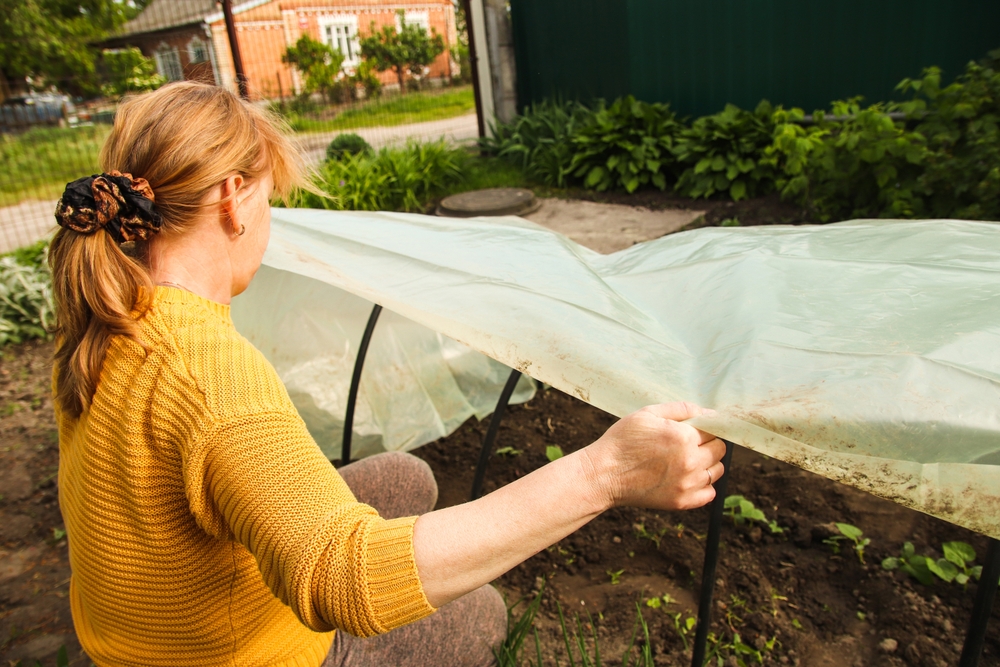
A simple low tunnel can turn a short gardening season into a much longer harvest adventure. With a few hoops, some row cover, and the right crops, gardeners can protect tender plants from chilly nights and keep fresh vegetables coming when outdoor beds slow down.
Low tunnels do not require a fancy setup or a giant budget. They work like a cozy blanket for the garden, creating a slightly warmer pocket of air that helps certain crops handle cool temperatures, wind, and light frost. The trick comes down to choosing plants that actually enjoy cooler conditions instead of trying to force summer vegetables into a winter coat.
1. Spinach: The Leafy Green That Loves Chilly Weather
Spinach ranks among the easiest crops to grow beneath a low tunnel because cool weather brings out its best qualities. The plant handles cold temperatures well and often produces tender leaves when summer heat would make it bitter and unhappy. A gardener can sow spinach in fall, cover it with a low tunnel, and continue harvesting fresh leaves long after many summer crops disappear.
The biggest challenge with spinach involves timing the planting date rather than the tunnel itself. Seeds need enough warmth to sprout, but young plants appreciate the cooler days that follow. A low tunnel helps gardeners create a reliable supply of salad greens without asking the plants to battle harsh winter conditions alone.
2. Kale: The Garden Champion That Handles Frost
Kale has earned a reputation as one of the toughest vegetables in the garden, and a low tunnel gives this leafy powerhouse an extra layer of protection. Many varieties tolerate cold weather and develop sweeter flavors after exposure to chilly conditions. The tunnel also helps reduce damage from harsh winds that can leave leaves ragged and stressed.
Gardeners often plant kale in late summer or early fall for harvests that stretch into colder months. A low tunnel creates a calmer environment where kale can keep producing useful leaves for soups, salads, and smoothies. The plant does not need tropical treatment, just steady care, occasional watering, and enough space for leaves to spread.
3. Carrots: The Underground Crop With a Hidden Advantage
Carrots make excellent low tunnel candidates because their edible roots sit safely beneath the soil while the leafy tops receive extra protection. A cover helps keep the ground from freezing as quickly, which makes digging fresh carrots easier when temperatures drop. The tunnel also protects the green tops from severe weather, keeping the plants active longer.
A gardener can sow carrots for a fall harvest and leave some roots in the ground for later meals. Cool soil often improves carrot flavor because the plant stores more sugars as temperatures fall. The key involves using loose soil and avoiding heavy watering before freezes arrive, since soggy soil creates problems for roots.
4. Lettuce: The Salad Favorite That Prefers Mild Days
Lettuce loves the gentle conditions that a low tunnel provides during spring and fall. Warm summer afternoons often make lettuce bolt quickly, but cooler seasons encourage steady leaf production. A tunnel helps gardeners enjoy crisp greens during months when outdoor conditions might slow growth.
Different lettuce varieties respond differently to cold, so choosing sturdy types helps improve results. Butterhead, romaine, and loose-leaf varieties often perform well under simple covers. Gardeners should check the tunnel regularly because sunny days can warm the space quickly and create conditions that lettuce dislikes.
5. Radishes: The Fast Crop for Quick Garden Wins
Radishes bring instant excitement to a low tunnel because they grow quickly and reward patience with crisp roots. They handle cool weather beautifully and allow gardeners to squeeze extra harvests into the edges of the growing season. A tunnel helps maintain better conditions when temperatures bounce between mild afternoons and frosty nights.
These speedy vegetables work especially well for gardeners who want visible progress. Radishes need consistent moisture and loose soil, but they do not demand complicated care. Planting small batches every few weeks can create a steady supply instead of a giant pile of radishes all at once.
6. Green Onions: The Reliable Crop That Keeps Giving
Green onions, also called scallions, fit perfectly beneath a low tunnel because they tolerate cool temperatures and occupy little space. Their narrow leaves make them easy to tuck between other crops while gardeners maximize every inch of soil. A tunnel helps protect the plants during colder stretches and keeps the harvest window open longer.
These flavorful alliums provide a practical kitchen supply because gardeners can snip what they need and leave the rest growing. They work well in soups, salads, stir-fries, and countless everyday meals. With proper watering and fertile soil, green onions offer a dependable harvest without demanding constant attention.
A Small Cover Can Create a Bigger Garden Season
Low tunnels prove that gardeners do not need a greenhouse to stretch the growing season. A few simple materials can help protect crops that naturally enjoy cooler temperatures and give fresh produce a longer stay in the garden. The best results come from matching the cover with the crop instead of expecting every vegetable to enjoy the same conditions.
Gardeners should remember that low tunnels do not replace basic care. Plants still need sunlight, water, healthy soil, and occasional monitoring. The real magic comes from creating a helpful environment where the right crops can continue growing comfortably when the weather starts acting a little dramatic.
Which crop would you plant first under a low tunnel, and what has worked best in your garden? Give us your favorite season-extension tips in the comments.
You May Also Like…
6 Garden Tasks That Are Safer to Skip During Peak Afternoon Heat
What Should You Do When a Raised Bed Sinks Midseason?
What Should You Do With Garlic Beds After Harvest?
5 Crops That Recover Quickly After a Hailstorm
What’s the Real Benefit of Using Garden Covers and Tunnels?

Brandon Marcus is a staff writer for FrugalGardening.com at District Media, Inc., where he delivers practical gardening advice with a relatable, no-nonsense style. An avid amateur gardener, he holds a BA degree and with over ten years of professional writing experience, he is also an award-winning published author whose first book, Questions For Deep Thinkers, was released by Adams Media. His work has appeared in major publications including Fandom.com, CHUD.com, TheColdWire.com, and Fansided.com.
Leave a Reply