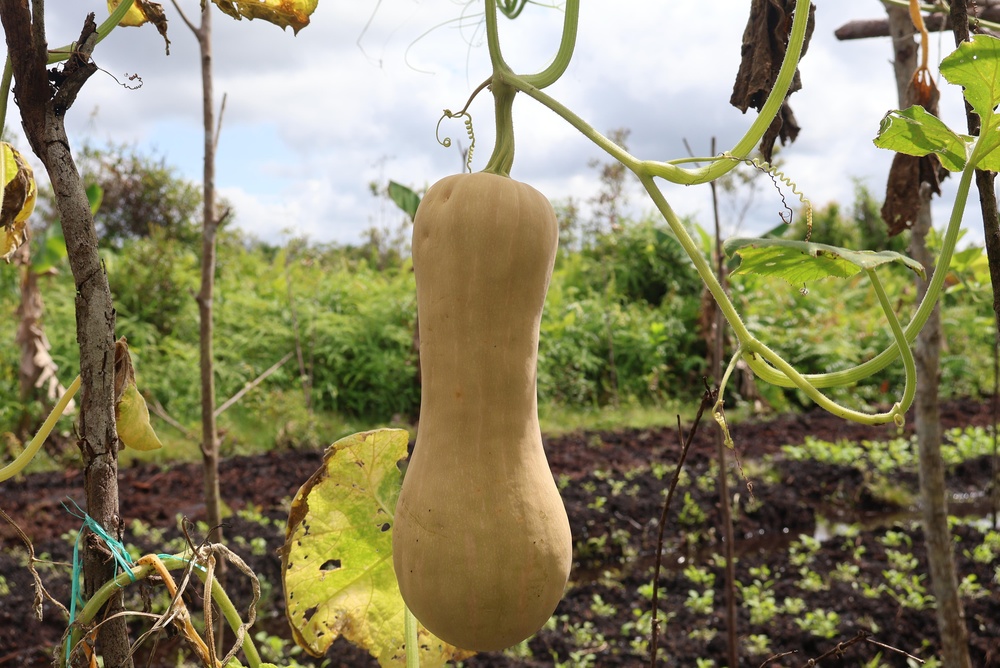
Winter squash vines sometimes surprise gardeners by sending tiny roots into the soil along their long, wandering stems. It can look like the plant has decided to grow a second underground support system, and in a way, that is exactly what it is doing.
Those little roots reveal an amazing survival strategy hiding in plain sight. Once gardeners know why squash vines make these extra connections, they can work with the plant instead of accidentally damaging one of its clever gardening tricks.
Winter Squash Vines Have a Built-In Backup Plan that Helps Them Grow Stronger
When winter squash vines touch the soil, they often send out small roots from the stem nodes, the spots where leaves and side shoots develop. These extra roots help the plant gather more water and nutrients while giving the sprawling vine additional support. A squash plant does not simply flop around the garden without a plan because those long stems actively search for opportunities to anchor themselves. The vine basically says, “This patch of dirt looks useful,” and starts building a tiny root station.
Gardeners often notice this behavior after vines stretch across mulch, loose soil, or compost-rich areas. The small roots usually appear white or pale at first, then become tougher as they settle into the ground. These roots do not mean the plant has a problem, and they do not signal that the main root system failed. Instead, the squash vine uses every available opportunity to collect resources and protect its growing season.
This habit also helps explain why squash vines can recover from minor damage. If a section of vine develops several root points along the ground, those connections can help the plant continue receiving moisture even if one area faces stress. The plant creates a network rather than relying on only one pathway. Nature gave squash a surprisingly practical approach to garden survival.
Those Extra Roots Can Protect Squash Plants During Hot and Dry Weather
Winter squash vines often produce additional roots because the plant wants more access to water during demanding growing conditions. A long vine stretching several feet across the garden covers plenty of ground, so extra roots allow the plant to collect resources from more than one location. This becomes especially helpful during warm spells when soil moisture disappears quickly near the surface. The vine essentially creates several small drinking stations instead of depending on one main source.
Gardeners who grow squash in sunny spaces may notice more rooting along the ground during dry summers. The plant responds to its environment and takes advantage of moist soil pockets where the stem rests. Adding mulch around squash plants can encourage this process because the soil stays cooler and holds moisture longer. Mulch also keeps the vines from rubbing against bare soil, which helps protect the stems.
Some gardeners accidentally damage these helpful roots by moving vines around after they settle in. A young squash vine can handle gentle repositioning, but a mature vine with established roots prefers to stay put. If a vine starts crawling into a walkway, carefully guide it early rather than wrestling with a tangled green jungle later. Squash vines have strong opinions about personal space, and they rarely enjoy being rearranged after they settle down.
The Rooting Habit Reveals How Squash Plants Naturally Spread Across the Garden
In the wild, squash relatives grow as wandering vines that cover open ground while searching for sunlight and resources. Garden squash kept that same adventurous personality, even though gardeners now give them fences, trellises, and carefully planned beds. Those ground-level roots help the plant stay connected as the vine explores new territory. The garden version of squash still carries a little bit of its wild side.
This behavior also explains why squash plants can become garden giants by the middle of summer. A single plant can send vines in several directions, and each section may create new roots along the way. Those roots help support the heavy leaves and large fruits that develop later in the season. The vine creates its own reinforcement system as it expands.
Gardeners sometimes mistake these roots for a sign that the squash needs more fertilizer or a larger container. Extra feeding rarely solves a problem because the roots simply represent normal growth. The better approach involves giving the plant enough room, keeping soil moisture consistent, and avoiding unnecessary disturbance. A happy squash plant often looks a little messy, and that messy appearance comes with a purpose.
Handle Rooted Squash Vines Carefully and Let Nature Do the Heavy Lifting
The best way to manage squash vines with ground roots involves a gentle touch and a little patience. Avoid lifting long sections of vine after they establish those extra roots because the plant may lose valuable connections. Instead, direct young vines where they should go before they begin anchoring themselves. A few minutes of guidance early can save plenty of frustration later in the season.
Gardeners who want to grow squash vertically can still train some varieties upward, but they need to provide strong support for heavy fruits. Not every winter squash variety handles vertical growing equally well, especially large-fruited types. For sprawling varieties, allowing the vine to travel across mulch or open garden space often works best. The plant already knows how to manage its own growth pattern.
Those strange little roots along the ground show just how clever a squash plant can be. They help the vine gather resources, stay secure, and continue producing the leaves needed for healthy fruit development. Instead of seeing them as something unusual, gardeners can view them as a helpful sign that the plant is actively adapting. The humble squash vine may look like a garden wanderer, but it carries a surprisingly smart survival strategy.
What Your Squash Vine Is Really Telling You
Winter squash vines rooting along the ground are not crying for help, they are showing off one of their most useful natural features. Those extra roots help the plant stay connected, collect resources, and handle the challenges that come with a long growing season.
A squash patch may look like a green tangle taking over the garden, but every twist, turn, and tiny root has a reason behind it. Next time a vine starts grabbing the soil, consider letting it do its thing because the plant may know exactly what it needs.
What unusual things have your squash plants done in the garden this season, and what surprises have you discovered while growing them?
You May Also Like…
5 Vegetables That Can Handle a Shadier Summer Corner
5 Reasons Tabletop Vegetable Gardens Work Well for Renters
Why Professional Growers Use White Vinegar Instead of Expensive Sprays
7 Crops That Can Be Grown Under Taller Summer Plants
5 Growth Techniques That Improve Results

Brandon Marcus is a staff writer for FrugalGardening.com at District Media, Inc., where he delivers practical gardening advice with a relatable, no-nonsense style. An avid amateur gardener, he holds a BA degree and with over ten years of professional writing experience, he is also an award-winning published author whose first book, Questions For Deep Thinkers, was released by Adams Media. His work has appeared in major publications including Fandom.com, CHUD.com, TheColdWire.com, and Fansided.com.
Leave a Reply