Every square foot of a summer garden holds more potential than it might seem. Tall tomatoes, towering corn, climbing beans, and sprawling sunflowers create pockets of welcome shade that protect certain crops from scorching afternoon heat while making better use of valuable growing space.
That natural canopy does more than block intense sunlight. It helps the soil stay cooler, slows moisture loss, and creates a friendlier environment for vegetables that appreciate a break from blazing summer afternoons. Pick the right combinations, and suddenly one garden bed starts working twice as hard without adding another inch of planting space.
1. Lettuce Turns Summer Shade Into an Advantage
Nothing sends lettuce racing toward bitter, flowering stems faster than relentless summer heat. A row of tomatoes or pole beans provides just enough afternoon shade to keep leaves tender while extending the harvest well beyond the usual spring season. Instead of watching lettuce disappear by early summer, gardeners often continue picking fresh leaves for salads for weeks longer.
Plant lettuce where morning sunshine reaches it before taller crops cast afternoon shade. That schedule gives plants enough light for healthy growth without exposing delicate leaves to the hottest part of the day. Loose-leaf varieties work especially well because gardeners can harvest a few outer leaves at a time instead of pulling the entire plant. Regular watering and a light layer of mulch help keep the soil comfortably cool.
2. Spinach Makes a Surprising Summer Appearance
Many gardeners assume spinach belongs strictly to cool weather. While that often proves true in full sun, partial shade beneath taller vegetables changes the story dramatically. The cooler conditions slow bolting and give spinach a better chance to produce usable leaves even during warm stretches.
Corn rows often create excellent conditions because the stalks allow filtered sunlight to reach the ground. Fresh spinach tucked between those stems benefits from bright mornings and gentler afternoons. Success depends on keeping the soil consistently moist because dry roots combined with heat encourage rapid flowering. Frequent harvesting also encourages fresh growth before plants decide the season has become too warm.
3. Radishes Slip Into Small Openings With Ease
Radishes mature so quickly that they almost seem impatient. They fit neatly beneath peppers, eggplants, or tomatoes because they finish much of their growing before larger plants completely fill the space overhead. That quick schedule makes radishes one of the easiest vegetables to squeeze into nearly any summer garden.
The partial shade actually improves flavor during hot weather by slowing growth just enough to reduce the chance of woody, overly spicy roots. Gardeners can sow small batches every couple of weeks instead of planting one large crop all at once. Those steady plantings create an ongoing harvest while making excellent use of otherwise empty soil that taller vegetables already occupy.
4. Cilantro Lasts Longer Beneath Larger Plants
Few herbs frustrate gardeners quite like cilantro. One week it looks lush and ready for tacos, salsa, or fresh salads. The next week tall flower stalks suddenly appear, and leafy harvests come to an abrupt end.
Filtered shade beneath tomatoes or trellised cucumbers helps delay that dramatic transformation. Cilantro still needs several hours of sunlight each day, but relief from intense afternoon heat encourages fresh leafy growth instead of rapid flowering. Regular harvesting also signals the plant to keep producing foliage rather than shifting all its energy toward seeds. Even if flowering eventually begins, gardeners gain extra weeks of flavorful harvests simply by choosing a cooler location beneath taller companions.
5. Beets Appreciate Cooler Roots
Most gardeners think of beets as full-sun vegetables, yet they often perform surprisingly well with partial afternoon shade during the hottest part of summer. Their leafy tops continue gathering sunlight while cooler soil encourages steady root development instead of heat stress. The result often includes sweeter, more evenly sized beets.
Tomatoes and pole beans make especially helpful partners because their upright growth allows plenty of morning light while softening harsh afternoon sunshine. Gardeners should leave enough room for air movement because crowded conditions invite disease. Consistent watering also prevents tough, woody roots and helps maintain the smooth texture that makes fresh beets so enjoyable.
6. Carrots Benefit From Protected Soil
Carrots ask for patience from the moment their tiny seeds enter the ground. They germinate slowly, dislike drying out, and reward steady conditions with straight, flavorful roots. Taller neighboring plants naturally help by shading the soil and reducing moisture loss.
A bed of peppers or staked tomatoes creates an excellent environment because sunlight still reaches the feathery carrot tops for much of the day. Fine-textured soil remains essential because rocks and compacted earth cause twisted roots regardless of shade. Thin seedlings early, keep moisture consistent, and resist the temptation to harvest too soon. Those extra weeks beneath a leafy canopy often produce sweeter carrots with better color.
7. Swiss Chard Keeps Producing All Season
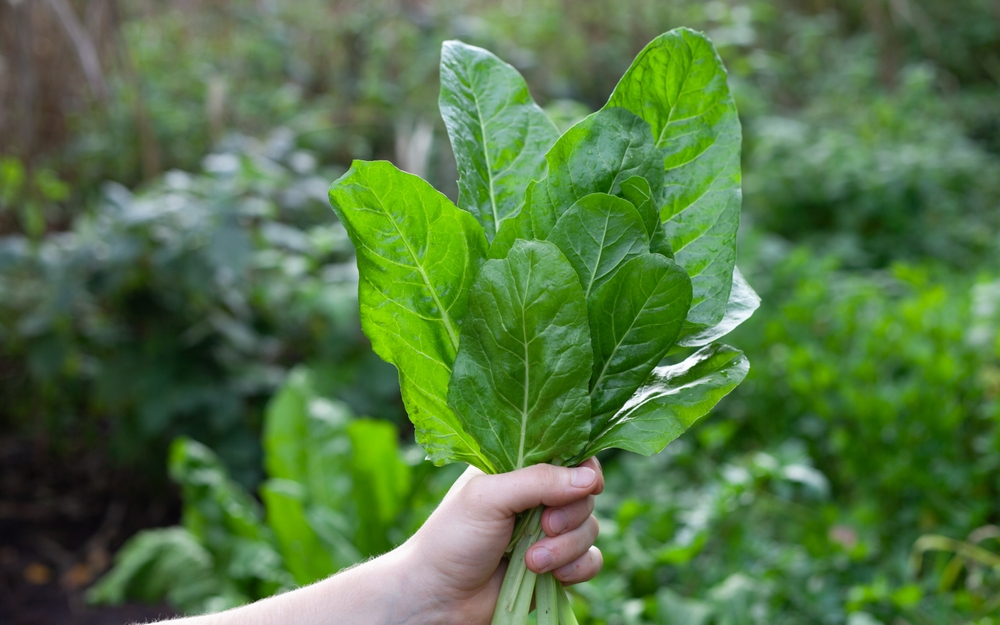
Swiss chard ranks among the most dependable vegetables in any edible garden. Unlike spinach or lettuce, it tolerates heat fairly well, but afternoon shade helps preserve its tender texture and bright leaf color during the hottest weeks of summer. That combination often keeps plants productive well into autumn.
Grow Swiss chard beneath climbing beans, tall sunflowers, or trellised cucumbers where shifting shade protects leaves during peak afternoon temperatures. Harvest outer stems first while allowing the center to continue producing fresh growth. The colorful stalks add visual appeal alongside larger vegetables, proving that practical gardening can also look beautiful. Many gardeners discover that one planting supplies enough leafy greens for months with only simple care.
Let the Garden Work Smarter
Nature rarely wastes empty space, and productive gardens follow the same principle. Pairing shorter vegetables with taller summer crops creates cooler soil, better moisture retention, and more harvests from the same garden bed without making the space feel crowded.
Success comes from matching each crop with the right amount of filtered sunlight rather than forcing every vegetable into full sun. A little thoughtful planning transforms ordinary rows into layered gardens that stay productive throughout the growing season.
Which crop has surprised with its ability to grow beneath taller plants, or which pairing would you like to try next?
You May Also Like…
What Should You Do With Bolted Lettuce Besides Throwing It Away?
Crops to Sow in July for Cooler-Weather Harvests
Companion Planting Cheat Sheet: Perfect Pairings That Boost Growth and Save Space
7 Garden Crops That Benefit From a Second Sowing
6 Reasons Gardeners Are Mixing Herbs Into Flower Borders

Brandon Marcus is a staff writer for FrugalGardening.com at District Media, Inc., where he delivers practical gardening advice with a relatable, no-nonsense style. An avid amateur gardener, he holds a BA degree and with over ten years of professional writing experience, he is also an award-winning published author whose first book, Questions For Deep Thinkers, was released by Adams Media. His work has appeared in major publications including Fandom.com, CHUD.com, TheColdWire.com, and Fansided.com.
Leave a Reply