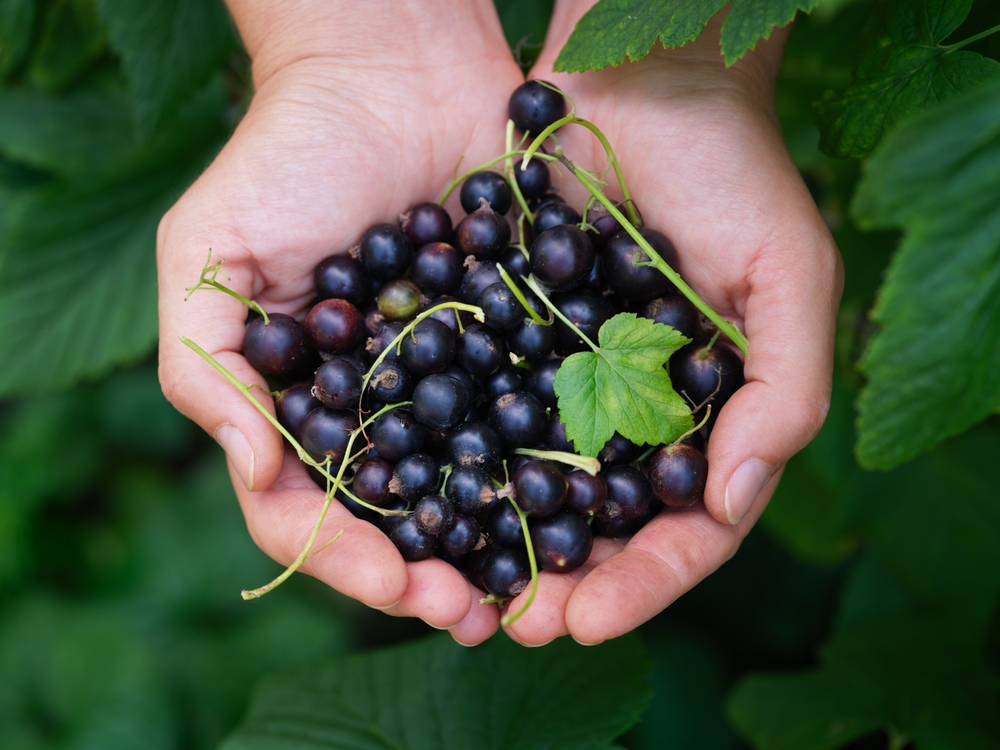
Yes, you can grow blackcurrants in a large patio container, although the size of that container matters a lot more than many gardeners expect. A blackcurrant bush does not want to spend its life squeezed into a decorative pot that looks charming beside the patio door but leaves its roots feeling like they have been packed into an airplane seat.
A large, sturdy container can give gardeners without a traditional garden bed a genuine shot at harvesting those intensely flavored, purple-black berries. The key involves choosing a compact variety, giving the roots enough room, keeping the soil consistently moist without turning it into a swamp, and pruning with a little strategy. Blackcurrants reward thoughtful care, and they bring a very different flavor to the patio fruit collection than the usual strawberries and blueberries.
The Container Needs to Be Big Enough for a Real Shrub
Blackcurrants grow as vigorous shrubs, so a tiny patio pot will not make a sensible long-term home. The Royal Horticultural Society recommends a container at least 45 centimeters, or about 18 inches, wide and deep, with a durable, soil-based growing medium. A larger container can give the plant more room and add valuable stability, especially when the bush fills out and catches wind.
Choose a container with generous drainage holes and enough weight to keep the plant from tipping during a summer storm. A lightweight plastic pot can work, but a heavy resin planter, half barrel or similarly substantial container often makes life easier once the plant grows. The pot should also have enough room for a deep root system because blackcurrants do not appreciate a shallow, cramped root zone.
Compact cultivars deserve special attention when container space limits the garden. The RHS specifically points to smaller varieties such as ‘Ben Sarek’ and ‘Ben Gairn’ as better choices for container growing, at least for several years. A compact plant still needs care, but it gives the patio gardener a much better starting point than a vigorous shrub that eventually tries to occupy the entire deck.
Give the Roots Moisture, Food and a Place to Breathe
Blackcurrants like fertile, moisture-retentive soil, but container gardeners need to avoid the classic watering mistake of treating “moist” as “permanently soggy.” Use a high-quality, soil-based container mix that holds water while still allowing excess moisture to drain away. A container full of dense, waterlogged soil can create root problems faster than a gardener can say, “Why does this plant look sad?”
Container plants also lose nutrients faster than plants growing in the ground because repeated watering carries nutrients through the drainage holes. That means a blackcurrant in a pot needs regular feeding during active growth, following the directions on the fertilizer label rather than adding extra fertilizer in hopes of producing a berry mountain. Excessive nitrogen can encourage lots of leafy growth without delivering the fruit production gardeners actually want.
Water the plant deeply when the top layer of the mix begins to dry, then let excess water drain completely. During hot, dry weather, check the container more frequently because a large shrub can pull moisture from the soil quickly. A layer of organic mulch across the surface can help reduce evaporation, but keep it away from direct contact with the base of the stems.
Sunlight Helps, But a Little Shade Can Work
Blackcurrants generally perform well in full sun to partial shade, which gives patio gardeners more flexibility than many fruiting plants offer. A spot with several hours of direct sunlight can support good growth, while some afternoon shade can help reduce heat stress in warmer climates. The best location often combines bright light with protection from harsh, drying wind.
A patio can create its own strange little weather system. One corner may stay cool and sheltered, while another can turn into a heat trap surrounded by concrete, brick and reflected sunlight. Watch the plant’s location during the day and move the container if necessary, especially during extreme heat.
Good air circulation also matters because crowded, damp foliage can encourage disease problems. Avoid wedging the pot tightly between walls, furniture and other plants. Give the shrub enough breathing room for leaves to dry after rain and for gardeners to inspect the stems and foliage without performing an awkward botanical contortion act.
Pruning Keeps a Container Blackcurrant From Taking Over
Pruning matters even more when a blackcurrant grows in a container because the plant has limited root space. Blackcurrants produce fruit on younger wood, so removing some older stems helps encourage fresh growth and keeps the shrub productive. The RHS recommends annual pruning during the dormant season and advises removing older wood at the base to maintain a healthy mix of stems.
A newly planted blackcurrant may need an initial pruning adjustment, depending on the plant’s size and condition. After that, gardeners can remove dead, damaged or poorly placed stems and gradually take out some of the oldest wood. Avoid turning the shrub into a collection of short stubs unless the specific variety and pruning instructions call for that approach.
Container growing also makes pruning a practical space-management tool. A blackcurrant that begins leaning across a walkway or blocking a patio chair has offered a very clear gardening opinion. Regular winter pruning can keep the plant compact, improve air movement and make harvesting much less like an expedition into a berry jungle.
A Few Patio Problems Deserve Early Attention
Birds can discover ripe blackcurrants with astonishing efficiency, especially when the plant sits in an easy-to-see location. Netting can protect the crop, but gardeners should install it carefully so birds and other wildlife cannot become trapped. Harvest the berries when they develop their characteristic deep purple-black color and reach full ripeness for the best flavor.
Pollination usually does not require a second plant for many blackcurrant varieties, although gardeners should check the specific cultivar before buying. The University of Minnesota Extension notes that some blackcurrant varieties can set fruit on their own, while others need a second variety to ensure fruit set. That small label detail can make a big difference when a gardener has room for only one container.
Cold weather creates another container-specific challenge. Roots in a pot face more exposure to temperature swings than roots in the ground, so gardeners in colder climates may need to move the container to a sheltered location or provide winter protection appropriate to the local climate. The plant itself may handle winter temperatures well while the exposed root system faces a much tougher situation.
The Patio Can Become a Blackcurrant Patch With One Good Pot
Growing blackcurrants in a large patio container works best when gardeners treat the plant like a real fruiting shrub rather than a temporary decoration. Start with a compact cultivar, choose a container at least 18 inches wide and deep, use a quality soil-based growing medium, and provide consistent moisture without poor drainage. Then add regular feeding, sensible pruning and protection from hungry birds.
The biggest mistake involves choosing a container that looks attractive but cannot support the plant’s long-term needs. A large blackcurrant bush needs room for roots, enough weight to stay upright and regular care throughout the growing season. With those basics in place, a patio can produce far more than flowers and decorative foliage.
Would a blackcurrant bush earn a place on your patio, or would the container space go to another fruiting plant?
You May Also Like…
6 Reasons Blackcurrants May Become the Next Backyard Superfruit
Drought‑Resistant Herbs and Spices: Rosemary, Thyme and Sage Thrive with Minimal Water
Foraging Gardens: RHS Says Plant Borage, Sorrel and Herbs You Can Eat Straight from the Yard
Why More People Are Growing Herbs Instead of Buying Them
The Cheap Backyard Upgrade That Makes Summer Nights Better

Brandon Marcus is a staff writer for FrugalGardening.com at District Media, Inc., where he delivers practical gardening advice with a relatable, no-nonsense style. An avid amateur gardener, he holds a BA degree and with over ten years of professional writing experience, he is also an award-winning published author whose first book, Questions For Deep Thinkers, was released by Adams Media. His work has appeared in major publications including Fandom.com, CHUD.com, TheColdWire.com, and Fansided.com.
Leave a Reply