Gardening does not have to drain the wallet to fill the dinner plate. Some vegetables reward even a small investment with baskets of fresh produce, cutting grocery bills while delivering better flavor than many store-bought options. Picking the right crops makes a bigger difference than buying expensive tools or fancy fertilizers.
A few well-chosen plants can keep salads, stir-fries, soups, and side dishes coming for weeks or even months. That kind of return makes every seed packet and transplant feel like money well spent.
1. Pole Beans Turn a Small Space Into a Big Harvest
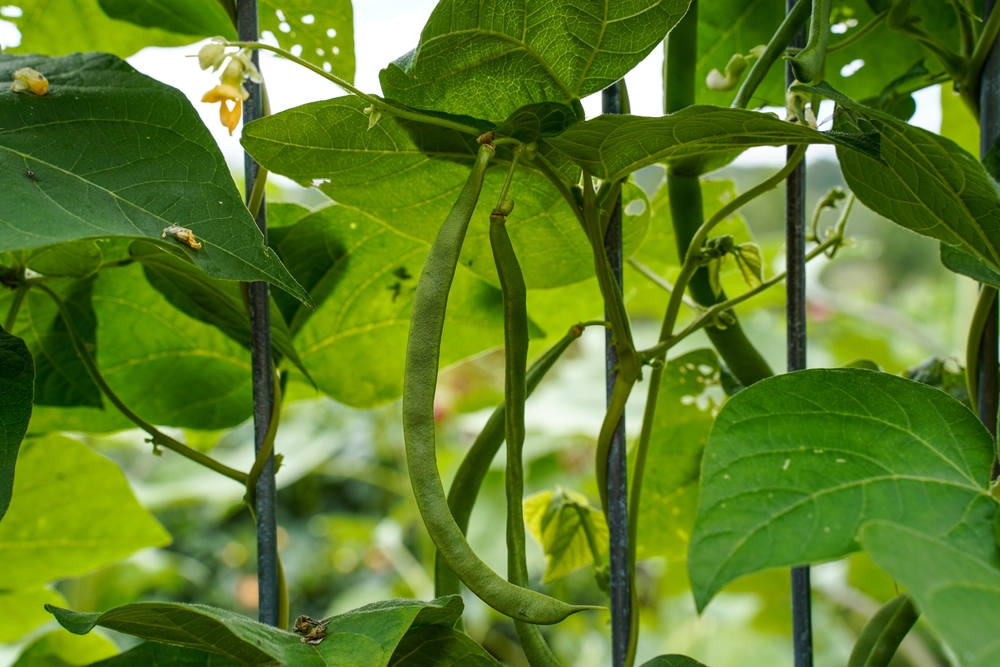
Pole beans earn their place at the top because they keep producing instead of delivering one giant harvest and calling it a season. A simple trellis lets vines climb upward, so even gardeners with tiny yards or patios can collect handful after handful of crisp beans. Regular picking encourages the plants to keep making flowers, which means more beans instead of oversized pods that become tough.
Fresh pole beans also taste noticeably sweeter than many grocery store versions, especially when they go from garden to kitchen in minutes. One inexpensive packet of seeds often provides enough plants to supply family meals for much of the summer.
2. Zucchini Never Seems to Know When to Stop
Zucchini has a legendary reputation for producing more squash than anyone expects, and experienced gardeners know that reputation comes from real life. Just one or two healthy plants can fill kitchen counters with glossy green squash before long. Harvesting zucchini while it stays small keeps the flavor tender and encourages the plant to keep setting new fruit instead of slowing down.
The blossoms also deserve attention because they make a delicious seasonal treat when stuffed or lightly fried. Gardeners who plant zucchini should probably keep a few neighbors on good terms because sharing often becomes part of the experience.
3. Leaf Lettuce Keeps the Salad Bowl Full
Leaf lettuce gives gardeners one of the easiest ways to stretch food dollars because it supports repeated harvests instead of a single cutting. Rather than pulling up the entire plant, snipping the outer leaves allows fresh growth to continue from the center. That simple habit creates weeks of crisp salads without another trip to the grocery store. Success comes even more easily during the cooler weeks of spring and early fall, when lettuce grows quickly and develops excellent flavor. Mixing green and red varieties also creates colorful bowls that look straight from a farmers market.
4. Cherry Tomatoes Deliver More Than Bigger Varieties
Large slicing tomatoes grab plenty of attention, but cherry tomatoes often outproduce them by a wide margin. The plants usually pump out clusters of fruit for months, especially when gardeners harvest regularly and provide steady watering.
Sweet little tomatoes rarely make it all the way into the kitchen because they disappear during every stroll through the garden. They also split less often than many large tomatoes, making them a forgiving choice for beginners. One productive plant can supply salads, pasta dishes, snacks, and lunch boxes long after summer settles in.
5. Cucumbers Keep Coming With Regular Picking
Cucumbers reward consistent harvesting with a steady stream of crisp fruit throughout the growing season. Leaving oversized cucumbers on the vine tells the plant that its job has finished, so frequent picking keeps production rolling. Growing cucumbers vertically on a sturdy support also improves air circulation and keeps fruit cleaner while making harvesting much easier. Fresh garden cucumbers deliver a cool crunch that shines in salads, sandwiches, and homemade pickles. Few vegetables transform a handful of seeds into so many meals with such little effort.
6. Swiss Chard Refuses to Quit
Swiss chard often flies under the radar, yet it quietly ranks among the hardest-working vegetables in the garden. Gardeners can harvest the outer leaves again and again while the center continues producing fresh growth. Unlike spinach, chard handles summer heat much better, extending the harvest when many leafy greens begin to struggle.
Bright stems in shades of red, yellow, orange, and pink also add eye-catching color to vegetable beds. The leaves work beautifully in soups, sautés, pasta dishes, or anywhere spinach normally appears, giving cooks plenty of flexibility.
7. Kale Rewards Gardeners Long After Summer Ends
Kale keeps earning its keep because cool weather actually improves its flavor instead of ending the season. Many gardeners continue harvesting leaves well into autumn, and mild winters allow even longer picking in some regions. Removing the lower leaves while leaving the growing tip intact encourages fresh foliage throughout the season. A light frost often sweetens the leaves, making late-season harvests especially satisfying. Few vegetables deliver such dependable production while asking for so little in return beyond sunlight, water, and occasional feeding.
Plant Smarter, Harvest More
Choosing vegetables with generous production changes the entire gardening experience because every square foot starts working harder. High-yield crops reduce grocery trips, reward consistent care, and give gardeners plenty of chances to enjoy fresh food at its peak. Pair these vegetables with healthy soil, regular watering, and timely harvesting, and the results often exceed expectations without requiring a large budget. Even a modest raised bed or a handful of containers can produce an impressive amount of fresh food when stocked with dependable performers. The biggest harvest rarely comes from planting more vegetables, but from planting the right ones.
What vegetables have given the biggest harvest in your garden, and which one would you recommend to other gardeners trying to stretch their budget? Share your experiences and favorite picks in the comments below.
You May Also Like…
8 Vegetables That Grow Easily Even in Beginner Gardens
7 Vegetables You Should Start Planting Before July Hits
Why More Americans Are Turning Empty Patios Into Food Gardens
The Backyard Lifestyle Trend That’s Replacing Expensive Vacations
The Backyard Trend That’s Making Outdoor Living More Affordable

Brandon Marcus is a staff writer for FrugalGardening.com at District Media, Inc., where he delivers practical gardening advice with a relatable, no-nonsense style. An avid amateur gardener, he holds a BA degree and with over ten years of professional writing experience, he is also an award-winning published author whose first book, Questions For Deep Thinkers, was released by Adams Media. His work has appeared in major publications including Fandom.com, CHUD.com, TheColdWire.com, and Fansided.com.
Leave a Reply