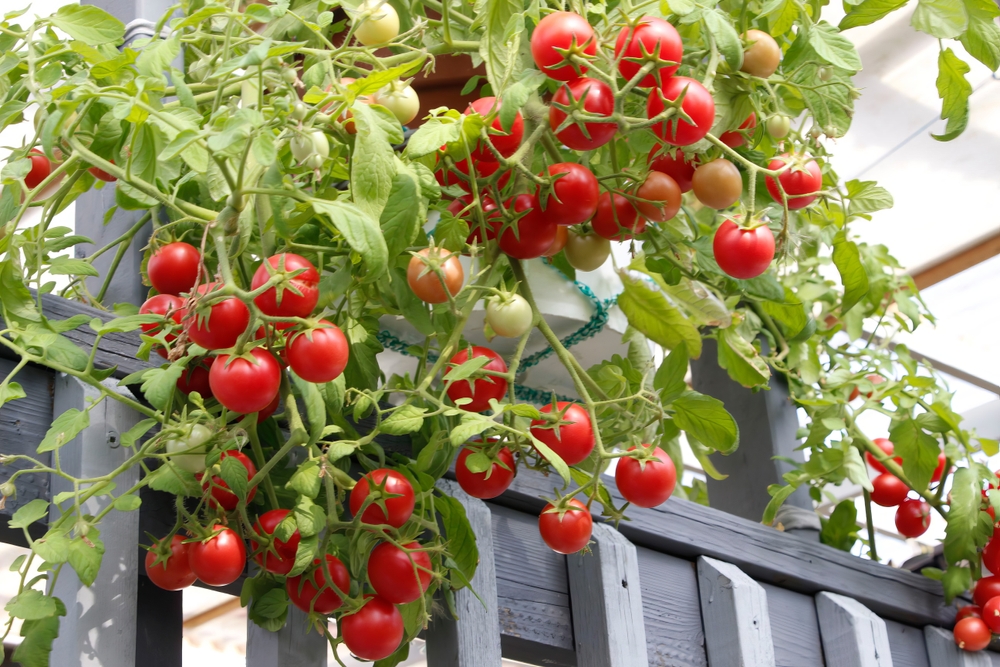
A plain concrete patio no longer needs to sit empty with nothing more than a lonely chair and a forgotten grill. Across the country, people now fill those overlooked spaces with tomatoes, peppers, herbs, strawberries, and leafy greens that produce fresh harvests just steps from the kitchen. That simple shift transforms an ordinary outdoor area into something useful, colorful, and surprisingly productive.
The appeal reaches far beyond saving a few dollars at the grocery store. Growing food on a patio brings fresh flavors within arm’s reach, encourages people to spend more time outdoors, and creates a satisfying hobby that rewards patience with every harvest. Even renters and homeowners with very little yard space can join the movement because a few containers often accomplish far more than most people expect.
Small Spaces Can Produce Big Harvests
A patio offers one major advantage that many traditional gardens cannot match. Gardeners control nearly every growing condition by choosing the right containers, quality potting mix, and the perfect sunny location for each plant. Instead of battling poor native soil or digging large beds, they simply place pots where vegetables receive at least six to eight hours of sunlight each day. That flexibility makes gardening feel much less intimidating for beginners and gives experienced growers room to experiment with different crops. Many people discover that a handful of well-managed containers produces enough herbs and vegetables to keep summer meals full of fresh ingredients.
Container gardens also invite creativity in ways that in-ground gardens sometimes cannot. Tall tomato cages add height, hanging baskets spill over with strawberries, and colorful ceramic pots turn practical vegetables into decorative features. A row of basil, parsley, and chives beside the patio door looks attractive while making dinner preparation much easier. Every container becomes another opportunity to combine beauty with fresh food instead of treating vegetables as something that belongs only in a distant backyard plot.
The Right Plants Make All the Difference
Not every vegetable enjoys life inside a container, but plenty of favorites perform remarkably well. Tomatoes, peppers, lettuce, spinach, bush beans, radishes, carrots with shorter roots, and many herbs grow happily in appropriately sized pots with consistent watering. Compact or dwarf varieties often deliver excellent harvests because breeders developed them specifically for smaller spaces. Choosing the correct container size matters just as much as choosing the plant because crowded roots limit growth and reduce production.
Water management quickly becomes the biggest lesson for most patio gardeners. Containers dry much faster than garden beds, especially during hot, windy weather, so checking moisture every day keeps plants healthy and productive. A high-quality potting mix holds moisture while still draining well, preventing roots from sitting in soggy conditions that encourage disease. Adding mulch on top of the soil also slows evaporation and helps maintain more consistent moisture throughout the day.
Patios Bring Gardening Closer to Everyday Life
Convenience often explains why patio food gardens stick around long after the novelty wears off. When vegetables grow just outside the back door, people notice problems sooner, water more consistently, and harvest produce at its peak instead of forgetting about distant garden beds. Walking outside to snip fresh basil for pasta or pick lettuce for lunch takes only a minute, making homegrown ingredients part of everyday routines rather than special occasions. That easy access also encourages children to become curious about where food comes from because they can watch tomatoes ripen or carrots grow almost every day.
The patio itself becomes more inviting as edible plants fill the space with color and texture. Bees visit flowering herbs, butterflies stop by blooming vegetables, and fragrant leaves release pleasant aromas with every gentle breeze. Friends gathering for a barbecue suddenly find themselves admiring peppers instead of patio furniture. The garden quietly changes how people use the space without requiring a major renovation or expensive landscaping project.
Success Depends on Simple Habits, Not Fancy Equipment
A productive patio garden does not require elaborate irrigation systems or shelves filled with specialized gadgets. Consistent watering, occasional feeding with a balanced fertilizer designed for vegetables, regular harvesting, and plenty of sunlight accomplish most of the work. Gardeners should also inspect leaves every few days for aphids, caterpillars, or signs of fungal disease because catching small problems early prevents much bigger headaches later. Healthy plants respond quickly to good care, especially when gardeners remove damaged leaves and harvest ripe vegetables regularly.
One common mistake deserves attention because it catches many beginners by surprise. Filling containers with ordinary garden soil usually creates compacted, poorly drained conditions that make roots struggle. Potting mix stays lighter, drains more effectively, and gives container-grown vegetables the environment they need for steady growth. That one simple choice often separates a frustrating season from a rewarding one filled with fresh produce.
A Patio Full of Possibilities
Empty patios no longer need to serve as little more than storage space for outdoor furniture. With a few containers, the right plants, and consistent care, almost any sunny patio can become a productive source of herbs, vegetables, and fruit throughout the growing season. The process rewards gardeners with fresher flavors, more time outdoors, and the quiet satisfaction that comes from harvesting food just steps from the kitchen. Every tomato picked warm from the vine and every handful of fresh herbs reminds people that even the smallest outdoor space can produce something meaningful. One container often sparks another, and before long, an ordinary patio transforms into the most popular spot around the house.
What would be the first fruit, vegetable, or herb you’d grow on your patio? Give us your favorite choices and gardening plans in the comments.
You May Also Like…
Why Backyard Gardening Is Becoming a Retirement Hobby Boom
The Backyard Trend That’s Making Outdoor Living More Affordable
7 Gardening Habits That Could Be Hurting Pollinators
Why More People Are Turning Tiny Yards Into Productive Gardens
Why So Many Gardeners Are Ditching Traditional Lawns in 2026

Brandon Marcus is a staff writer for FrugalGardening.com at District Media, Inc., where he delivers practical gardening advice with a relatable, no-nonsense style. An avid amateur gardener, he holds a BA degree and with over ten years of professional writing experience, he is also an award-winning published author whose first book, Questions For Deep Thinkers, was released by Adams Media. His work has appeared in major publications including Fandom.com, CHUD.com, TheColdWire.com, and Fansided.com.
Leave a Reply