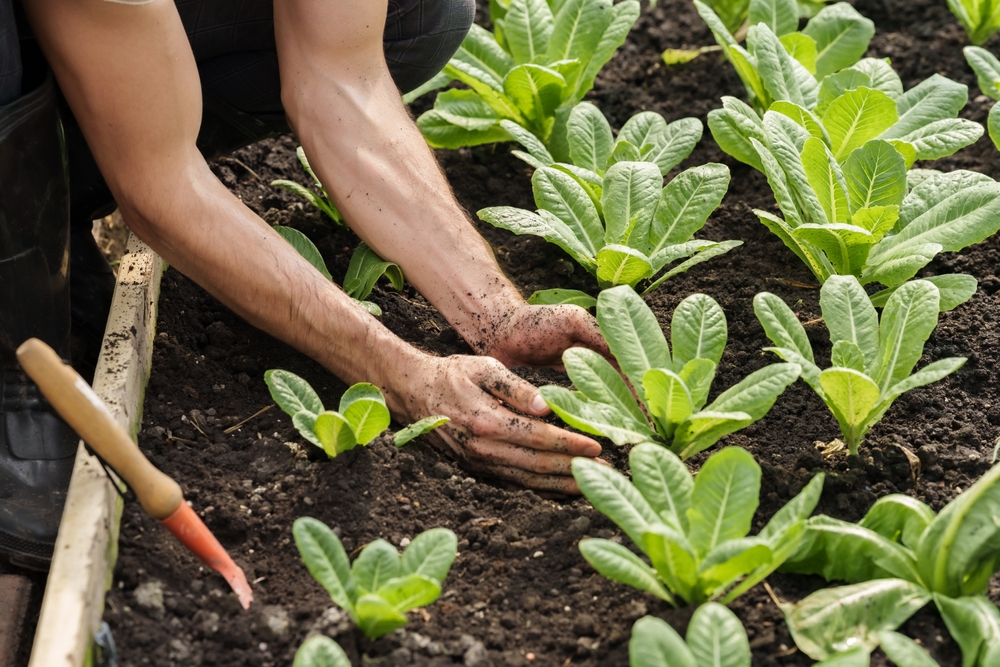
Starting a vegetable garden can feel like standing in front of a giant seed rack with no clue where to begin. The good news is that some vegetables practically cheer new gardeners along, rewarding even a few simple efforts with fresh harvests. Choosing the right crops from the start makes the whole experience more enjoyable and helps avoid the disappointment of finicky plants that demand constant attention.
The secret isn’t having a green thumb. It comes down to picking vegetables that forgive small mistakes, grow quickly, and keep producing without endless fuss. Fill a few containers or a small raised bed with these reliable favorites, and the first growing season can quickly become the beginning of a lifelong gardening hobby.
1. Leaf Lettuce Delivers Fast Results
Nothing builds gardening confidence quite like harvesting dinner straight from the backyard only a few weeks after planting. Leaf lettuce sprouts quickly, grows in cool weather, and keeps producing when gardeners harvest only the outer leaves. Instead of waiting months for a reward, fresh salads can become part of the weekly menu before summer reaches full swing. Watching new leaves replace the ones just picked never gets old.
Leaf lettuce also handles containers beautifully, making it perfect for patios and balconies. Afternoon shade actually helps during hot weather because it slows bolting, which causes leaves to become bitter. A steady supply of water keeps the foliage crisp and tender. Planting a small row every couple of weeks stretches the harvest much longer than sowing everything at once.
2. Radishes Love to Beat the Clock
Some vegetables test patience, but radishes race toward the finish line. Their quick growth makes them one of the most satisfying crops for beginners because results appear almost overnight. Pulling up the first bright red root always feels a bit like digging for buried treasure. Every harvest brings a little surprise since the best part grows underground.
Loose soil gives radishes plenty of room to develop smooth, round roots. Crowded seedlings often produce tiny or oddly shaped vegetables, so thinning them early pays off later. They also prefer cooler temperatures, making spring and fall ideal planting seasons. A packet of seeds can provide several rounds of harvest throughout the year.
3. Bush Beans Keep Giving
Bush beans ask for very little and give plenty in return. Once warm weather settles in, the plants grow quickly and begin filling with crisp green pods that seem to appear all at once. One day the plants look leafy, and a few mornings later they suddenly need harvesting. That kind of surprise keeps gardeners checking the garden every day.
Regular picking encourages even more beans to develop. The plants stay compact, which makes them easy to fit into small gardens without taking over the entire space. Bush beans also improve garden soil by working with beneficial bacteria that naturally add nitrogen around their roots. They quietly help neighboring plants while producing delicious harvests of their own.
4. Zucchini Rarely Knows When to Quit
Every neighborhood seems to have one gardener quietly leaving extra zucchini on friends’ front porches. That happens because healthy zucchini plants produce generously once they get started. A couple of plants often provide more squash than a small family expects. The biggest challenge usually involves keeping up with the harvest rather than waiting for it.
Picking zucchini while the fruits remain fairly small improves flavor and encourages additional production. Large leaves shade the soil, helping retain moisture during warm spells. Good airflow between plants also reduces disease problems. Give zucchini a little elbow room, and it rewards the effort with basket after basket of fresh squash.
5. Green Onions Earn Their Space
Green onions might not steal the spotlight, but they quietly become one of the handiest vegetables in the garden. They fit into tiny spaces, grow well in containers, and add fresh flavor to everything from soups to baked potatoes. Their upright leaves also make harvesting wonderfully simple. Just snip what is needed and head back to the kitchen.
Many gardeners leave the roots in place after cutting the tops, allowing new growth to appear again. That simple habit stretches the usefulness of every planting. Green onions also mature relatively quickly, making them an easy confidence booster for beginners. They ask for little beyond sunshine and consistent moisture.
6. Kale Stays Productive for Months
Kale handles cool weather like a champion and often tastes even sweeter after a light frost. Instead of producing one harvest and calling it a season, the plants continue sending out new leaves for months. Picking the older outer leaves keeps fresh growth coming from the center. It almost feels like the plant refuses to quit.
Many insects ignore kale less than gardeners would prefer, so checking leaves regularly helps catch small problems before they spread. Lightweight row covers offer excellent protection if cabbage worms become frequent visitors. Even with occasional pest patrol, kale remains one of the easiest leafy vegetables to grow. It rewards steady care with dependable harvests long after many summer crops fade.
7. Cherry Tomatoes Build Gardening Confidence
Cherry tomatoes seem determined to reward even beginners with handful after handful of sweet fruit. Their smaller size allows them to ripen faster than many larger tomato varieties, keeping excitement high throughout summer. Walking past the plant often turns into an impromptu snack break. Few vegetables disappear from the garden quite as quickly.
Strong cages or sturdy stakes keep the vines upright and improve air circulation. Watering at the base instead of wetting the leaves also helps reduce disease issues. Plenty of sunshine fuels the best production, so choose the brightest location available. Before long, the harvest bowl fills faster than expected.
8. Swiss Chard Brings Color and Reliability
Swiss chard deserves far more attention than it usually receives. Bright stems in shades of yellow, red, pink, and orange turn vegetable gardens into colorful displays while producing nutritious leaves all season. It handles both warm and cool conditions surprisingly well, making it one of the most dependable choices for beginners. Beauty and practicality rarely share the same plant so successfully.
Harvesting the outer leaves encourages fresh growth from the center, allowing one planting to produce for months. Swiss chard also grows happily in raised beds, containers, or traditional gardens. Its colorful appearance often sparks conversations with neighbors who mistake it for an ornamental plant. Then comes the fun part of explaining that dinner is growing right beside the flowers.
Every Great Gardener Starts With One Good Harvest
Nobody masters vegetable gardening in a single season, and nobody needs to. Starting with forgiving, productive vegetables makes learning enjoyable instead of frustrating. Each successful harvest teaches something new, whether it involves watering, spacing, or simply noticing how plants change from week to week. Before long, that first small garden becomes the place everyone visits to admire fresh vegetables and swap growing tips.
Which beginner-friendly vegetable gave you your first successful harvest, or which one are you excited to plant this season? Share your gardening stories in the comments below.
You May Also Like…
9 Vegetables That Grow Better Than Expected in Small Spaces
7 Vegetables You Should Start Planting Before July Hits
The Secret to a Non-Stop Summer Harvest? These 7 Vegetables
Why Backyard Gardening Is Becoming a Retirement Hobby Boom
The Gardening Warning Experts Are Issuing About Extreme Summer Heat

Brandon Marcus is a staff writer for FrugalGardening.com at District Media, Inc., where he delivers practical gardening advice with a relatable, no-nonsense style. An avid amateur gardener, he holds a BA degree and with over ten years of professional writing experience, he is also an award-winning published author whose first book, Questions For Deep Thinkers, was released by Adams Media. His work has appeared in major publications including Fandom.com, CHUD.com, TheColdWire.com, and Fansided.com.
Leave a Reply