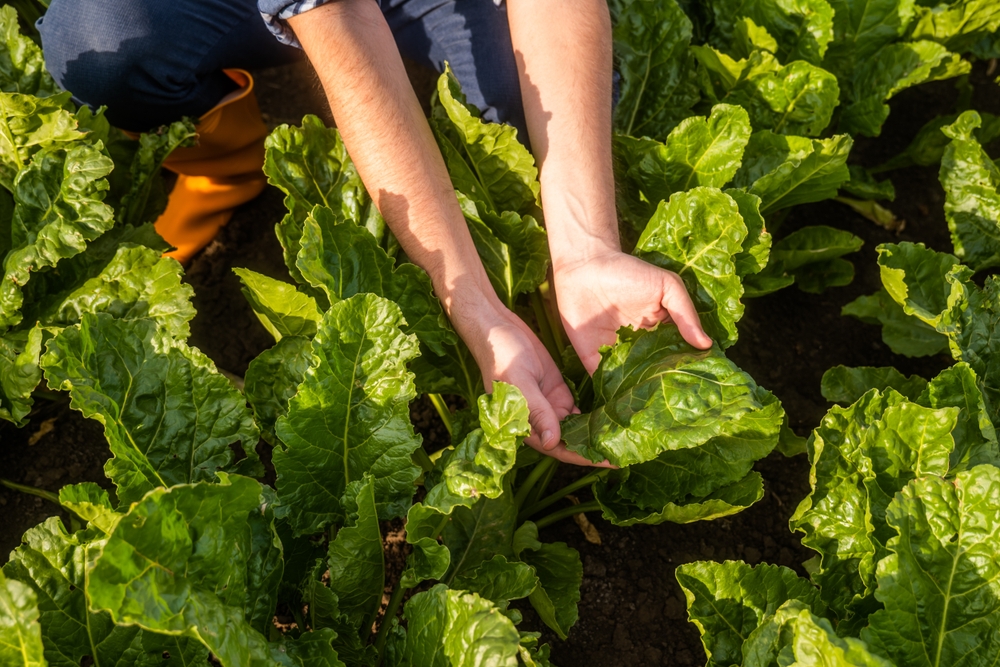
Small spaces often intimidate new gardeners, but they quietly offer some of the most productive growing conditions around. A sunny balcony, narrow patio, or even a few well-placed containers can turn into a surprisingly generous vegetable patch. Many plants actually prefer the controlled environment that containers provide, especially when soil quality and watering stay consistent.
With the right choices, compact gardens can produce crisp greens, sweet fruiting crops, and fast harvests that keep kitchens stocked. The secret lies in picking vegetables that reward close quarters with big results. These nine options consistently outperform expectations and bring plenty of flavor to tight growing areas.
1. Lettuce Brings Fast, Fresh Harvests in Tight Containers
Lettuce grows quickly, making it one of the most satisfying crops for small spaces. Shallow containers work perfectly because lettuce roots stay relatively compact and shallow. Loose leaf varieties allow repeated harvesting, which keeps salads coming for weeks. Cool temperatures help leaves stay tender and flavorful, especially in spring and fall. A steady watering routine prevents bitterness and keeps growth consistent.
Even a windowsill planter can produce enough greens for daily meals. Lettuce also pairs well with taller plants since it does not compete for vertical space. Gardeners often tuck it around tomatoes or peppers in mixed containers. Frequent trimming encourages fresh growth and prevents overcrowding. Few vegetables deliver such fast returns with so little space required.
2. Radishes Deliver Speedy Results in Small Beds
Radishes mature quickly, often ready to harvest in under a month. Their small root systems make them ideal for shallow soil and tight spacing. Containers with at least six inches of depth work well for most varieties. Crisp texture and peppery flavor reward gardeners who enjoy quick wins. Consistent watering keeps roots tender instead of woody.
Radishes also help loosen compacted soil with their growing action. This makes them useful companions for slower-growing crops nearby. Succession planting ensures a steady supply throughout the season. Many gardeners use them to fill gaps in container arrangements. Their speed and reliability make them a favorite for beginner gardeners.
3. Cherry Tomatoes Turn Small Spaces into Fruit Factories
Cherry tomatoes adapt beautifully to containers and vertical supports. Compact or determinate varieties stay manageable while still producing generous clusters. Stakes or cages help guide growth upward and save valuable floor space. Warm sunlight encourages sweeter fruit and steady production. Regular pruning improves airflow and keeps plants healthy.
Balcony gardeners often see impressive yields from just one or two plants. Consistent feeding supports heavy fruit production throughout summer. Containers should allow deep root development for best results. Harvesting often encourages more fruit to form. Few crops bring as much reward to small gardens as cherry tomatoes.
4. Spinach Packs Nutrients into Compact Growing Areas
Spinach grows best in cool conditions, making it perfect for early spring or fall containers. Its shallow roots allow dense planting in small trays or pots. Leaves can be harvested young for tender salads or cooked dishes. Regular picking encourages continuous regrowth. Moist soil keeps leaves soft and flavorful.
Spinach also tolerates partial shade, which benefits urban balconies. It pairs well with taller plants that provide light filtering. Compact spacing allows high yields from limited space. Many gardeners rotate spinach between faster crops to maximize container use. Its versatility makes it a staple for small gardens.
5. Green Onions Stretch Space with Vertical Growth
Green onions grow upright, making excellent use of narrow containers. They require minimal soil depth and adapt well to crowded conditions. Regrowing from kitchen scraps adds extra value for frugal gardeners. Regular trimming keeps them productive for extended periods. Their mild flavor enhances countless dishes.
These onions also mix easily with other vegetables in shared containers. Their slender form leaves room for bulkier plants nearby. Continuous harvesting supports long-term use without replanting. Even small pots on a kitchen counter can support steady growth. Few vegetables offer such flexibility in tight spaces.
6. Peppers Bring Colorful Productivity to Containers
Peppers, both sweet and spicy, adapt well to pots with good drainage. Compact varieties stay manageable while producing bright, flavorful fruit. Warm weather supports strong flowering and fruit set. Support stakes help prevent branches from bending under weight. Regular feeding encourages steady production.
Balconies with strong sunlight often produce especially vibrant pepper harvests. Plants respond well to consistent watering schedules. Even a single container can supply months of peppers. Mixing varieties adds visual interest and culinary variety. Their resilience makes them a smart choice for limited spaces.
7. Carrots Surprise with Deep-Yet-Compact Growth
Short or round carrot varieties grow well in deeper containers. Loose, sandy soil allows roots to develop smoothly without obstruction. Consistent moisture prevents cracking and uneven growth. Thinning seedlings ensures proper spacing for healthy roots. Harvest timing affects sweetness and texture.
Containers give gardeners control over soil quality, which carrots appreciate. Raised beds or deep pots prevent crowding issues common in garden soil. Carrots also pair well with leafy greens in mixed plantings. Their hidden growth makes harvest time especially exciting. Even small spaces can yield impressive root crops.
8. Bush Cucumbers Maximize Vertical Potential
Bush cucumber varieties eliminate the need for sprawling vines. Compact growth habits make them ideal for balcony containers. Trellises still help support fruit and improve air circulation. Warm temperatures encourage steady flowering and fruiting. Regular harvesting prevents overripening and supports continued production.
Even limited square footage can support multiple plants when trained vertically. Containers should provide enough depth for strong root systems. Consistent watering prevents bitter fruit development. Bush varieties reduce maintenance compared to traditional cucumbers. They bring garden freshness to even the smallest patios.
9. Kale Handles Tight Spaces with Resilient Growth
Kale grows steadily in containers and tolerates cooler temperatures well. Its leaves can be harvested continuously from outer stems. Partial shade does not slow growth significantly. Rich soil supports strong leaf production and flavor. Regular picking keeps plants productive over long periods.
Small containers still produce enough kale for weekly meals. Its sturdy structure holds up well in mixed plantings. Kale also withstands temperature swings better than many greens. Gardeners appreciate its long harvesting window. This resilience makes it a dependable small-space staple.
Small Spaces, Big Harvests Without the Guesswork
Compact gardening proves that limited space does not limit abundance when the right crops get chosen. Each of these vegetables adapts naturally to containers, vertical setups, or tight beds without sacrificing yield. Smart pairing, consistent watering, and proper sunlight placement make all the difference. Even beginners can turn balconies or patios into productive green zones with minimal effort. These plants reward attention with steady harvests and flavorful results.
What vegetables have surprised in small-space gardens, and which ones deserve a spot in the next planting season?
You May Also Like…
8 Vegetables That Produce More Than Most People Expect
10 Easy Vegetables for People Who Think They Kill Every Plant
The Vegetable Gardening Trick That Works Surprisingly Well During Droughts
The Vegetable Gardening Trick That Works Surprisingly Well During Droughts
7 Plants That Help Keep Outdoor Spaces Cooler Naturally

Brandon Marcus is a staff writer for FrugalGardening.com at District Media, Inc., where he delivers practical gardening advice with a relatable, no-nonsense style. An avid amateur gardener, he holds a BA degree and with over ten years of professional writing experience, he is also an award-winning published author whose first book, Questions For Deep Thinkers, was released by Adams Media. His work has appeared in major publications including Fandom.com, CHUD.com, TheColdWire.com, and Fansided.com.
Leave a Reply