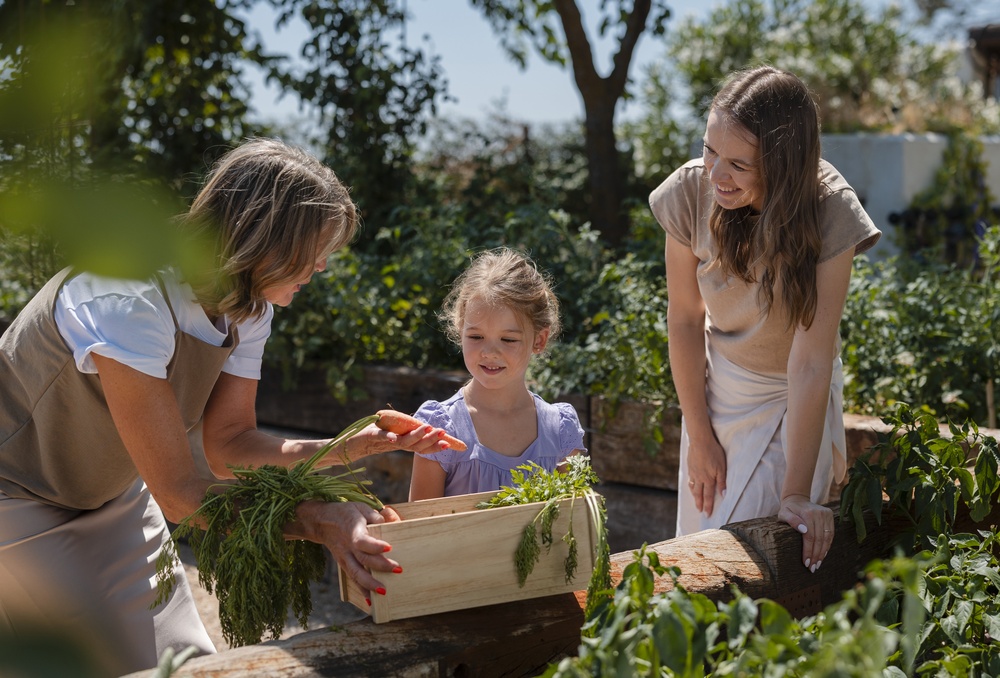
Grocery aisles keep getting more expensive, and many households feel the pressure every time they check out. A quiet shift is gaining momentum in response, and it is reshaping how people think about food at home. Instead of relying only on store-bought produce, more people are turning yards, balconies, patios, and even windowsills into steady sources of fresh food. This movement focuses less on perfection and more on practicality, where a handful of herbs or a few tomato plants can noticeably reduce weekly shopping lists. It also blends creativity with necessity, making gardening feel less like a hobby and more like a practical household strategy.
What makes this trend stand out in 2026 is how accessible it has become for beginners. Gardening no longer belongs only to people with large backyards or years of experience. Simple setups, recycled containers, and compact growing methods now allow almost anyone to participate. The real appeal comes from control, since growing even a small portion of food at home creates a buffer against rising grocery costs.
The Rise of the Home Food Garden Mindset
The home food garden mindset focuses on treating edible plants as a regular part of household planning. Instead of decorative-only gardening, people now prioritize crops they can actually eat and cook with. Herbs, leafy greens, peppers, and compact fruiting plants often take center stage because they produce quickly and fit into small spaces. This shift changes how people view their living space, since even a sunny windowsill becomes part of the kitchen economy. The goal centers on convenience, freshness, and reducing the number of last-minute grocery runs.
This mindset also encourages smarter meal planning throughout the week. When fresh ingredients sit just steps away, cooking at home becomes easier and more flexible. Many households begin building meals around what grows outside instead of what sits on a grocery list. That small change reduces food waste and encourages creativity in the kitchen. Over time, it reshapes how people think about food availability and personal responsibility.
Container Gardening Turns Patios Into Mini Grocery Stores
Container gardening drives much of this trend because it works almost anywhere. Buckets, pots, raised planters, and repurposed bins allow people to grow food without traditional garden beds. Tomatoes, lettuce, radishes, and herbs often perform well in containers when placed in sunny spots. This approach works especially well for renters or people living in apartments who still want fresh produce. The flexibility makes gardening feel approachable instead of intimidating.
These small setups quickly start to resemble miniature grocery stations right outside the door. A few pots of basil and parsley can replace store-bought bundles that spoil too quickly in the fridge. Cherry tomatoes growing on a balcony can supply snacks throughout the season without repeated purchases. Even small harvests create a noticeable reduction in produce spending over time. The key lies in choosing crops that produce often and match everyday cooking habits.
Seed Swapping and Smart Plant Choices That Stretch Budgets
Seed swapping communities continue to grow because they help reduce startup costs for home gardens. Instead of buying new seed packets every season, gardeners exchange extras with neighbors or local groups. This creates variety without increasing expenses, which keeps gardening accessible for more households. It also builds a sense of community around food growing, where knowledge and resources circulate freely. Many gardeners discover new plant varieties they would never have purchased on their own.
Smart plant selection also plays a major role in keeping grocery bills lower. Fast-growing crops like lettuce and spinach provide repeated harvests without long wait times. Perennial herbs return year after year, reducing the need to replant constantly. Choosing high-yield vegetables means fewer trips to the store for small but frequent purchases. Over time, these decisions compound into meaningful savings while keeping meals fresh and varied.
Kitchen Scrap Gardening and Year-Round Growing Hacks
Kitchen scrap gardening adds another layer of savings by turning leftovers into new plants. Green onions regrow in water, lettuce bases sprout fresh leaves, and celery stumps often regenerate with surprising consistency. These simple techniques reduce waste while extending the value of groceries already purchased. Many households start experimenting with scraps just for fun and quickly notice how useful the results become. It creates a cycle where less gets thrown away and more gets reused.
Year-round growing methods also support this trend by extending harvest periods beyond traditional seasons. Indoor grow lights and small hydroponic systems allow herbs and greens to grow during colder months. This keeps fresh ingredients available without relying solely on store prices during winter. It also helps maintain cooking habits that depend on fresh produce instead of frozen substitutes. The result feels like a steady supply of small but meaningful savings throughout the year.
How This Trend Actually Cuts Grocery Pressure in Real Life
This gardening trend reduces grocery pressure by shifting part of food production into everyday living spaces. Even small yields, such as a few handfuls of herbs or a steady stream of salad greens, reduce reliance on store shelves. Households notice fewer impulse purchases because ingredients already exist at home. That change influences both budgeting and meal planning in practical ways. Over time, the savings grow quietly but consistently.
This movement also builds resilience against unpredictable food costs. When prices rise, home gardens soften the impact by filling in gaps. People gain confidence in their ability to produce at least some of what they eat. It does not eliminate grocery shopping, but it changes its role in daily life. Instead of being the only source of food, stores become one part of a more balanced system.
What could a small home garden change for your grocery habits if you embraced it this year?
You May Also Like…
Why More Homeowners Are Planting Fruit Trees Again
Why Americans Are Spending Less on Landscaping and More on Food Gardens
8 Foods You Can Regrow From Grocery Store Scraps
7 Plants That Could Be Damaging Your Home’s Foundation
Why Gardening Content Is Suddenly Dominating Social Media Again

Brandon Marcus is a staff writer for FrugalGardening.com at District Media, Inc., where he delivers practical gardening advice with a relatable, no-nonsense style. An avid amateur gardener, he holds a BA degree and with over ten years of professional writing experience, he is also an award-winning published author whose first book, Questions For Deep Thinkers, was released by Adams Media. His work has appeared in major publications including Fandom.com, CHUD.com, TheColdWire.com, and Fansided.com.
Leave a Reply