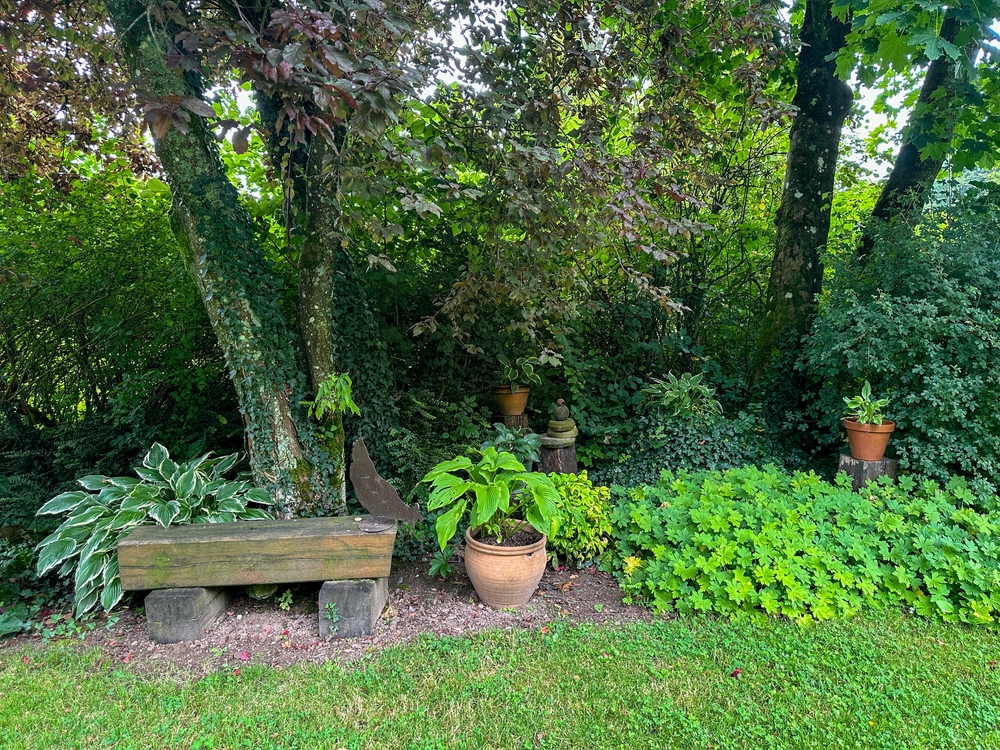
Backyards transform fast when the right plants step in and start blocking harsh sunlight. Instead of relying only on umbrellas or bulky patio covers, certain trees, shrubs, and vines build living shade that feels cooler and more natural. These plants don’t just reduce heat—they also add texture, color, and movement that make outdoor spaces feel inviting all day long.
A well-planned mix can turn a sunbaked yard into a comfortable retreat where seating areas stay usable even in peak summer hours. The best part comes from choosing plants that grow with personality while still serving a practical purpose.
1. Japanese Maple Brings Dappled Elegance
Japanese maple creates soft, filtered shade that works beautifully in smaller yards where heavy canopy trees would overwhelm the space. Its finely cut leaves scatter sunlight in a way that keeps patios bright without feeling harsh or hot. Gardeners often place it near seating areas to enjoy both cooling shade and striking seasonal color changes.
The tree stays relatively compact, which makes it easier to position in tight landscapes. Over time, it becomes a focal point that blends beauty with practical relief from direct sun.
2. Bamboo Forms Fast-Growing Living Screens
Bamboo grows quickly and creates dense vertical shade that works well for privacy and cooling at the same time. Its tall stalks block direct sunlight while still allowing a light breeze to pass through, which helps keep outdoor areas comfortable. Clumping varieties work best for backyard use because they stay contained and easier to manage.
Planted in rows, bamboo forms a natural wall that transforms open spaces into sheltered corners. Many homeowners use it to soften fence lines and create shaded walkways.
3. Arborvitae Builds Evergreen Shade Walls
Arborvitae delivers thick, year-round greenery that blocks sun and wind at the same time. Its dense foliage creates a living barrier that works well along property edges or behind patios. Unlike deciduous trees, it keeps its coverage even in winter, which adds structure during all seasons. Planted close together, these trees form a continuous screen that feels like a green fence. They also require minimal shaping, which makes them a low-maintenance choice for long-term shade planning.
4. Hydrangea Adds Layered Shrub Shade
Hydrangeas create low to mid-level shade that works beautifully when layered beneath taller trees or along house foundations. Their large blooms and broad leaves soften sunlight and reduce glare in nearby sitting areas. These shrubs prefer partial shade themselves, so they naturally fit into areas that already need cooling cover.
Grouped together, they form colorful clusters that double as living shade accents. Their seasonal blooms also keep the landscape visually interesting while still serving a practical role.
5. Magnolia Creates Bold Canopy Coverage
Magnolia trees deliver broad, thick leaves that cast strong shade across yards and garden spaces. Their wide canopy spreads gradually but eventually forms a powerful cooling zone underneath. Large flowers add extra visual impact, turning shaded areas into standout garden spots.
These trees work best when given space to expand without crowding structures or other plantings. Once established, they anchor outdoor spaces with both structure and relief from intense sunlight.
6. Wisteria Builds Cascading Pergola Shade
Wisteria transforms pergolas, arches, and trellises into living shade structures filled with cascading blooms. Its vigorous vines climb quickly and spread across overhead frames, creating natural ceilings of filtered light. Once fully established, it produces thick coverage that cools seating areas beneath it. Gardeners often train it carefully to control growth while maximizing shade potential. The combination of structure and flowers makes outdoor spaces feel both romantic and functional.
7. Red Maple Delivers Broad Summer Shade
Red maple grows into a strong shade tree with a wide canopy that blocks intense summer sunlight. Its fast growth compared to other large shade trees makes it a popular choice for homeowners seeking quicker results. The leaves turn vibrant shades in autumn, adding seasonal interest beyond its cooling role. Once mature, it can significantly reduce heat in surrounding outdoor areas. Proper spacing ensures its roots and canopy develop without interfering with nearby structures.
8. Oak Tree Provides Long-Term Shade Power
Oak trees create some of the most dependable and expansive shade available in backyard landscapes. Their thick branches and wide canopy develop slowly but deliver long-lasting coverage for generations. Once established, they reduce ground temperatures noticeably beneath their reach. Acorns and sturdy structure add character while supporting wildlife activity around the yard. Homeowners often plant oaks as long-term investments in comfort and natural cooling.
Shade That Shapes Outdoor Living Spaces
Natural shade plants do more than block sunlight—they reshape how outdoor spaces feel and function. A thoughtful mix of trees, shrubs, and vines can cool patios, soften harsh light, and create inviting areas for relaxation. Each plant brings its own rhythm, from fast-growing bamboo screens to the steady reach of an oak canopy. Smart placement turns ordinary yards into layered, comfortable environments that stay usable throughout warm seasons. Choosing the right combination helps build outdoor spaces that feel balanced, shaded, and naturally inviting.
Which of these shade plants would you add to your backyard first, and why? Share your thoughts and ideas in the comments.
You May Also Like…
The Orchard Hack: How to Grow Fruit Trees from Grocery Store Scraps
Why Native Plants Are Taking Over American Yards
7 Common Mulching Mistakes That Kill Plants Fast
10 Backyard Bugs You Never Want to Ignore
The Gardening Trend Younger Homeowners Are Bringing Back From the 1970s

Brandon Marcus is a staff writer for FrugalGardening.com at District Media, Inc., where he delivers practical gardening advice with a relatable, no-nonsense style. An avid amateur gardener, he holds a BA degree and with over ten years of professional writing experience, he is also an award-winning published author whose first book, Questions For Deep Thinkers, was released by Adams Media. His work has appeared in major publications including Fandom.com, CHUD.com, TheColdWire.com, and Fansided.com.
Leave a Reply