Summer sunshine can turn a garden into a paradise or a crispy disaster, depending on what grows in the soil. Some plants wilt the second temperatures climb past 90 degrees, while others throw a full-blown garden party in the middle of a heat wave. Smart gardeners know the secret lies in choosing varieties that actually crave hot weather instead of merely surviving it. The right selections keep flower beds colorful, vegetable patches productive, and watering bills from spiraling out of control during brutal American summers.
Heat-loving plants also solve one of the biggest frustrations in gardening: burnout. Nobody wants to spend July babying droopy flowers that collapse by lunchtime or vegetables that stop producing the moment humidity arrives. Tough warm-weather performers handle blazing sun, dry spells, and steamy afternoons without demanding constant attention.
1. Zinnias Bring Nonstop Color Through Brutal Heat
Zinnias absolutely dominate summer flower beds because they bloom harder as temperatures rise and sunshine intensifies. Gardeners across the southern United States rely on these cheerful flowers because they tolerate drought surprisingly well once roots establish themselves in the soil. Their bright shades of orange, pink, red, yellow, and white create a bold display that keeps pollinators buzzing from early summer into fall. Butterflies flock to zinnias during hot afternoons when many other flowers stop producing nectar altogether. These flowers also resist many common summer gardening problems that plague fussier ornamental plants.
A packet of zinnia seeds delivers incredible value because the plants germinate quickly and bloom within weeks during warm weather. Many experienced gardeners scatter seeds directly into flower beds after the last frost rather than bothering with indoor seed trays or greenhouse starts. Deadheading spent flowers encourages even more blooms and keeps the plants looking fresh through scorching stretches of weather above 95 degrees. Taller varieties work beautifully as cut flowers for kitchen tables and backyard parties throughout summer. Powdery mildew can occasionally appear during humid weather, but proper spacing and morning watering help prevent most issues before they start.
2. Okra Thrives When Temperatures Climb Into Triple Digits
Okra practically laughs at heat waves that make lettuce bolt and tomatoes sulk. This southern garden staple grows faster and stronger as temperatures climb higher, which explains why gardeners in states like Texas, Georgia, and Louisiana swear by it every summer. The plants develop striking hibiscus-like flowers before producing tender green pods that taste fantastic fried, grilled, roasted, or added to gumbo. Many gardeners even grow okra strictly for ornamental value because the tall plants add dramatic texture to vegetable gardens. Unlike delicate crops that need shade cloth during heat spikes, okra keeps producing through relentless sunshine.
Gardeners should harvest okra pods while they remain small and tender because oversized pods quickly turn woody and tough. Picking every day during peak summer heat encourages plants to produce continuously until fall temperatures finally cool down. Okra roots dive deep into the soil, allowing the plants to handle dry periods better than many common vegetables. Raised beds with loose soil help maximize growth and improve drainage during heavy summer thunderstorms. Some modern varieties even produce spineless pods, which makes harvesting much easier for gardeners tired of prickly stems scratching their arms.
3. Lantana Turns Hot Garden Beds Into Butterfly Magnets
Lantana shines brightest during the hottest months of the year when countless other flowers start fading fast. This rugged flowering plant thrives in blistering sunshine and poor soil conditions that would send high-maintenance annuals into a dramatic decline. Clusters of tiny flowers bloom in vibrant combinations of orange, pink, red, yellow, and purple while attracting butterflies by the dozens. Landscapers frequently use lantana along sidewalks, parking lots, and commercial spaces because the plants tolerate heat, drought, and neglect with impressive reliability. Gardeners who travel frequently appreciate lantana because it rarely throws a tantrum during missed watering sessions.
Many lantana varieties spread outward beautifully, making them excellent choices for hanging baskets, retaining walls, or sunny borders. Once established, the plants require very little supplemental watering except during extreme drought conditions. Garden centers now offer sterile varieties that bloom heavily without producing invasive seeds, which solves a major concern in warmer regions. Trimming plants lightly during midsummer keeps them compact and encourages another massive flush of blooms. Deer and rabbits also tend to avoid lantana, giving frustrated gardeners one less battle to fight during the growing season.
4. Peppers Produce Better Flavor in Serious Summer Heat
Peppers absolutely adore warm soil and blazing sunshine, especially hot pepper varieties that originated in tropical climates. Jalapeños, cayennes, banana peppers, and habaneros all ramp up production during long stretches of hot weather when cooler-season crops struggle. Sweet bell peppers also thrive in summer conditions as long as gardeners provide consistent watering during fruit development. Heat actually improves flavor in many pepper varieties by increasing sugar concentration and intensifying spice levels. Few gardening victories feel more satisfying than harvesting baskets of glossy peppers during the peak of August heat.
Gardeners often make the mistake of planting peppers too early in spring when cool nights stunt growth and delay production. Soil temperatures above 70 degrees encourage stronger roots, faster flowering, and healthier plants overall. Mulching around pepper plants helps maintain moisture levels and reduces stress during extreme heat waves. Peppers also grow exceptionally well in large containers placed on sunny patios or decks throughout America’s hottest regions. Regular harvesting encourages plants to keep flowering and producing until the first autumn frost finally arrives.
5. Coneflowers Stay Tough While Looking Wild and Beautiful
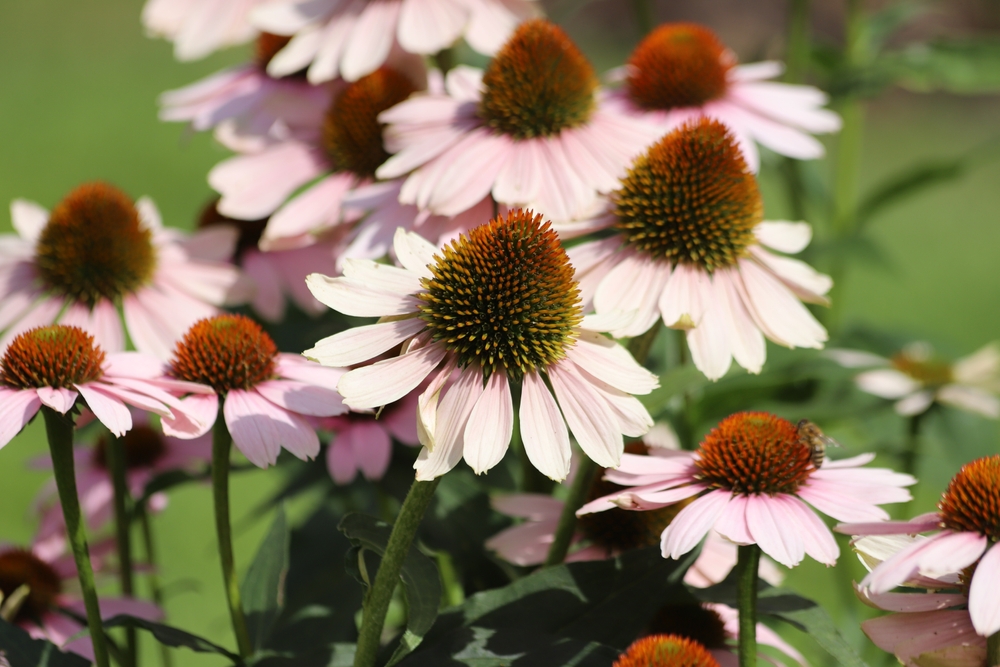
Coneflowers combine rugged durability with the relaxed beauty of a prairie meadow in full bloom. These native perennials handle intense heat and periodic drought without collapsing into crispy disappointment halfway through summer. Their large daisy-like flowers attract bees, butterflies, and songbirds while adding long-lasting color to sunny landscapes. Purple coneflowers remain the classic favorite, but modern varieties now include shades of orange, white, yellow, and deep red. Gardeners looking for low-maintenance beauty often consider coneflowers one of the smartest long-term investments for hot climates.
Once established, coneflowers develop deep roots that help them survive challenging weather conditions year after year. The plants rarely need fertilizer and actually perform better in moderately lean soil than overly rich garden beds. Leaving seed heads intact during fall attracts goldfinches and other birds that snack on seeds through cooler months. Coneflowers also resist many common pests and diseases that frustrate gardeners during humid summers. Dividing mature clumps every few years keeps plants vigorous and allows gardeners to spread color throughout the landscape without spending extra money.
6. Sweet Potatoes Flourish in Steamy Summer Conditions
Sweet potatoes explode with growth during the hottest months of the gardening season and reward patience with a hefty harvest by fall. Unlike traditional potatoes that struggle in extreme heat, sweet potatoes thrive in warm soil and humid weather. Their sprawling vines quickly cover garden beds, helping suppress weeds while creating an attractive groundcover effect. Many gardeners even grow ornamental sweet potato vines in containers because the colorful foliage looks stunning spilling over patio pots. The edible varieties deliver nutrient-rich tubers packed with flavor and impressive storage life.
Gardeners should avoid overwatering sweet potatoes because soggy soil encourages rot and weak root development. Loose, sandy soil allows tubers to expand properly and makes harvesting much easier once vines begin yellowing in autumn. Slips planted after soil temperatures warm thoroughly usually outperform early plantings exposed to chilly spring nights. Sweet potatoes also tolerate drought better than many root crops once vines establish themselves. A long hot summer often produces the sweetest and most flavorful harvests, especially in southern growing regions.
7. Black-Eyed Susans Keep Summer Landscapes Bright
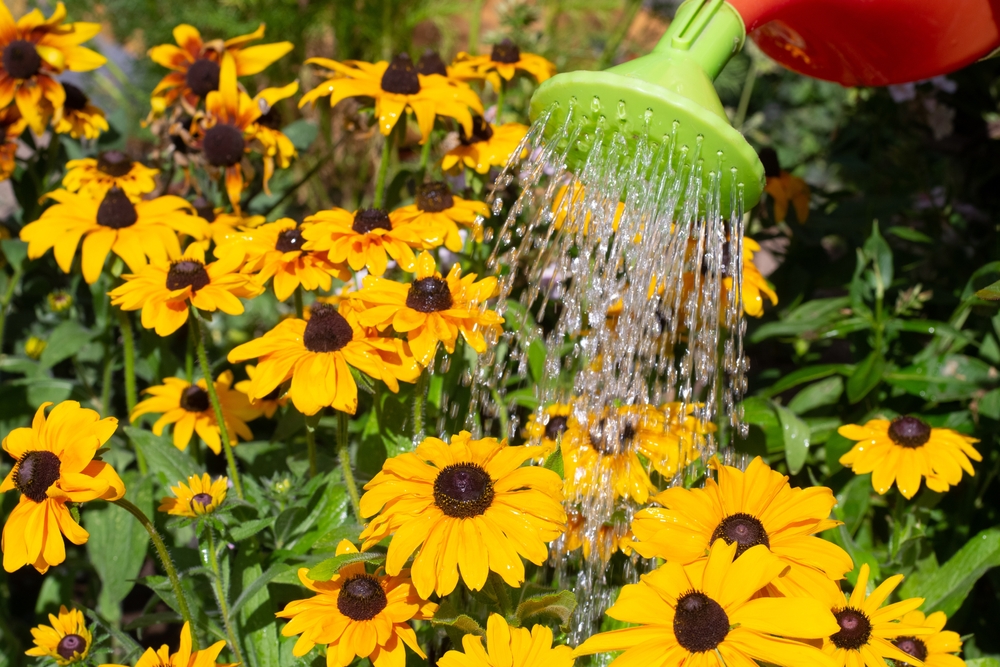
Black-eyed Susans thrive in blazing sunshine and bring cheerful golden color to gardens when midsummer heat starts wearing everything else down. These hardy native flowers bloom for weeks with minimal care and pair beautifully with ornamental grasses, coneflowers, and other prairie-style plants. Pollinators adore the nectar-rich blooms, while birds later feast on the seed heads during late summer and fall. Many gardeners choose Black-eyed Susans for roadside plantings and difficult sunny areas because the plants handle poor soil surprisingly well. Their bright yellow petals create an instant summer atmosphere that feels classic and welcoming.
Established plants tolerate dry conditions with remarkable resilience, although occasional deep watering encourages longer blooming periods. Deadheading faded flowers helps maintain a cleaner appearance and stimulates additional blooms during extended heat. Black-eyed Susans reseed enthusiastically in favorable conditions, gradually filling empty garden spaces with cheerful color year after year. Compact modern cultivars fit beautifully into smaller suburban landscapes without flopping over during storms. These dependable flowers prove that tough plants can still deliver plenty of charm and personality.
8. Rosemary Loves Heat Almost as Much as Gardeners Love Its Flavor
Rosemary thrives in hot, sunny conditions and rewards gardeners with fragrant foliage that smells incredible during summer afternoons. This Mediterranean herb prefers dry conditions over soggy soil, making it an excellent option for gardeners battling intense heat and water restrictions. Its needle-like leaves add bold flavor to grilled meats, roasted vegetables, breads, and homemade herb blends throughout the season. Rosemary shrubs also create an attractive evergreen structure in herb gardens and landscaping beds. During summer, the plant’s aromatic oils become even more concentrated under strong sunshine.
Good drainage matters more than constant watering when growing healthy rosemary plants in warm climates. Containers work especially well because gardeners can control soil conditions and move plants during winter in colder regions. Pruning lightly after flowering keeps the rosemary bushy and prevents woody, leggy growth from taking over the plant. Many gardeners plant rosemary near patios and walkways where brushing against the foliage releases its signature scent into the air. Bees also adore rosemary flowers, making the herb a useful addition to pollinator-friendly gardens.
Hot Gardens Can Still Look Incredible
Summer gardening does not need to feel like a constant battle against scorching temperatures and thirsty plants. The right heat-loving selections transform challenging weather into an opportunity for bold flowers, productive harvests, and lower-maintenance landscapes. Tough performers like zinnias, okra, peppers, lantana, and rosemary prove that some plants actually prefer sizzling sunshine over mild spring conditions. Smart gardeners build stronger landscapes by choosing plants naturally suited for America’s hottest months instead of fighting nature every step of the way. A well-planned heat-friendly garden keeps delivering beauty and flavor long after delicate plants wave the white flag.
Which heat-loving plant performs best in your garden during the dog days of summer?
You May Also Like…
7 Vegetables That Germinate Fast Even in Unpredictable Spring Weather
The Early Heat Trap: Why Sudden Warm Weather Is Stalling Growth
Why Raised Beds Warm Faster and Boost Early Growth
Why Aphids Are Swarming Earlier Than Ever in the Southeast
8 Heat-Resistant Choices That Thrive in High Temperatures

Brandon Marcus is a staff writer for FrugalGardening.com at District Media, Inc., where he delivers practical gardening advice with a relatable, no-nonsense style. An avid amateur gardener, he holds a BA degree and with over ten years of professional writing experience, he is also an award-winning published author whose first book, Questions For Deep Thinkers, was released by Adams Media. His work has appeared in major publications including Fandom.com, CHUD.com, TheColdWire.com, and Fansided.com.
Leave a Reply