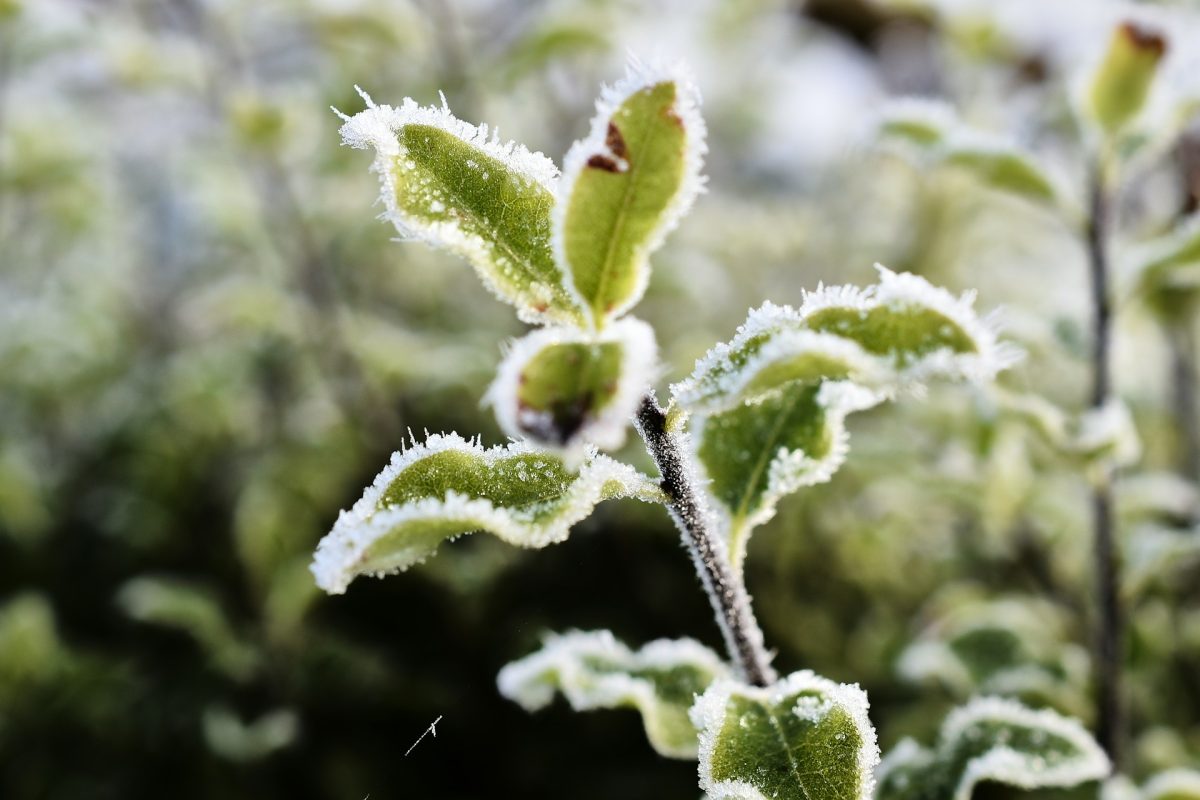
Spring struts in with bright blooms and longer days, yet it often carries a sneaky trick up its sleeve—a late frost that can wipe out tender plants in a single chilly night. Garden beds that looked lush and promising at sunset can greet the morning with wilted leaves and blackened stems. That sudden reversal frustrates even experienced gardeners who thought winter had finally loosened its grip.
Late frost doesn’t play fair, and it doesn’t follow the calendar as neatly as gardeners wish. Smart growers stay alert, because timing means everything when fragile plants sit in harm’s way.
Why Late Frost Still Lingers in Spring
Late frost lingers because weather patterns refuse to follow tidy seasonal boundaries, especially in regions with fluctuating temperatures and unpredictable cold snaps. Warm days encourage plants to sprout early, but cold air masses can sweep in overnight and plunge temperatures below freezing. Areas with higher elevations, inland valleys, and open plains often face greater risk due to rapid heat loss after sunset. Gardeners who rely only on average last frost dates often get caught off guard when a sudden dip hits weeks later. Weather variability has increased over the years, making late frost less predictable and more damaging.
Microclimates add another twist, creating pockets where frost settles even when nearby areas stay safe. Low-lying spots in a yard can trap cold air, forming frost zones that damage plants unevenly across the same garden. Urban areas with concrete and buildings may retain heat longer, while rural gardens cool much faster overnight. A backyard that faces north or lacks wind protection can feel several degrees colder than surrounding spaces. These subtle differences explain why one garden thrives while another just a few blocks away struggles with frost damage.
Which Regions Face the Greatest Risk
Certain regions experience late frost more frequently due to geography and climate patterns that favor temperature swings. Northern states and mountainous areas often see frost well into late spring because cold air lingers longer and snowmelt cools the ground. Interior regions without the moderating effect of large bodies of water also face higher risk since temperatures drop quickly after sunset. Coastal areas generally escape the worst effects, but sudden cold fronts can still create unexpected frost events. Even traditionally mild zones have reported late frost incidents in recent years, highlighting how widespread the risk has become.
Agricultural reports show that frost damage costs growers millions annually, especially in fruit-producing regions where early blossoms get wiped out. Orchards in vulnerable zones often rely on wind machines, heaters, or water sprays to combat freezing conditions. Home gardeners rarely have access to such large-scale solutions, which makes preparation even more important. Weather tracking tools and local forecasts provide critical updates that help gardeners react quickly. Paying attention to regional patterns and historical frost dates can reduce surprises and protect investments in plants.
Plants That Suffer the Most
Tender annuals, young vegetable seedlings, and early-blooming fruit trees take the hardest hit when frost strikes. Tomatoes, peppers, cucumbers, and basil collapse quickly under freezing conditions because their cells cannot withstand ice formation. Blossoms on fruit trees like peaches and cherries often die off during a frost, which eliminates entire harvests before they even begin. Even hardy perennials can struggle if they have already pushed out new growth during a warm spell. Gardeners who rush planting schedules often face the biggest losses when temperatures suddenly drop.
Leaf damage shows up quickly, with blackened edges, mushy stems, and wilted foliage appearing within hours of exposure. Some plants recover if frost damage remains light, but severe exposure usually leads to permanent loss. Seedlings that lack strong root systems rarely bounce back after freezing conditions. Protective measures become essential for any plant that has not fully acclimated to outdoor conditions. Choosing frost-tolerant varieties can reduce risk, but no plant remains completely immune to a hard freeze.
Simple Ways to Protect Your Garden
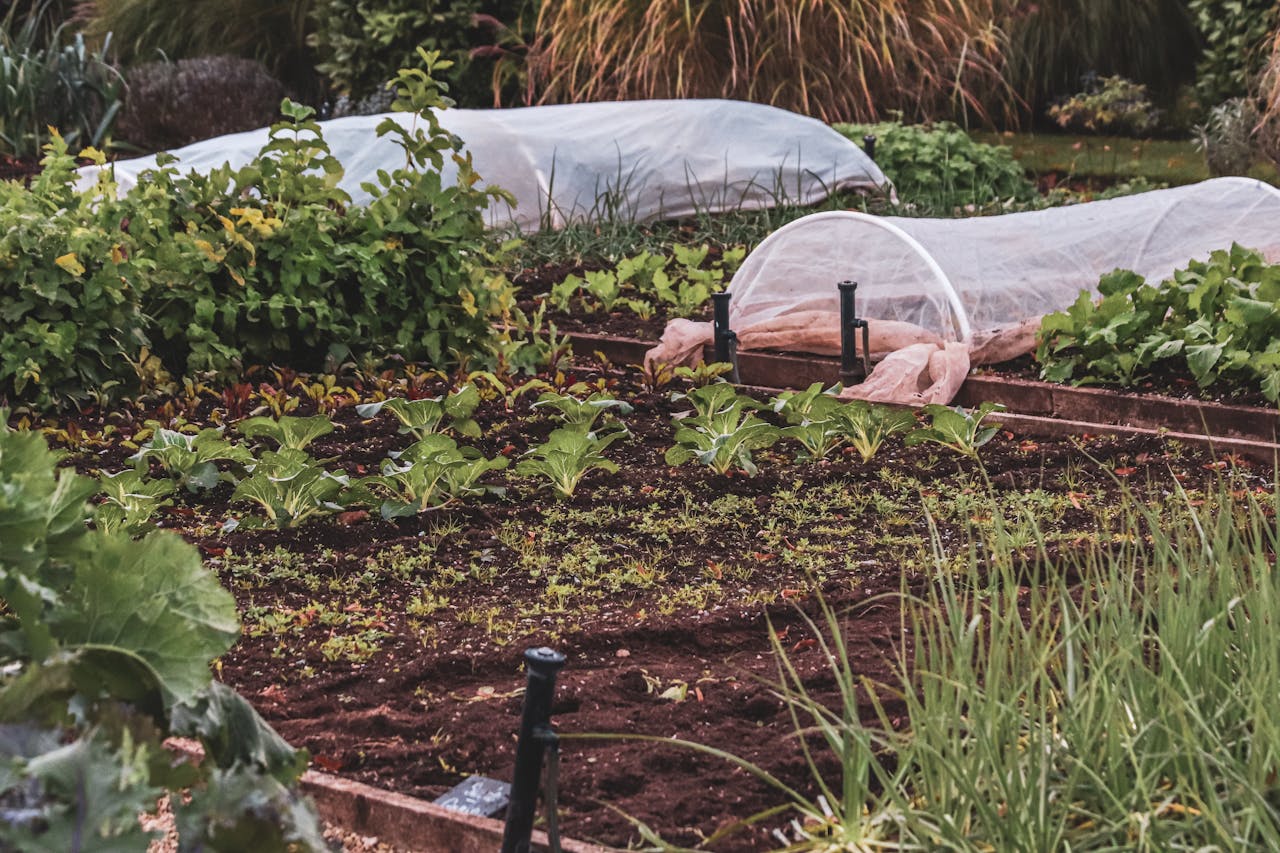
Gardeners can shield plants from frost with a few practical and surprisingly effective techniques that don’t require expensive equipment. Covering plants with cloths, blankets, or frost fabric traps heat from the soil and creates a protective barrier against cold air. Watering the soil before a frost event helps retain warmth, since moist soil holds heat better than dry ground. Moving potted plants indoors or into sheltered areas provides instant protection without much effort. Even placing a simple bucket or container over small plants can prevent frost from settling directly on leaves.
Timing matters just as much as technique, so gardeners should act before temperatures drop rather than after frost appears. Checking evening forecasts allows time to prepare and secure coverings properly. Removing covers in the morning prevents overheating once the sun rises and temperatures climb again. Consistent monitoring throughout the season ensures that sudden weather changes don’t catch anyone off guard. These small steps often make the difference between a thriving garden and one that struggles to recover.
The Danger of Ignoring Late Frost
Ignoring late frost can lead to more than just a few damaged leaves—it can wipe out weeks or even months of effort in a single night. Replacing lost plants adds unexpected expenses, especially when gardeners need to replant entire sections of vegetables or flowers. Delayed growth also shortens the productive season, which reduces yields and limits harvest potential. For those who rely on home gardening to offset grocery costs, frost damage can directly impact the budget. Preventive measures cost far less than starting over from scratch.
Beyond financial loss, frost damage can discourage gardeners and disrupt carefully planned growing schedules. Seedlings that need replanting often fall behind, leading to uneven growth and missed peak harvest times. Soil preparation, fertilizing, and watering efforts go to waste when plants fail to survive. Experienced gardeners treat frost protection as a routine part of spring care rather than an optional step. Taking proactive measures preserves both time and resources while keeping gardens on track.
Stay Ready So Your Garden Stays Thriving
Late frost keeps gardeners on their toes, but preparation transforms that uncertainty into a manageable risk. Awareness of local weather patterns, combined with simple protective strategies, keeps plants safe during those unpredictable cold snaps. A little extra effort during vulnerable weeks pays off with healthier plants and stronger harvests later in the season. Gardeners who stay alert and act quickly rarely face the devastating losses that frost can bring. Smart planning turns spring’s biggest threat into just another manageable challenge.
What steps will go into your next frost-prep routine this season? Let us know your plans below.
You May Also Like…
The Frost-Proof Secret: Protecting Your $2 Plants from a Random Cold Snap
The March Madness Garden: 10 Things to Plant Before the Final Frost
7 Vegetables That Germinate Fast Even in Unpredictable Spring Weather
Easy DIY Garden Cloche Ideas for Cold Protection
6 Soil Additives That Could Backfire in Cold Weather—Experts Warn to Skip These in January

Brandon Marcus is a staff writer for FrugalGardening.com at District Media, Inc., where he delivers practical gardening advice with a relatable, no-nonsense style. An avid amateur gardener, he holds a BA degree and with over ten years of professional writing experience, he is also an award-winning published author whose first book, Questions For Deep Thinkers, was released by Adams Media. His work has appeared in major publications including Fandom.com, CHUD.com, TheColdWire.com, and Fansided.com.
Leave a Reply