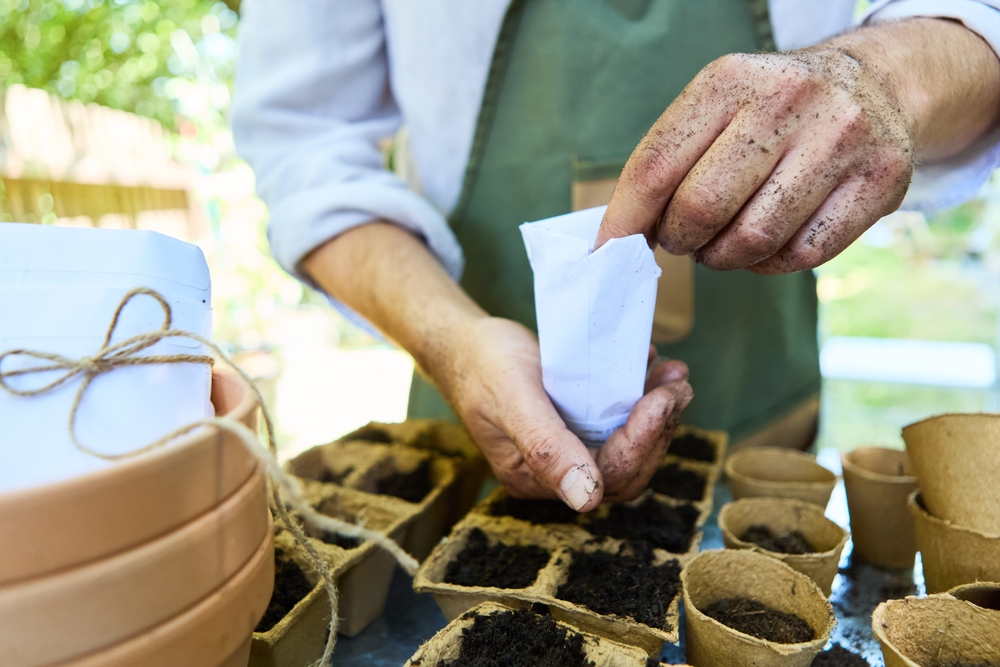
If you think your local library is just for books, you’re seriously missing out. Across the country, libraries are quietly offering one of the best money-saving (and garden-boosting) perks around: free seeds. Yes—completely free seeds that can grow into herbs, vegetables, and flowers right in your backyard or balcony.
With grocery prices climbing and more people turning to home gardening, this little-known resource feels almost too good to be true. But it’s real, it’s growing in popularity, and it might just change the way you think about your library forever.
What Is a Seed Library and How Does It Work?
A seed library is exactly what it sounds like—a collection of seeds you can “borrow” from your local library. Instead of returning the seeds, you’re encouraged to plant them, grow your crops, and ideally save seeds from your harvest to give back later. This creates a sustainable cycle where the community helps keep the program alive and thriving.
Most seed libraries offer a variety of options, from tomatoes and peppers to herbs and native flowers. The beauty of free seeds from library programs is that they’re designed to be simple, accessible, and welcoming to beginners and seasoned gardeners alike.
Why Libraries Are Giving Away Free Seeds
Libraries aren’t just about reading anymore—they’re about community, education, and resilience. Offering free seeds from library programs supports local food security by helping people grow their own fresh produce. It also promotes sustainability by encouraging seed saving and reducing reliance on commercial seed suppliers. Many libraries partner with local gardening groups, nonprofits, or agricultural extensions to supply high-quality seeds. In a time when people are looking for ways to cut costs and live more self-sufficiently, this initiative hits all the right notes.
How to Find a Seed Library Near You
Finding free seeds from library programs is easier than you might think. Start by checking your local library’s website or calling the front desk to ask if they offer a seed library. Many libraries promote these programs seasonally, especially in early spring when planting begins.
You can also search online directories or gardening groups that track participating libraries across the country. If your library doesn’t have one yet, don’t be shy—expressing interest could help spark a new program in your community.
Tips for Making the Most of Your Free Seeds
Getting your hands on free seeds from library programs is just the beginning—you’ll want to make them count. Start by choosing plants that match your climate, sunlight conditions, and experience level to increase your chances of success. Follow planting instructions carefully, paying attention to spacing, watering, and soil quality. Even a small container garden can yield impressive results if you give it consistent care. And if you’re able, saving seeds from your harvest to return to the library helps keep the cycle going for others.
Common Misconceptions About Seed Libraries
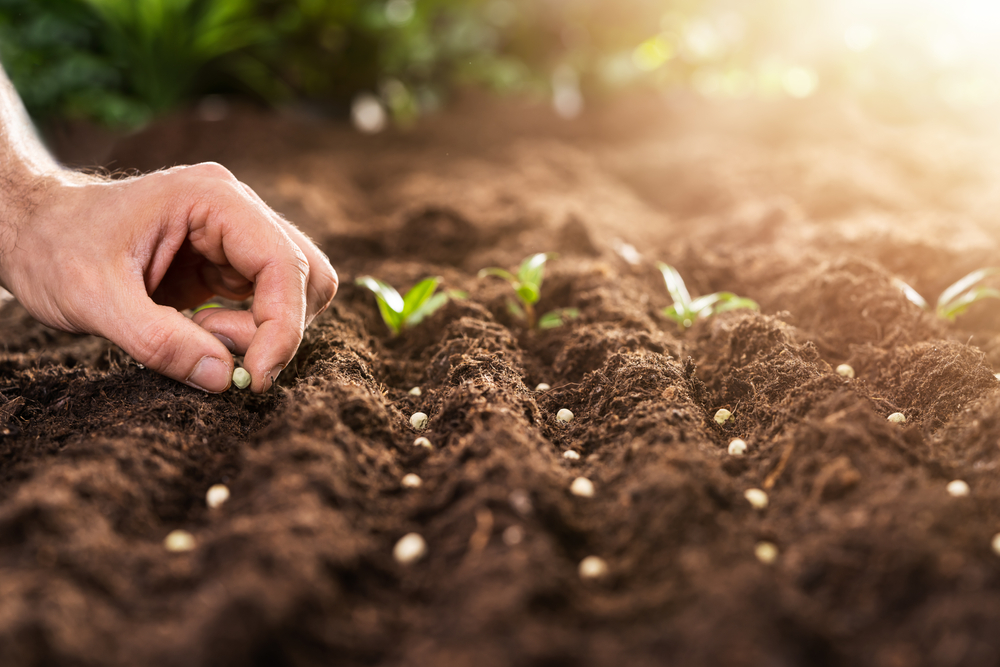
Some people assume that free seeds from library programs must be low quality or limited in variety, but that’s rarely the case. Many libraries source seeds from reputable suppliers or local gardeners who specialize in heirloom and region-specific plants. Another misconception is that you need to be an expert gardener to participate, which couldn’t be further from the truth. Seed libraries are designed to be beginner-friendly, often providing guides, workshops, and staff support. The goal isn’t perfection—it’s participation, learning, and community growth.
Saving Money and Building Community
Beyond the obvious cost savings, free seeds from library programs create ripple effects that go far beyond your garden. Growing your own food can significantly cut grocery bills, especially for high-cost items like herbs and fresh vegetables. It also connects you with neighbors, local gardeners, and community events centered around sustainability.
Many participants report a sense of pride and accomplishment that comes from harvesting something they grew themselves. In a world that often feels disconnected, this simple program brings people back to basics—and to each other.
Your Backyard Might Be Your Best Investment Yet
There’s something quietly powerful about turning a tiny seed into a thriving plant, especially when it didn’t cost you a dime. Free seeds from library programs offer more than just savings—they offer a chance to learn, grow, and connect in a meaningful way. Whether you’re planting your first pot of basil or mapping out a full backyard garden, the barrier to entry has never been lower. Your local library might just be the most underrated resource in your financial and lifestyle toolkit.
Have you ever tried getting free seeds from your local library, or would you give it a shot this year? We want to hear your take on this topic in our comments below.
You May Also Like…
The “Survival” Garden: 7 Essential Crops Every Budget Gardener Needs Now
How to Get 50 Gallons of Fertilizer for the Price of a Packet of Seeds
5 DIY Bird Deterrents That Protect Seeds and Seedlings
Why Some Seeds Never Germinate and How to Improve Your Success Rate
Why Some Seeds Don’t Germinate

Brandon Marcus is a staff writer for FrugalGardening.com at District Media, Inc., where he delivers practical gardening advice with a relatable, no-nonsense style. An avid amateur gardener, he holds a BA degree and with over ten years of professional writing experience, he is also an award-winning published author whose first book, Questions For Deep Thinkers, was released by Adams Media. His work has appeared in major publications including Fandom.com, CHUD.com, TheColdWire.com, and Fansided.com.
Leave a Reply