Winter doesn’t have to slam the brakes on your garden dreams. While the air turns crisp and frost starts flexing its muscles, something magical happens beneath a simple cover of plastic, fabric, or glass. Soil stays warmer, winds lose their bite, and certain crops absolutely thrive in the chill like they were born for it.
This is the season where smart gardeners keep harvesting while everyone else is staring at seed catalogs. Grab a hat and feel that cool air on your face, because it’s time to talk about the crops that laugh at cold weather and keep your garden alive and kicking.
1. Spinach
Spinach is the undisputed champion of cold-weather gardening and seems to grow sweeter the colder it gets. Under a simple cover, it keeps pushing out tender leaves even when temperatures flirt with freezing. The cold slows its growth just enough to intensify flavor without turning leaves tough or bitter. Spinach roots stay happy in cool soil, especially when protected from harsh winds.
A lightweight cover also keeps snow from flattening young plants. Harvest outer leaves regularly, and spinach will reward you with weeks of fresh greens.
2. Kale
Kale treats cold weather like a spa retreat rather than a threat. Once temperatures drop, the plant converts starches into sugars, making the leaves noticeably sweeter. A simple cover protects it from heavy snow and brutal wind chill, allowing steady growth through winter. Kale is incredibly forgiving, bouncing back after light freezes with no problem. The thick leaves resist cold damage better than most greens. With occasional harvesting, one planting can keep producing until early spring.
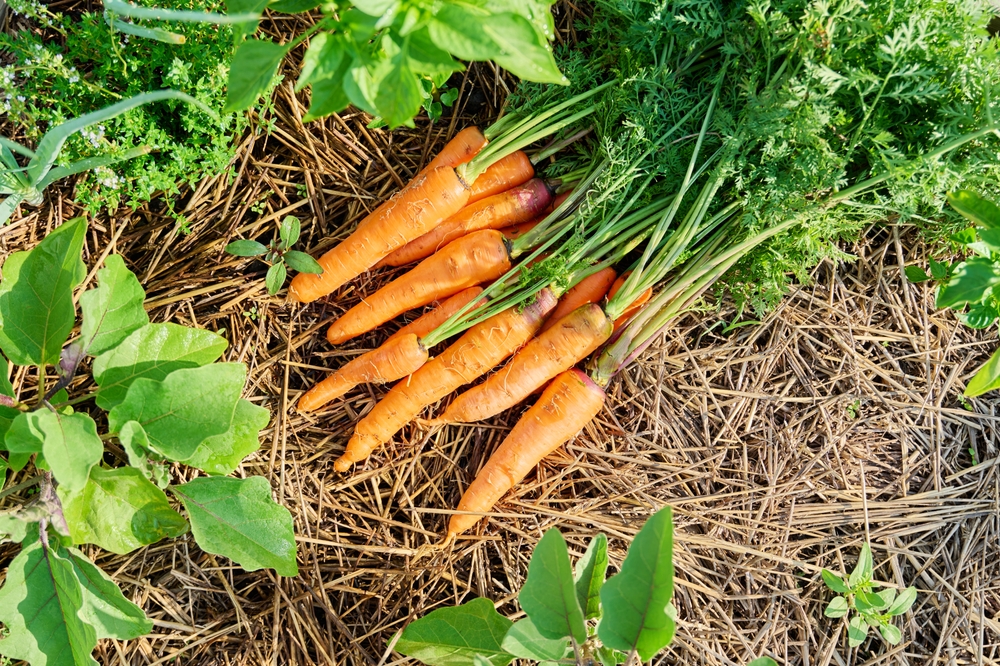
3. Carrots
Carrots quietly thrive beneath the soil while winter storms rage above. A cover keeps the ground from freezing solid, allowing roots to keep growing slowly. Cold temperatures actually improve carrot flavor by increasing natural sugars. You can harvest as needed, pulling crisp, sweet carrots straight from protected beds. Deep mulch combined with a cover works wonders for insulation. There’s nothing quite like winter carrots that taste like candy.
4. Lettuce
Lettuce might look delicate, but many varieties are surprisingly cold-tough. Under a simple cover, lettuce keeps producing soft, buttery leaves long after summer varieties are gone. Growth slows, but the quality stays excellent. Cold weather reduces pest pressure, which means cleaner leaves and less frustration. Leaf lettuces work especially well since they regrow after harvesting. With protection, salads don’t have to disappear when winter arrives.
5. Radishes
Radishes are quick, bold, and fearless in cool temperatures. They mature fast, even when days are short, making them perfect for winter growing. A simple cover prevents the soil from crusting and cracking during cold snaps. Cooler conditions reduce bitterness and improve texture. Radishes grown in winter tend to be crisper and milder. You’ll be harvesting crunchy roots while others are still waiting for spring.
6. Swiss Chard
Swiss chard brings color and resilience to cold gardens. The stems stay vibrant even when nights dip below freezing. Under cover, chard continues producing new leaves with impressive determination. It tolerates frost better than heat, making winter its comfort zone. Regular harvesting encourages steady regrowth. With protection, Swiss chard becomes a long-term winter workhorse.
7. Green Onions
Green onions are incredibly adaptable and handle cold conditions with ease. A simple cover keeps the soil workable and prevents freeze-thaw damage. They grow slowly in winter but never truly stop. Snip what you need and let the rest continue growing. Cold weather keeps their flavor sharp but not overpowering. They’re perfect for adding freshness to winter meals.
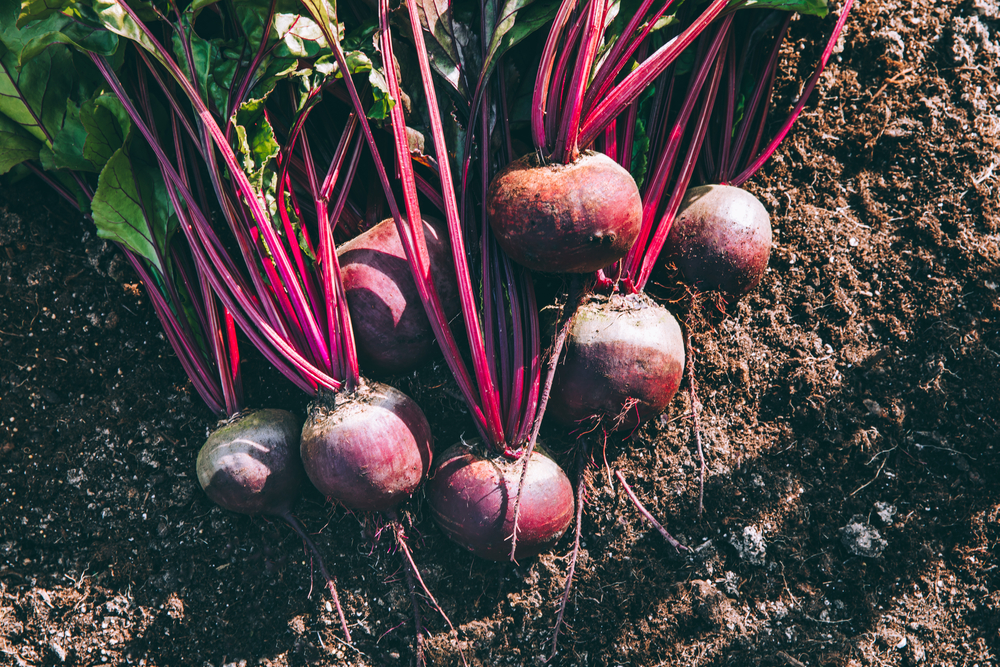
8. Beets
Beets are built for cool soil and steady, slow growth. The roots develop excellent texture when grown under a cover during colder months. Beet greens also remain harvestable, giving you two crops in one. Cold temperatures enhance sweetness and reduce woody growth. Protection keeps soil moisture stable, which beets love. Winter-grown beets often outperform their summer counterparts.
9. Arugula
Arugula thrives in cool weather and struggles once heat arrives, making winter ideal. Under a simple cover, it produces lush leaves with a refined peppery bite. Cold conditions keep it from bolting too quickly. The flavor becomes more balanced and less harsh. Arugula grows fast even with limited daylight. It’s a winter green that delivers big personality.
10. Asian Greens
Asian greens like bok choy, tatsoi, and mizuna shine in cold conditions. They grow quickly and stay tender under protective covers. Frost actually improves their flavor and texture. These greens are adaptable and resilient, even during temperature swings. Harvesting outer leaves encourages continued growth. A winter bed of Asian greens feels like a secret gardening superpower.
11. Garlic Greens
Garlic planted in fall doesn’t just sleep all winter. Under a simple cover, green shoots continue growing slowly and steadily. These garlic greens offer mild garlic flavor perfect for cooking. Cold weather strengthens root development below the surface. Harvesting greens doesn’t harm the bulb’s future growth. It’s a bonus harvest that keeps your garden productive.
Keep The Garden Growing
Cold weather doesn’t mean your garden has to call it quits. With a simple cover and the right crops, winter becomes a season of steady harvests and quiet victories. There’s something deeply satisfying about gathering fresh food while frost sparkles on the ground.
If you’ve had winter gardening successes or memorable experiments, tell us about them in the comments below. Your experiences might inspire another gardener to keep growing through the cold.
You May Also Like…
8 Cold-Season Crops That Grow Well With Minimal Investment
Why Root Crops Crack In Cool Wet Soil
7 Crops That Should Be Fermented Instead of Stored
10 Crops That Attract Mice if Left Uncovered
Why Frost Tolerant Crops Taste Sweeter

Brandon Marcus is a staff writer for FrugalGardening.com at District Media, Inc., where he delivers practical gardening advice with a relatable, no-nonsense style. An avid amateur gardener, he holds a BA degree and with over ten years of professional writing experience, he is also an award-winning published author whose first book, Questions For Deep Thinkers, was released by Adams Media. His work has appeared in major publications including Fandom.com, CHUD.com, TheColdWire.com, and Fansided.com.
Leave a Reply