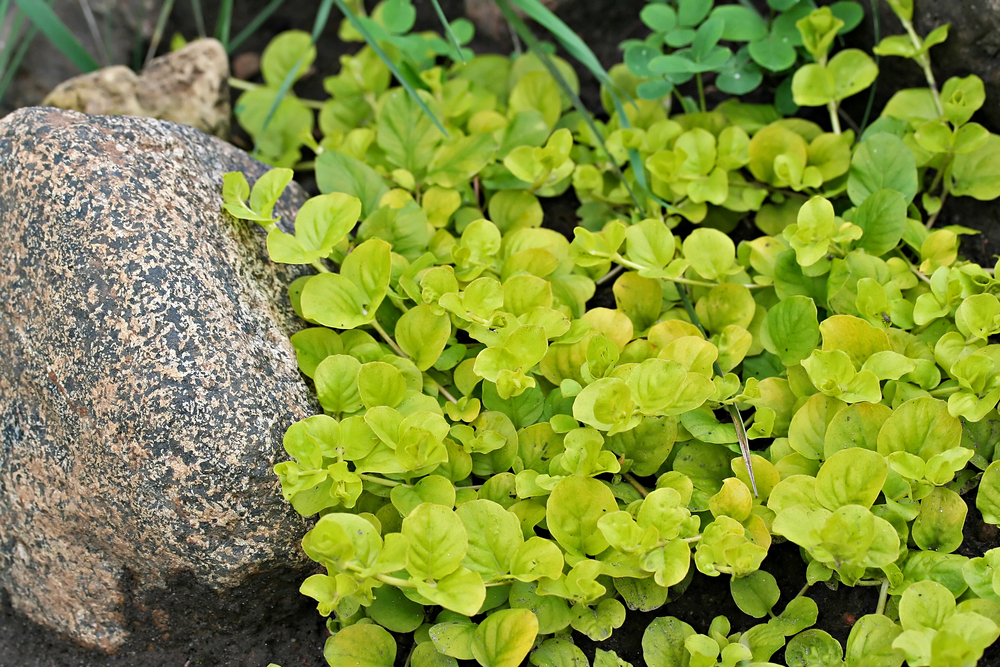
In the quiet corners of suburban lawns, a silent invader is wreaking havoc faster than most homeowners can react. Unlike the notorious crabgrass, which announces its presence with obvious tufts and yellowing patches, this stealthy weed creeps along with alarming speed, leaving no blade of grass untouched.
Its relentless growth makes gardeners question every step they take and every seed they sow. Backyard barbecues and weekend mowing sessions suddenly turn into a battle against green chaos. The question isn’t if it will take over—but how fast it will arrive.
Understanding The Nature Of Creeping Jenny
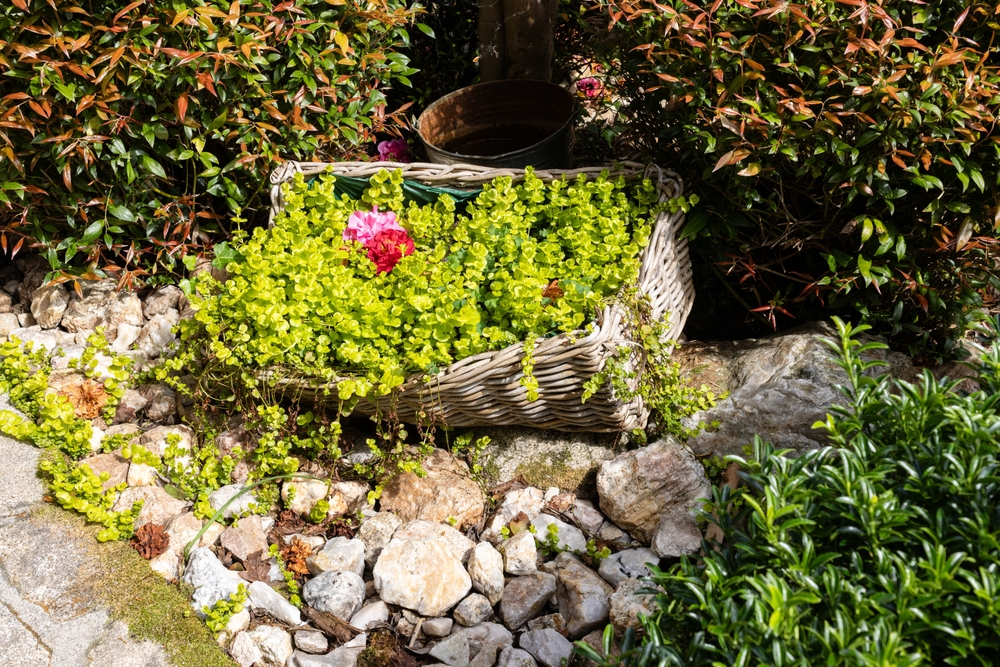
Creeping Jenny, also known as Lysimachia nummularia, isn’t just your ordinary ground cover. Its bright, round leaves seem innocent enough, but its growth habits are shockingly aggressive. This plant sends out long, trailing stems that root at every node, essentially creating a carpet of greenery that’s almost impossible to remove. Its ability to thrive in both sun and shade makes it adaptable to nearly any garden environment. Left unchecked, it will outcompete traditional grass and even choke out flowers in garden beds.
Why It Spreads Faster Than Crabgrass
Unlike crabgrass, which relies heavily on seed production, Creeping Jenny spreads predominantly through vegetative growth. Every small cutting or stem can develop into a new plant, making accidental transport via garden tools or even shoes a real threat. Its underground runners move quickly, often creating dense mats before gardeners realize the invasion. Unlike annual weeds, which die back and require re-seeding, Creeping Jenny is perennial and comes back stronger each year. This resilience makes it a formidable opponent for even the most diligent lawn keepers.
Recognizing Early Signs Of Infestation
Catching this weed early can save weeks of frustration and hours of backbreaking labor. The first signs often include small, bright green clusters in shaded corners or along fence lines. Homeowners may notice stems beginning to trail into flowerbeds or creeping along sidewalks. Ignoring these early hints allows it to establish an underground network that is extremely difficult to eradicate. Vigilance during early spring and late fall is key to keeping this green menace under control.
Strategies For Controlling Growth
Combating Creeping Jenny requires a combination of persistence, knowledge, and sometimes creativity. Hand-pulling is effective if done regularly, ensuring every root node is removed, though it can be tedious. Mulching heavily can reduce the weed’s light exposure, slowing its spread in flowerbeds. For larger infestations, selective herbicides designed for creeping perennials may be necessary—but should be used carefully to protect nearby plants. Regularly monitoring and maintaining healthy turf also reduces the weed’s opportunity to take hold in the first place.
Natural Competitors That Can Help
One of the most satisfying ways to manage this invasive weed is by encouraging plants that compete for space. Dense ground covers like clover or creeping thyme can slow down Creeping Jenny’s advance. Perennials with strong root systems, such as hostas or daylilies, create natural barriers that limit its expansion. Even traditional lawn grasses, if thick and well-maintained, can act as a deterrent. Combining these plant allies with attentive gardening practices often yields the best long-term results.
Common Mistakes Gardeners Make
Many gardeners inadvertently aid this weed’s conquest without realizing it. Dumping clippings into compost piles can transport viable stems to new areas. Watering inconsistently or leaving bare patches of soil encourages it to colonize weak spots. Overuse of fertilizers can boost the weed’s growth more than the grass it’s meant to support. Assuming it will die off naturally is a common trap—this weed is stubborn, resilient, and remarkably persistent. Awareness and proactive measures are the keys to preventing disaster.
Ecological Impacts You Might Not Expect
While often considered a nuisance, Creeping Jenny also has subtle ecological effects. Dense mats can alter soil moisture and temperature, influencing other plants’ growth. Its thick coverage sometimes reduces habitat for beneficial insects that prefer open soil. However, in controlled garden settings, it can help prevent erosion on slopes and stabilize soil near water features. Understanding these dual impacts allows gardeners to make informed decisions about removal versus containment.
The Thrill Of Outwitting Nature
Defeating an unstoppable green invader can be surprisingly exhilarating. Each carefully removed stem and each reclaimed patch of grass feels like a small victory. Experimenting with different control methods offers endless variety for those who enjoy hands-on gardening challenges. Watching native plants reclaim their territory after weeks of effort is immensely satisfying. This ongoing duel reminds us that gardening is as much about strategy as it is about beauty.
Your Turn To Respond
Creeping Jenny may be fast, relentless, and deceptively charming, but it doesn’t have to win the battle for your lawn. By learning to recognize it early, using smart control techniques, and leveraging natural plant allies, any gardener can slow its advance.
Have you encountered this sneaky invader in your yard, or discovered a clever trick to control it? Leave your thoughts and stories in the comments section below.
You May Also Like…
How to Transition Summer Containers Into Autumn Displays
7 Insidious Weeds That Will Take Over Your Garden if You Ignore Them
9 Edible Weeds That Pop Up in September
Killing Weeds with Diesel? Here’s What You Need to Know First
10 Garden Tasks That Prevent Spring Weeds

Brandon Marcus is a staff writer for FrugalGardening.com at District Media, Inc., where he delivers practical gardening advice with a relatable, no-nonsense style. An avid amateur gardener, he holds a BA degree and with over ten years of professional writing experience, he is also an award-winning published author whose first book, Questions For Deep Thinkers, was released by Adams Media. His work has appeared in major publications including Fandom.com, CHUD.com, TheColdWire.com, and Fansided.com.
Leave a Reply