
Gardening is a rewarding activity that beautifies your surroundings, provides a relaxing hobby, and can even offer fresh produce right at your doorstep. However, not all plants are suitable for every garden. Certain species can become invasive, others might harm local flora and fauna, and some simply do not thrive under the wrong conditions, making garden management cumbersome. This guide will walk you through ten plants you should never grow in your garden to ensure your gardening efforts are both beautiful and beneficial.
1. Kudzu: The Vine that Ate the South
Native to Asia, kudzu was introduced to North America in the late 19th century and has since become one of the most problematic invasive species in the United States. This vine can grow up to a foot per day during the peak of its growing season, smothering other plants, trees, and even structures under a blanket of leaves. Kudzu is not only a pest that is difficult to eradicate but also chokes out the native vegetation, reducing biodiversity in your garden.
2. English Ivy: A Clinging Culprit
English Ivy may add a touch of class to buildings and gardens, but it’s a double-edged sword. This evergreen vine clings to and accelerates the decay of tree bark and can cause damage to brickwork and masonry. It also harbors pests and diseases, which can spread to other plants in your garden. Furthermore, English Ivy is difficult to remove once it takes hold, with its roots deeply embedded into whatever surface it grows on.
3. Bamboo: The Invasive Beauty
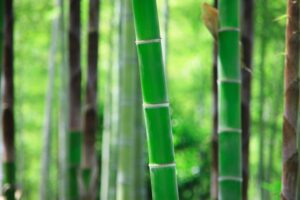
Bamboo is often admired for its quick growth and exotic appearance, but these same traits make it a nightmare for many gardeners. This aggressively invasive plant can quickly overtake your garden and neighboring areas. Its roots spread rapidly, making it extremely difficult to control once established. Additionally, bamboo can damage foundations and underground utilities, leading to costly repairs. If you’re drawn to its aesthetic, consider growing bamboo in large, contained planters to prevent it from spreading.
4. Mint: The Aromatic Invader
Mint is well-loved for its aromatic leaves and is popular in a variety of culinary dishes. However, its tendency to spread quickly can lead to it overtaking garden beds and lawns. Mint sends out runners that grow new plants, and before you know it, it can take over large areas, smothering other plants. To keep its invasive nature in check, it’s best to grow mint in containers.
5. Wisteria: Beautiful but Destructive
Wisteria is famed for its stunning cascades of purple flowers, but it can destroy your garden. This climbing vine can strangle trees and overwhelm other plants around it. Its heavy vines can also damage structures like fences, trellises, and even buildings. Wisteria requires rigorous pruning and management to keep it under control, which can be more work than most gardeners anticipate.
6. Oleander: Deadly Beauty
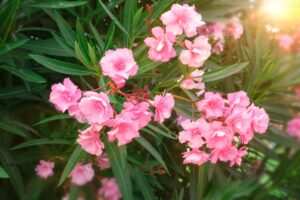
Oleander is a popular ornamental shrub known for its beautiful blooms and evergreen leaves. However, if ingested, every part of the oleander plant is toxic to humans and animals. Its presence in gardens poses a significant risk, especially in households with children or pets. The risk associated with its poisonous nature often outweighs its aesthetic appeal.
7. Black Walnut: Toxic to Other Plants
Black walnut trees are majestic and provide excellent shade, but they release a chemical called juglone, which is toxic to many other plant species. Juglone can stunt the growth of the plants around the black walnut or even kill them. Gardening near a black walnut tree can be challenging, as you’ll need to select juglone-resistant plants carefully.
8. Yellow Loosestrife: Aggressive Grower
Yellow loosestrife is known for its vibrant flowers and can be a beautiful addition to your garden. However, it is incredibly aggressive and can quickly spread through your garden, overtaking other plants. Its rapid growth and spreading capability can make it challenging to manage, similar to how invasive species disrupt native ecosystems.
9. Morning Glory: Beautiful but Binding
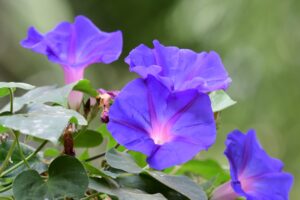
Morning Glory vines are adorned with beautiful trumpet-shaped flowers, making them popular in many gardens. However, their rapid growth and twining vines can bind and strangle other plants. Morning Glory also produces numerous seeds that can lead to unwanted spread throughout your garden and beyond. Managing morning glory often requires constant vigilance and removal of the vines.
10. Tansy: Persistent and Toxic
Tansy is an herb with a long history of use, but it is also known for being particularly toxic to both humans and livestock. This plant can be invasive, spreading quickly through your garden and proving difficult to eradicate. Its persistence and toxicity make it a poor choice for most gardens, especially those frequented by children and pets.
Be Mindful of These Plants You Should Never Grow in Your Garden
Gardening should be a joy rather than a burden. By avoiding these ten types of problematic plants, you can ensure that your garden remains manageable, beautiful, and beneficial for your local ecosystem.
Read More:
14 Nutrient-Dense Vegetables to Grow in Your Garden
Enhance Your Garden Naturally with These Top 5 Organic Fertilizers

Catherine is a tech-savvy writer who has focused on the personal finance space for more than eight years. She has a Bachelor’s in Information Technology and enjoys showcasing how tech can simplify everyday personal finance tasks like budgeting, spending tracking, and planning for the future. Additionally, she’s explored the ins and outs of the world of side hustles and loves to share what she’s learned along the way. When she’s not working, you can find her relaxing at home in the Pacific Northwest with her two cats or enjoying a cup of coffee at her neighborhood cafe.
Leave a Reply