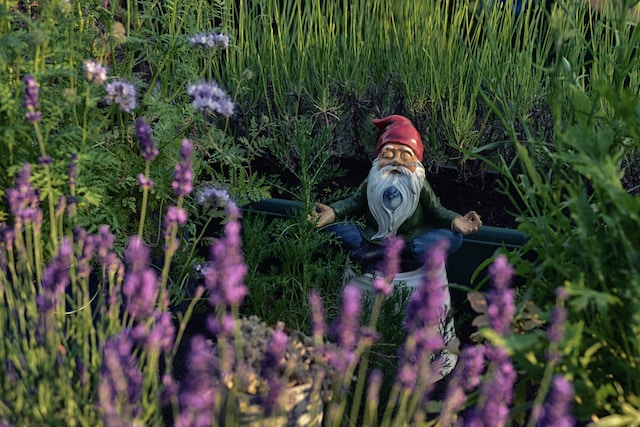
Gardening was never my forte. Honestly, I proudly wore the label of a “brown thumb” for most of my life. I’d often cringe at the thought of tending to plants, certain I’d unintentionally send them to an early demise. Little did I know that my journey from reluctant gardener to someone who finds solace in the garden would be a transformative experience. It’s the mindfulness/ meditation aspect that does that for me. Here are the ten steps that it took to get there.
1. Starting Small
My first foray into gardening was timid. I began with a single-potted plant—a resilient succulent known for its ability to withstand my neglect. It required minimal care, allowing me to build confidence slowly. It wasn’t the first one I’d ever bought. I had killed others before. But I was ready, albeit with baby steps.
2. Learning Through Mistakes
The beginning was marked by countless failures. Overwatering, underwatering, and choosing the wrong plants were all part of the learning curve. But with each mishap, I began to observe the subtleties of my plants’ needs, fostering a sense of mindfulness in the process. I honestly never thought that I’d get there. My sister always tells me “Just ask the plant what it wants.” I always thought she was nuts. But she’s not. You observe and you attend and you are mindful and then it starts to all click.
3. Patience and Presence
Gardening helped teach me the art of patience and presence. Instead of rushing through tasks, I started to slow down, observing the nuances of my plants. And when I failed to do that, they died. This repeatedly reminded me of the importance of being fully engaged in the moment. This is really what mindfulness is all about.
4. The Healing Power of Nature
Amidst the frustrations and mishaps, I found solace in nature’s healing embrace. The garden became my refuge, a place where I could escape the chaos of daily life and immerse myself in the serenity of the natural world. I am an urban woman. However, I love the fact that San Francisco offers so many opportunities to immerse yourself in nature within the city itself. You don’t even have to have your garden. You can enjoy any of the small and large gardens throughout the city as spots for meditation.
5. Nurturing Growth, Both Plant and Self
As my gardening skills improved, I noticed a parallel growth within myself. Tending to plants became a metaphor for self-care and nurturing personal growth. I found that the more I nurtured my garden, the more I nurtured my well-being. The more I nurtured myself, the easier it was to remember to nurture the plants. It helps to feel more tied into nature.
6. Accepting Imperfection
Gardening taught me to embrace imperfection. Not every plant thrived, and not every leaf remained unblemished. Just as I accepted my plants’ flaws, I learned to accept my imperfections with greater compassion. This is something I’ve worked in throughout my life, particularly through therapy. There are many ways of approaching it. The point is that gardening teaches us things like this in a somatic, experiential way that differs from just thinking about it.
7. Mindful Observations
In the garden, I developed the practice of mindful observation. I’d spend moments simply gazing at the play of sunlight on leaves, the dance of pollinators, or the delicate unfurling of a bud. These contemplative moments allowed me to connect with the beauty of the present. They reminded me that everything that’s happening in my head is related to the past or the future. What’s happening right now in front of me is what’s real. The rest is usually just noise. By teaching myself to focus on just one thing in a garden, I learned mindfulness. And that leads to learning meditation.
8. Letting Go of Control
Gardening reminded me that life, like the garden, is filled with uncontrollable variables. I couldn’t command the rain to fall or the sun to shine. I couldn’t always shield my plants from pests or disease. Even when it seemed like I was doing everything right, plants would fail to thrive. It was hard. I wanted to fix it.
However, in relinquishing the illusion of control, I discovered a profound sense of freedom. It was a reminder that there is beauty in the natural ebb and flow of existence. Sometimes, the most vibrant blooms emerge from the unexpected and unplanned corners of life.
Gardening became a symbol of embracing impermanence. It offers an ongoing lesson in letting go that extends far beyond the garden’s borders into my life. I still struggle with wanting to control everything but it reminds me again and again that it is okay that I cannot.
9. Celebration of Growth
Each tiny sprout, every new leaf, and the first bloom are all reasons for celebration. Witnessing the gradual transformation of my garden taught me to savor the journey and appreciate the beauty of growth. As with all of the other lessons, this was less about the garden than it was about myself. I exist in cycles and seasons but am also always growing. It’s a powerful thing and it’s nice to see it outside of yourself then to see how it relates to the inside of yourself.
10. Gardening as a Meditation Practice
Surprisingly, I found that gardening was my form of meditation or mindfulness. The act of tending to plants, gazing upon the deep colors of flowers, and immersing myself in nature’s rhythms all became a profound mindfulness practice. I didn’t know that this would happen although looking back it seems inevitable. By learning not to worry about “doing it right” and just being present in the act of doing it, I was able to allow things to grow. And in the process, I grew, too.
Read More:
- The Gardener’s Brain
- Substack Gardening: Must-Read Newsletters if You Love Gardening
- A Visit to Hollister House Garden

Kathryn Vercillo is a long time writer, crafter and author of several books. A resident of San Francisco, she is committed to helping others explore, articulate and share their own individuals stories. When she’s not evaluating investing opportunities Kathryn is an avid knitter, researcher, and blogger.
Leave a Reply