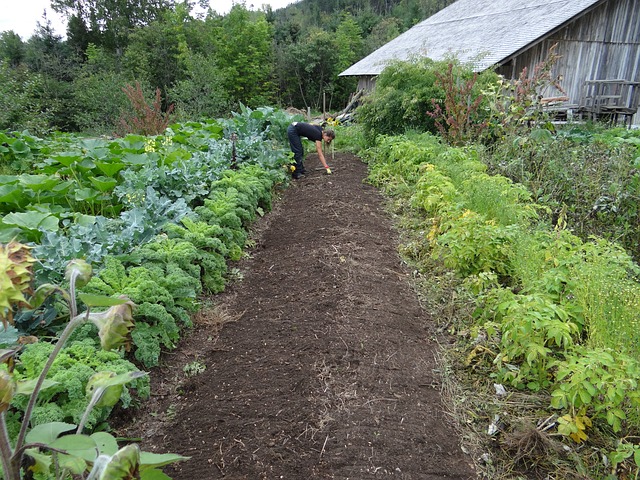
I try to walk through my garden on a daily basis. Whether it’s bright and early on a weekday morning when the rabbits are out, and there’s still dew sitting on leaves, or it’s evening, and the sun is setting. Even when my schedule is out of control, I make it a priority to visit the garden, because it’s the first step in nurturing the vibrant, growing space.
Location
Before I go into why it’s so essential to casually stroll by your plants every day, I want to talk a bit about garden location. It’s easy for me to walk through my garden after a hard morning run or in the evening as the world begins to get sleepy because my garden is close to my home. I simply walk outside to my deck to check on my container plants and trot down a few steps to check on the rest of my plants. I can even spy my raised beds from my kitchen window, so squirrels and other hungry mammals can’t munch on my produce in private.
Having your garden in a convenient location is a must. If you tuck it away in a far away corner of your yard, you won’t find yourself checking on your vegetables often. A hidden garden that’s out of reach will be one where plants aren’t tended to as often and where fresh, ready-to-pick produce sits unnoticed.
When starting a garden, pick an easy-to-reach area that you will enjoy visiting. If you’re new, I recommend starting with containers or a raised bed close to your home. The closer, the better.
The Importance of Garden Walkthroughs
Even if you’re just checking on a few container plants, it’s vital to look at your garden regularly. I enjoy daily checks, but a stroll by your plants every few days is usually just as effective. Why bother observing your plants so frequently?
It’s good for you. Going out to the garden is one of the least hectic moments of my day. I breathe in the fresh air, feel the sunshine (or rain!) on my skin, and I swear I feel my heartbeat slow and my blood pressure decrease.
Early detection. Frequently passing by your plants allows you to spot pest damage early, so you can swiftly address the problem and avoid disaster. If you’re checking on your plants regularly, you’ll also be able to spot changes in foliage that may signal disease or nutrient deficiencies.
Nothing goes to waste. As you walk through your garden each day, you’ll always be aware of what’s ready to harvest or what will be ready soon. Having this knowledge ensures that you’ll pick things quickly and never waste anything that you’ve grown.
Stop weeds in their tracks. Like pests, weeds can quickly get out of hand if you don’t pull them as soon as you notice them. Leave your garden alone for a week, and pulling weeds becomes a chore. Daily checks allow you to casually snatch errant plants out of the ground without much effort.
Watering. Your plants need water to thrive, and while you can often rely on Mother Nature to quench their thirst, you should be prepared to water your plants regularly. If your garden walkthroughs are a routine, incorporate regular waterings, too. Just be sure to check the forecast to avoid overwatering!
I visit my garden to care for my plants but also to care for myself. My mornings among the leaves, blossoms, and chirping birds always seems to improve my mood ten-fold. The routine calms me, quiets my worries and anxieties about the upcoming day, and even if it lasts a short while, fills me with peace.

Steph Coelho is a freelance writer gardening in zone 5b. She is a certified Square Foot Gardener and has taught various garden-related workshops. When she’s not digging in the dirt or writing, she’s cooking up fresh produce, running, or listening to her favorite podcasts.
Actually…this is a really good point. We have all our plants on the porch and I review them at least once a day, pus we have a visual from our kitchen so we can see how they’re doing.