• Skip to primary navigation
  • Skip to main content
  • Skip to primary sidebar

Frugal Gardening

Simple ways to save money while you garden

  • About
  • Contact Us
  • Garden Frugally
  • Buy These
  • Our Editorial Commitment
  • Navigation Menu: Social Icons

    • Facebook
    • Pinterest
    • Twitter

Maximize the Harvest: Preparing Now for the Fall

August 7, 2018 by Steph Coelho Leave a Comment

It’s only August, so why am I bringing up the fall already? While stores are already preparing for Halloween, gardeners are still enjoying the warm days of summer. If you’re looking to get the biggest bang for your buck in your garden, planning in anticipation of fall is critical. Sowing seed now and keeping your plots organized ensures that you’ll still be harvesting when October and November roll around. When others head to the supermarket in November to buy expensive greenhouse lettuce they no longer have access to in their gardens, you’ll be harvesting hardy veggie varieties and saving money.

When do I need to start sowing seeds for the fall garden?

The optimal time to start planting seeds for the cooler season depends on your particular growing region. Find out what your first frost date is if you haven’t already. Here’s a useful resource: https://www.almanac.com/gardening/frostdates

Remember that a first frost date is just an estimate. It may vary from year to year. Mother Nature is unpredictable after all!

Check your seed packets to find information on maturity times. Using your region’s first frost date, count backward to find out when your planting window is. Harvesting after frost is possible, but vegetables need to be mature by the time the cold weather comes around. Colder temperatures typically slow plant growth.

An example:

You want to plant some lettuce that will be ready to harvest during the fall months.

The seed packet says the variety matures in 50 days. If your last frost date is October 30th,  then the last day you can sow the lettuce seed for optimal growth is September 10th.

Best plants for the fall garden

The ideal options for a fall garden depend significantly on your region and the amount of time you have until that first frost. Cold hardy plants are an excellent choice since you can keep harvesting even post-frost. Here are a few examples of cold-hardy vegetables that you can grow:

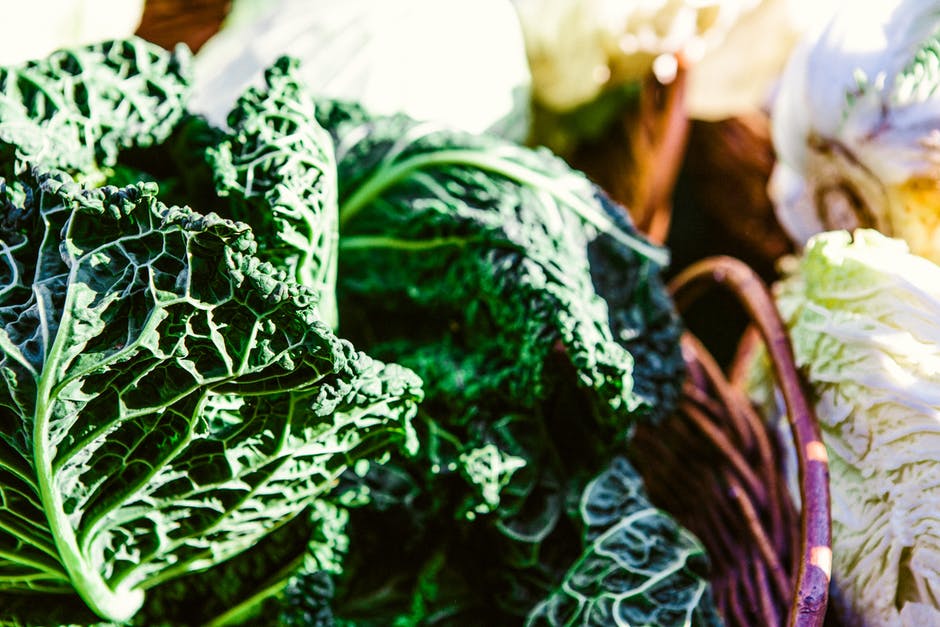
  • Kale
  • Carrots
  • Collards
  • Spinach
  • Lettuce
  • Swiss Chard

Choose varieties that mature early if your growing window before the first frost is short. Some vegetable varieties are exclusively bred to withstand cold temperatures.

Get a jumpstart and enjoy the bounty

Don’t wait until early-September to start thinking about your cool season garden. Start right now. Check your seed collection to see what you have on hand to sow. Make sure you’ve got the space, too. When filling up your plots in the spring and summer, don’t forget to keep a spot saved for starting seeds later in the season.

If this is your first year attempting a fall harvest, write everything down. Keep a notebook with your sowing dates and observations. Notice a plant that didn’t do well when frost came along? Try seeding earlier or choosing a different variety.

Photograph of Steph Coelho.
Steph Coelho

Steph Coelho is a freelance writer gardening in zone 5b. She is a certified Square Foot Gardener and has taught various garden-related workshops. When she’s not digging in the dirt or writing, she’s cooking up fresh produce, running, or listening to her favorite podcasts.

Filed Under: Uncategorized

Previous Post: « Keeping Up with the Harvest
Next Post: Preserving the Harvest: Freezing Summer Veggies »

Reader Interactions

Leave a Reply Cancel reply

Your email address will not be published. Required fields are marked *

Primary Sidebar

Struggling to get your garden off the ground? Put those days behind you with our special starter kit – perfect for thrifty green thumbs everywhere. Get growing and add a splash of color today!

Popular Posts

  • usda free seeds websiteHow To Get Free Seeds From The Government by Amanda Blankenship Seeds might seem like a small expense, but any seasoned…
  • Enviro Ice On PlantsShould I Use Enviro Ice On My Plants? by Kathryn Vercillo Every week, I receive food from Hungryroot. It's a great…
  • is shredded paper good for the gardenFrom Trash to Treasure: Transform Shredded Paper Into Garden Gold by Amanda Blankenship Should you use shredded paper as garden mulch? It might…
  • Enviro IceWhat Happens to Plants If You Use Enviro Ice on Them? by Amanda Blankenship About a year ago, I wrote our first article about…
7 Fast-Growing Flowers That Can Fill Empty Summer Gaps

7 Fast-Growing Flowers That Can Fill Empty Summer Gaps

Summer gardens rarely follow the script. Spring bulbs fade, early perennials take a break, and suddenly a flower bed that looked spectacular in May starts showing awkward patches of bare soil. The good news is that several fast-growing flowers can step in and restore color before summer slips away. Quick-growing flowers do more than hide…

Read More

What Is the Cheapest Way to Keep Berries Away From Birds?

What Is the Cheapest Way to Keep Berries Away From Birds?

Nothing stings quite like watching berries reach perfect ripeness only to disappear one peck at a time. Birds possess remarkable eyesight, and they often spot juicy strawberries, blueberries, raspberries, and blackberries before anyone else notices that harvest day has arrived. The good news is that keeping them away does not require expensive gadgets or complicated…

Read More

Can a Wilted Cucumber Plant Bounce Back Overnight?

Can a Wilted Cucumber Plant Bounce Back Overnight?

A cucumber plant can look completely defeated by dinner and surprisingly healthy by breakfast. That dramatic turnaround happens more often than many gardeners expect, but it does not always signal a happy ending. A quick recovery depends on why the leaves drooped in the first place. Cucumbers grow fast, produce large leaves, and move huge…

Read More

Why Is Blossom-End Rot Appearing After Weeks of Healthy Growth?

Why Is Blossom-End Rot Appearing After Weeks of Healthy Growth?

A tomato plant can look like the picture of garden success for weeks, then suddenly produce fruit with a dark, sunken patch on the bottom. Blossom-end rot often feels like a surprise attack, but this common garden problem follows a pattern that gardeners can spot and fix. Blossom-end rot does not mean the plant has…

Read More

  • About
  • Contact Us
  • Garden Frugally
  • Buy These
  • Our Editorial Commitment
  • Navigation Menu: Social Icons

    • Facebook
    • Pinterest
    • Twitter
  • Facebook
  • Pinterest
  • Twitter

Copyright © 2026 · Foodie Pro & The Genesis Framework