• Skip to primary navigation
  • Skip to main content
  • Skip to primary sidebar

Frugal Gardening

Simple ways to save money while you garden

  • About
  • Contact Us
  • Garden Frugally
  • Buy These
  • Our Editorial Commitment
  • Navigation Menu: Social Icons

    • Facebook
    • Pinterest
    • Twitter

Keeping Up with the Harvest

August 6, 2018 by Steph Coelho Leave a Comment

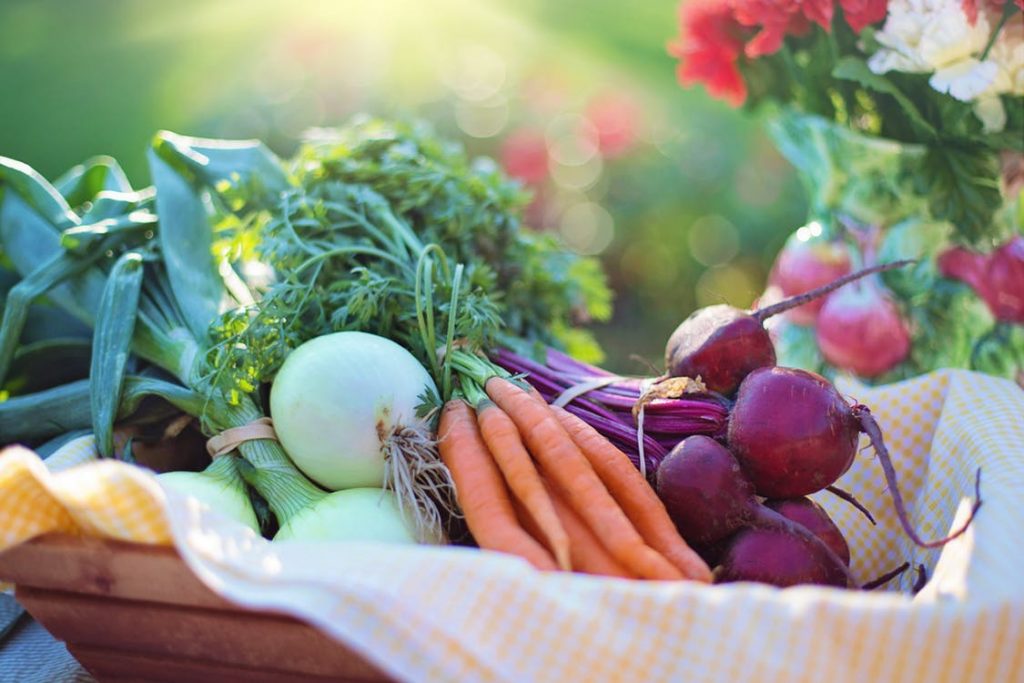
Summer is in full swing, and that means the gardening season has really begun. Seeds and seedlings have grown into sturdy, productive plants. Pollinators are out in grand numbers, and there’s no shortage of stuff to pick from the branches, vines and stems around the garden. Tomatoes are starting to ripen, eggplants are slowly appearing, green beans ready to pick. All your hard work won’t be worthwhile if you don’t keep up with the harvest. It’s one of the challenges I’ve faced over the years. Gardening will only be fruitful and save you money if you take full advantage of the fruits of your labor. I’ve put together some helpful tips to ensure you get the most out of this bountiful time of year.

Pick produce at the right time – Harvest vegetables when they’re ripe or near ripe. Too soon and you’ll end up with hard green tomatoes more sour than sweet. Too late and your eggplant may be seedy and bitter.

Harvest frequently – Pick vegetables often to signal to your healthy plants that they can keep right on producing. Some plants only produce a single crop (e.g., determinate tomatoes, potatoes, cabbage) but others like lettuce, beans, and squash will continue to provide until the first frost.

Collect recipes – Having recipes ready to go will ensure you’re prepared for an onslaught of tomatoes and a whole bunch of beets. Look for recipes that utilize preservation methods like fermentation, pickling, and canning, to prevent waste when plants produce in abundance.

Succession sow – When you’ve pulled certain plants from your garden because they’ve become unproductive or you’ve added them to your dinner plate don’t just let that space go to waste. Plant new seeds. Continually harvesting and sowing ensures you’ll always have something producing in your garden. If you garden in a cold climate, like me, choose varieties (e.g., cold hardy kale) that will mature in time for the fall and produce even when the mercury drops.

Keeping up with the rhythm of your garden means that you’ll take full advantage of all it has to offer. It can be overwhelming for first-time gardeners to get into a harvesting groove, but it’s worthwhile. Growing your own food will help you pinch pennies unless you don’t use what you grow. Not sure when it’s time to pick the veggies in your garden? It’s a good idea to keep seed packets, even if they’re empty. They contain valuable information. On the back of most packets, you’ll find how long it takes for a plant to mature, which should help you determine a ballpark harvesting time. The easiest way to tell for most plants? Appearance. The color and size of vegetables and fruits is a handy indicator that they’re ripe for the picking. For unique varieties, check out the photo on the seed pouch. If you’re still stuck, ask a veteran gardener or perform a quick Google search. Over time, you’ll get the hang of it, and you’ll intuitively know when it’s time to harvest.

Photograph of Steph Coelho.
Steph Coelho

Steph Coelho is a freelance writer gardening in zone 5b. She is a certified Square Foot Gardener and has taught various garden-related workshops. When she’s not digging in the dirt or writing, she’s cooking up fresh produce, running, or listening to her favorite podcasts.

Filed Under: Uncategorized

Previous Post: « Top Ten Frugal Gardening Tips
Next Post: Maximize the Harvest: Preparing Now for the Fall »

Reader Interactions

Leave a Reply Cancel reply

Your email address will not be published. Required fields are marked *

Primary Sidebar

Struggling to get your garden off the ground? Put those days behind you with our special starter kit – perfect for thrifty green thumbs everywhere. Get growing and add a splash of color today!

Popular Posts

  • usda free seeds websiteHow To Get Free Seeds From The Government by Amanda Blankenship Seeds might seem like a small expense, but any seasoned…
  • Enviro Ice On PlantsShould I Use Enviro Ice On My Plants? by Kathryn Vercillo Every week, I receive food from Hungryroot. It's a great…
  • is shredded paper good for the gardenFrom Trash to Treasure: Transform Shredded Paper Into Garden Gold by Amanda Blankenship Should you use shredded paper as garden mulch? It might…
  • Enviro IceWhat Happens to Plants If You Use Enviro Ice on Them? by Amanda Blankenship About a year ago, I wrote our first article about…
Can You Use Pruned Herb Stems to Start Free New Plants?

Can You Use Pruned Herb Stems to Start Free New Plants?

Fresh herbs already save money in the kitchen, but those trimmed stems can stretch a garden budget even further. Many common culinary herbs grow into entirely new plants from healthy cuttings, turning routine pruning into one of the easiest gardening tricks around. A handful of stems, a glass of water, and a little patience often…

Read More

Why Do Watermelons Split Just Before Harvest?

Why Do Watermelons Split Just Before Harvest?

There is nothing more heartbreaking than walking into the garden, spotting a beautiful watermelon ready for picking, and finding a giant crack running through the middle. Watermelon splitting happens because the fruit grows faster than its skin can handle, often after sudden changes in water availability. Knowing why this happens helps gardeners protect their sweet…

Read More

7 Edible Perennials That Can Fill Awkward Garden Spaces

7 Edible Perennials That Can Fill Awkward Garden Spaces

Tiny corners, narrow strips, and strange garden gaps often become the forgotten leftovers of a yard. Edible perennials offer a clever solution because they bring beauty, flavor, and reliable harvests without demanding a yearly planting marathon. Instead of staring at that awkward patch beside the fence or the empty area near the shed, gardeners can…

Read More

8 Ways to Keep a July Garden Productive Without Buying New Plants

8 Ways to Keep a July Garden Productive Without Buying New Plants

July often brings a strange mix of excitement and disappointment in the garden. Tomato vines stretch toward the sky, cucumbers seem to multiply overnight, and then suddenly a few beds start looking tired, wilted, or downright lazy. Many gardeners assume the only solution involves another trip to the garden center, but the plants already growing…

Read More

  • About
  • Contact Us
  • Garden Frugally
  • Buy These
  • Our Editorial Commitment
  • Navigation Menu: Social Icons

    • Facebook
    • Pinterest
    • Twitter
  • Facebook
  • Pinterest
  • Twitter

Copyright © 2026 · Foodie Pro & The Genesis Framework