
The air has a certain bite to it, a crispness that whispers of changing seasons. You tuck in your prized tomatoes and vibrant basil, hoping for just a few more weeks of harvest. Then morning arrives, and your garden is transformed into a silent, sparkling tableau of ice crystals. It’s equal parts beautiful and heartbreaking. Frost is the dramatic, unpredictable finale to the growing season for some, and a treacherous surprise for others. But here’s the secret: it doesn’t have to be a tragedy.
With a bit of know-how, you can become the hero of your own garden plot, outsmarting the forecast and extending your harvest by weeks, or even months. Let’s demystify the frost and turn you into a master of plant protection.
Understanding The Invisible Enemy
First, know that not all cold is created equal. A “frost” typically describes the formation of ice crystals on surfaces when the air temperature dips to 32°F (0°C). A “hard freeze,” usually below 28°F (-2°C) for several hours, is the real garden grim reaper. Frost occurs on clear, calm nights when the earth’s heat radiates rapidly into the atmosphere, a process called radiative cooling. Your plants aren’t just shivering in cold air; they’re actually losing their stored warmth to the open sky. Humidity plays a role too, as drier nights often lead to more severe frost. Understanding this science is your first strategic move, because you’re not just fighting temperature, you’re fighting the loss of radiant heat from your soil and plants.
The Art Of Microclimate Mastery
Your garden is a patchwork of microclimates, tiny zones that can be several degrees warmer or cooler than the general forecast. South-facing slopes capture more sun and are slower to cool. Areas near walls, fences, or paved surfaces absorb heat during the day and release it at night. Low spots and valleys, however, are “frost pockets” where cold, dense air settles like water. Use this to your advantage by planting tender specimens in the warmer, sheltered zones and reserving the lower areas for frost-hardy champions.
Even a simple rock pile or water barrel can act as a thermal mass, soaking up warmth and moderating nearby temperatures. Mapping your garden’s microclimates is like having a secret weather map that gives your plants a hidden advantage.
Classic Cover-Up Techniques
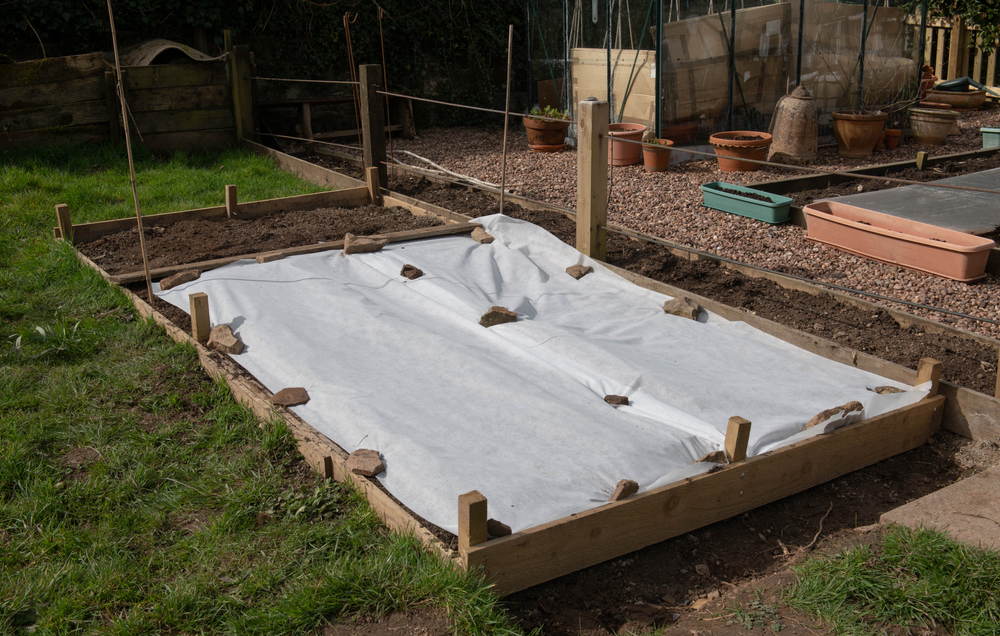
When frost threatens, your go-to move is to throw a blanket over your garden—literally. The key is to use breathable fabrics like frost cloth, row covers, old bedsheets, or even burlap. These materials trap the earth’s radiating heat, creating a cozy pocket of warmer air around your plants.
Always drape your cover so it extends to the ground, and use stakes or hoops to keep it from touching the foliage, as contact can transfer the cold. Secure the edges with rocks or soil to lock in that precious heat. Remember to remove the covers once the morning sun has warmed the air above freezing, so your plants can breathe and soak up the sunlight. This simple act is the single most effective defense for most gardeners.
Water: Your Surprising Nighttime Ally
It seems counterintuitive, but a well-watered garden is more frost-resistant than a dry one. Moist soil retains heat far better than dry soil and will release that warmth slowly throughout the night. The most intriguing trick, however, is using water directly on plants. As water freezes on plant tissues, it releases a small amount of latent heat, which can keep the plant’s critical cells just a degree or two warmer. This method, used extensively in orchards, requires constant, fine misting as temperatures drop and is a high-stakes game for advanced players. For the home gardener, the straightforward advice is simple: water your garden thoroughly during the day if frost is predicted that night.
Last-Resort Tactics For Hard Freezes
When a hard freeze is barreling in, it’s time to pull out all the stops. For container plants, the answer is easy: move them to a garage, shed, or porch. For in-ground plants, consider creating temporary shelters with cardboard boxes or plastic buckets—just remember to vent plastic if the sun will hit it. Holiday string lights (the old-school incandescent kind, not LEDs) generate just enough warmth to make a difference when strung under covers.
In a true pinch, you can use a jug of hot water placed under a cover-clamped bucket to create a miniature greenhouse effect. The goal is to create an insulated, protected space that buffers your plants from the coldest, most damaging hours of the night.
Share Your Frosty Tales!
Now it’s your turn! What’s your most creative frost protection hack? Did you ever save a plant against all odds, or learn a tough lesson from an unexpected freeze? We’d love to hear your stories, tips, and questions. Drop your thoughts in the comments section below and let’s create a thriving community of frost-fighting gardeners!
You May Also Like…
How to Wrap Shrubs Like a Pro and Keep Them Safe from Frost
Why Soil Tilth Improves After Frost
12 Crops That Need Extra Watering Before Frost
Why Pollinator Hotels Should Be Built Before Frost
Why Frost Tolerant Crops Taste Sweeter

Brandon Marcus is a staff writer for FrugalGardening.com at District Media, Inc., where he delivers practical gardening advice with a relatable, no-nonsense style. An avid amateur gardener, he holds a BA degree and with over ten years of professional writing experience, he is also an award-winning published author whose first book, Questions For Deep Thinkers, was released by Adams Media. His work has appeared in major publications including Fandom.com, CHUD.com, TheColdWire.com, and Fansided.com.
Leave a Reply