• Skip to primary navigation
  • Skip to main content
  • Skip to primary sidebar

Frugal Gardening

Simple ways to save money while you garden

  • About
  • Contact Us
  • Garden Frugally
  • Buy These
  • Privacy Policy
  • Navigation Menu: Social Icons

    • Facebook
    • Pinterest
    • Twitter

Is Double Digging Worth It? Let’s Find Out!

April 28, 2020 by Steph Coelho Leave a Comment

is double digging worth it

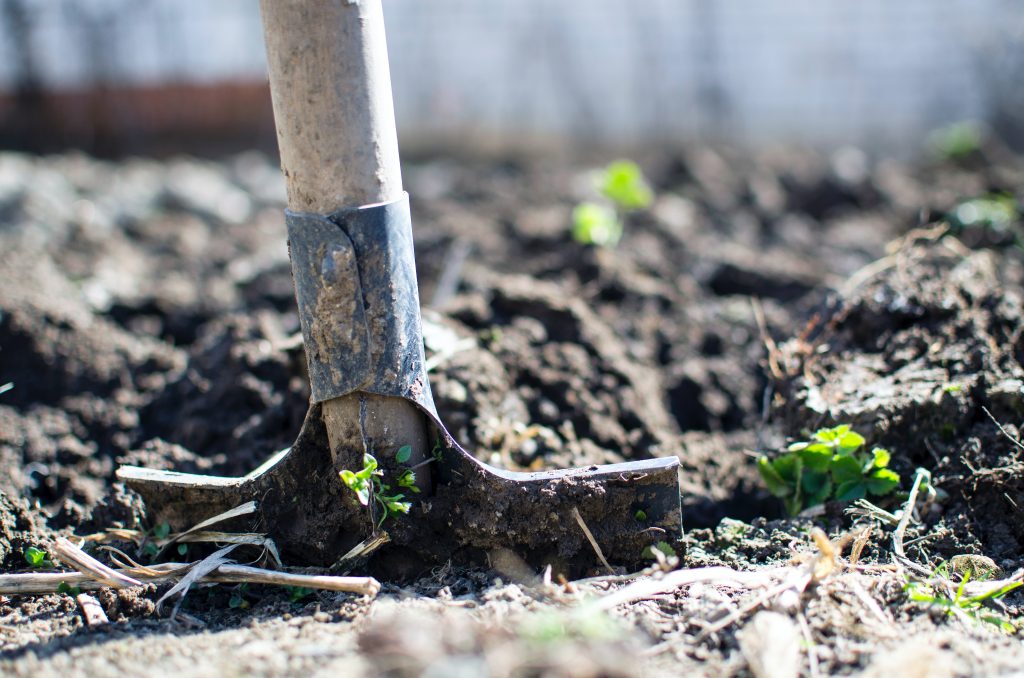
Double digging is often touted as a cost-free way to improve the condition of your soil. But is double-digging worth it? While it doesn’t require any monetary investment, this garden practice necessitates plenty of manual effort. Not every gardener has the strength to put into double digging. Is it double digging worth it? Should you invest a ton of energy into this method? Let’s find out.

The advantages of double digging

Double digging, also sometimes described as tilling, has quite a few vehement opposers. This gardening method, however, does have a few clear advantages, including:

It loosens the soil. Loosening the soil has its benefits and drawbacks. Compacted soil is undesirable, after all. Amending and digging the topsoil helps to aerate the earth and increase nutrient content within that first layer.

It’s an excellent method for starting a garden. Often, double digging is the primary method used when establishing a new garden plot. It’s an effective way to turn a swath of grass lawn into a productive garden.

It’s quick. It’s a quick way to achieve results as opposed to no-till gardening, which requires patience to improve soil quality. That said, quick solutions don’t necessarily lead to positive outcomes in the long-term.

Here are some of Amazon’s Choice for the best double digging tools.


The disadvantages of double digging

While tilling is often used interchangeably with the term double digging, some advocates for double dig gardening argue that the two are not quite the same. While tilling involves disrupting deep layers of soil and overall soil structure, double digging typically only affects the top-most layer of soil. Still, many gardeners prefer a no-dig approach to gardening, which helps maintain soil health. There are a few other notable disadvantages to digging up a bed in this way:

It brings up weeds. Double digging causes weed seeds that were too deep to germinate to come up to the surface.

It disrupts soil structure. Deep digging can, quite literally, turn soil structure upside down. This, in turn, leads to further issues with compaction down the road. Healthy soil is less likely to become compacted and is more capable of retaining moisture.

How to avoid soil compaction

Compacted soil is one of the top reasons gardeners till and double dig the soil. Doing so loosens up the earth and creates (albeit often temporary) improved soil conditions for planting. Here’s how to avoid compaction in the first place:

Never step or walk on garden soil. Create paths around your garden beds to ensure easy access that doesn’t require trampling all over the earth.

Don’t till when the soil is wet. This further damages the structure of the soil and encourages further compaction.

Limit tilling and double digging. Excess tilling and digging might temporarily loosen up your soil, but over time it’s likely to have the opposite effect.

An alternative: no-dig gardening

If you’re interested in trying out a no-till gardening method, check out this YouTube video explainer on lasagna gardening, which is a low-cost alternative to the double dig method.

 

Photograph of Steph Coelho.
Steph Coelho

Steph Coelho is a freelance writer gardening in zone 5b. She is a certified Square Foot Gardener and has taught various garden-related workshops. When she’s not digging in the dirt or writing, she’s cooking up fresh produce, running, or listening to her favorite podcasts.

Filed Under: gardening methods Tagged With: double dig, double-digging, lasagna gardening, no-till

Previous Post: « 5 Ways to Banish Weeds Without Breaking the Bank
Next Post: Hardening Off Plants Headache-Free »

Reader Interactions

Leave a Reply Cancel reply

Your email address will not be published. Required fields are marked *

Primary Sidebar

Struggling to get your garden off the ground? Put those days behind you with our special starter kit – perfect for thrifty green thumbs everywhere. Get growing and add a splash of color today!

Popular Posts

  • usda free seeds websiteHow To Get Free Seeds From The Government by Amanda Blankenship Seeds might seem like a small expense, but any seasoned…
  • Enviro Ice On PlantsShould I Use Enviro Ice On My Plants? by Kathryn Vercillo Every week, I receive food from Hungryroot. It's a great…
  • is shredded paper good for the gardenFrom Trash to Treasure: Transform Shredded Paper Into Garden Gold by Amanda Blankenship Should you use shredded paper as garden mulch? It might…
  • Enviro IceWhat Happens to Plants If You Use Enviro Ice on Them? by Amanda Blankenship About a year ago, I wrote our first article about…
5 Natural Methods to Repel Ants Without Toxic Chemicals

5 Natural Methods to Repel Ants Without Toxic Chemicals

Ants don’t knock before they invade, and once they set foot in your home, they march like tiny invaders on a mission. One moment, your kitchen looks pristine; the next, there’s a trail of determined little workers dragging crumbs twice their size across your countertops. Forget toxic sprays that leave a chemical haze over your…

Read More

The Safe Way to Use Coffee Grounds Without Damaging Plants

The Safe Way to Use Coffee Grounds Without Damaging Plants

Coffee isn’t just the lifeblood of mornings—it’s secretly a superhero in your garden too. Those leftover coffee grounds hiding in the kitchen aren’t trash; they’re miniature power-packed bundles of nutrients ready to give your plants a boost. Imagine turning your morning ritual into a green-thumbed adventure while reducing waste at the same time. It’s like…

Read More

How to Protect Seedlings From Cold Nights Without Buying Covers

How to Protect Seedlings From Cold Nights Without Buying Covers

Cold nights can strike tiny seedlings like a stealthy ninja, and even the healthiest ones can wilt and waver when temperatures dip unexpectedly. Protecting them doesn’t have to involve spending a fortune on fancy covers or plastic cloches. In fact, a little creativity and some everyday items around the house can shield these tender little…

Read More

DIY Irrigation Systems for Small Gardens That Cost Under $20

DIY Irrigation Systems for Small Gardens That Cost Under $20

Have you ever stared at your tiny garden on a blazing summer day, secretly wishing the plants could water themselves while you kick back with a lemonade? The truth is, watering plants doesn’t have to feel like a chore or burn a hole in your wallet. In fact, some of the most clever irrigation systems…

Read More

  • About
  • Contact Us
  • Garden Frugally
  • Buy These
  • Privacy Policy
  • Navigation Menu: Social Icons

    • Facebook
    • Pinterest
    • Twitter
  • Facebook
  • Pinterest
  • Twitter

Copyright © 2026 · Foodie Pro & The Genesis Framework