• Skip to primary navigation
  • Skip to main content
  • Skip to primary sidebar

Frugal Gardening

Simple ways to save money while you garden

  • About
  • Contact Us
  • Garden Frugally
  • Buy These
  • Privacy Policy
  • Navigation Menu: Social Icons

    • Facebook
    • Pinterest
    • Twitter

How Much Dirt Does my Raised Bed Garden Need?

November 25, 2019 by Steph Coelho Leave a Comment

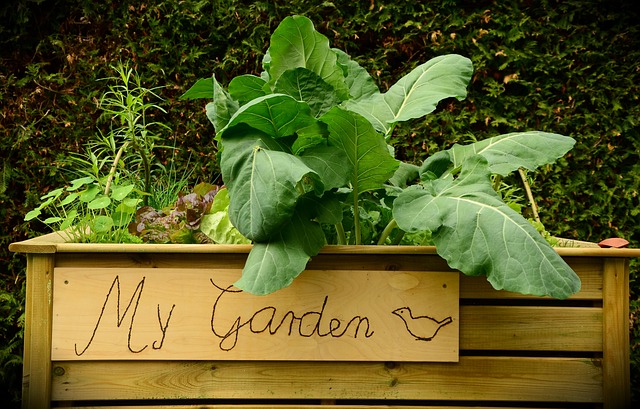
One of the benefits of raised bed gardening is the ability to use your own soil mix. It’s a serious advantage for those stuck living in places where the soil quality is poor or where there’s no soil to speak of (e.g., those who have a concrete yard). 

But how do you figure out how much dirt you need for your raised bed? It seems daunting, but it’s really a simple math problem. 

How much soil do you need?

Here’s what you need to calculate how much soil your garden bed requires:

The Dimensions of Your Garden Bed(s): What’s the total volume of the bed’s interior? Think back to high school math class now. Volume is determined by multiplying width, height, and depth.

Here’s a real-world example:

  • My beds are 4 feet by 4 feet, with a depth of 3 feet. The volume of the interior is 4 x 4 x 3 = 48 cubic feet. 
  • If you have more than one bed, you’ll need to multiply that total to get your final volume required. 
  • I have four beds of this size, so I’ll need a total of 48 x 4 = 192 cubic feet of soil. 

Thankfully, most soil is sold by the cubic foot, so it should be reasonably easy to figure out how many bags or truckloads you’ll need to be delivered. 

Buying from somewhere that uses a different unit of measurement? Use a simple conversion calculator online. 

Your Soil Mix

You’ve figured out how much soil you need to fill your raised beds. Great! Now it’s time to decide what type of mix you’ll use to fill them. 

Some garden centers sell and deliver soil mixes in bulk, but they’re not always the right blend for a vegetable garden. Ask what the mix consists of before ordering.

The Square Foot Gardening Foundation recommends equal parts of the following when creating a homemade soil mix (also called Mel’s Mix) for raised beds:

  • Compost (preferably from a variety of sources)
  • Peat moss
  • Vermiculite 

The mix promotes proper airflow and drainage. It’s also filled with nutrients and doesn’t dry out as quickly as other soil mixes.

Soil Mix on a Budget

Struggling with the high cost of bags of soil, compost, vermiculite, and peat moss? Check with your local garden center to find out about the cost of soil delivery. Deliveries in bulk — dumped in your driveway or on your property and not in bags — are typically cheaper than buying bags separately. 

If that still seems too pricey, consider filling your boxes with compost only. It’s not an ideal solution, but it’s a workable and affordable one.

Because my boxes are quite high, filling them was a huge and expensive challenge. I had to find workarounds to be able to fill them without enough soil.


Bulk Up Your Beds

If you’re on a tight budget, consider the use of filler materials to reach the desired soil level in your raised beds. 

Use inexpensive things to bulk up your raised beds. Examples include:

  • Dead leaves
  • Sand
  • Layers of cardboard
  • Leftover dirt from construction projects (check online marketplaces for free dirt available around town)
  • Rocks
  • Poor-quality soil (snatch up cheap bags of filler soil at your local hardware store when it goes on sale . Fill up the bottom of your beds with the lower-quality stuff before adding a premium or custom mix on top)

Photograph of Steph Coelho.
Steph Coelho

Steph Coelho is a freelance writer gardening in zone 5b. She is a certified Square Foot Gardener and has taught various garden-related workshops. When she’s not digging in the dirt or writing, she’s cooking up fresh produce, running, or listening to her favorite podcasts.

Filed Under: Uncategorized Tagged With: compost, earth, raised bed, raised garden bed, soil

Previous Post: « Repel Cockroaches Naturally Using These Ingredients At Home
Next Post: A Restful Season »

Reader Interactions

Leave a Reply Cancel reply

Your email address will not be published. Required fields are marked *

Primary Sidebar

Struggling to get your garden off the ground? Put those days behind you with our special starter kit – perfect for thrifty green thumbs everywhere. Get growing and add a splash of color today!

Popular Posts

  • usda free seeds websiteHow To Get Free Seeds From The Government by Amanda Blankenship Seeds might seem like a small expense, but any seasoned…
  • Enviro Ice On PlantsShould I Use Enviro Ice On My Plants? by Kathryn Vercillo Every week, I receive food from Hungryroot. It's a great…
  • is shredded paper good for the gardenFrom Trash to Treasure: Transform Shredded Paper Into Garden Gold by Amanda Blankenship Should you use shredded paper as garden mulch? It might…
  • Enviro IceWhat Happens to Plants If You Use Enviro Ice on Them? by Amanda Blankenship About a year ago, I wrote our first article about…
The Root Rot Warning Signs Most Gardeners Miss

The Root Rot Warning Signs Most Gardeners Miss

A droopy tomato plant or a sad-looking fern usually sends gardeners sprinting for the watering can, but that instinct often makes a bad situation much worse. Root rot sneaks into gardens quietly, and it loves gardeners who mistake stress for thirst. Root rot thrives in soggy soil, poor drainage, and containers that trap moisture like…

Read More

7 Companion Pairings That Boost Growth Naturally

7 Companion Pairings That Boost Growth Naturally

A great garden doesn’t just happen by accident. Smart gardeners know that certain plants practically throw a backyard party when they grow side by side, helping each other fight pests, improve flavor, attract pollinators, and even grow faster. Companion planting turns an ordinary vegetable patch into a hardworking ecosystem that saves money, cuts down on…

Read More

5 Affordable Soil Improvements That Make a Big Difference

5 Affordable Soil Improvements That Make a Big Difference

Spring gardening dreams usually start with visions of giant tomatoes, colorful flower beds, and lush green lawns that look straight out of a magazine. Then reality hits when plants struggle, weeds explode, and the soil feels more like concrete than something roots could actually grow in. Many homeowners rush to buy expensive fertilizers, fancy raised…

Read More

Why Seeds Fail to Sprout Even in Ideal Conditions

Why Seeds Fail to Sprout Even in Ideal Conditions

Fresh seed packets, fluffy soil, and perfect spring weather create big dreams for backyard gardeners across America. Nothing crushes that excitement faster than a stubborn tray of empty dirt that refuses to produce even one tiny green sprout. Many gardeners assume bad luck caused the failure, but seeds usually send clear signals long before they…

Read More

  • About
  • Contact Us
  • Garden Frugally
  • Buy These
  • Privacy Policy
  • Navigation Menu: Social Icons

    • Facebook
    • Pinterest
    • Twitter
  • Facebook
  • Pinterest
  • Twitter

Copyright © 2026 · Foodie Pro & The Genesis Framework