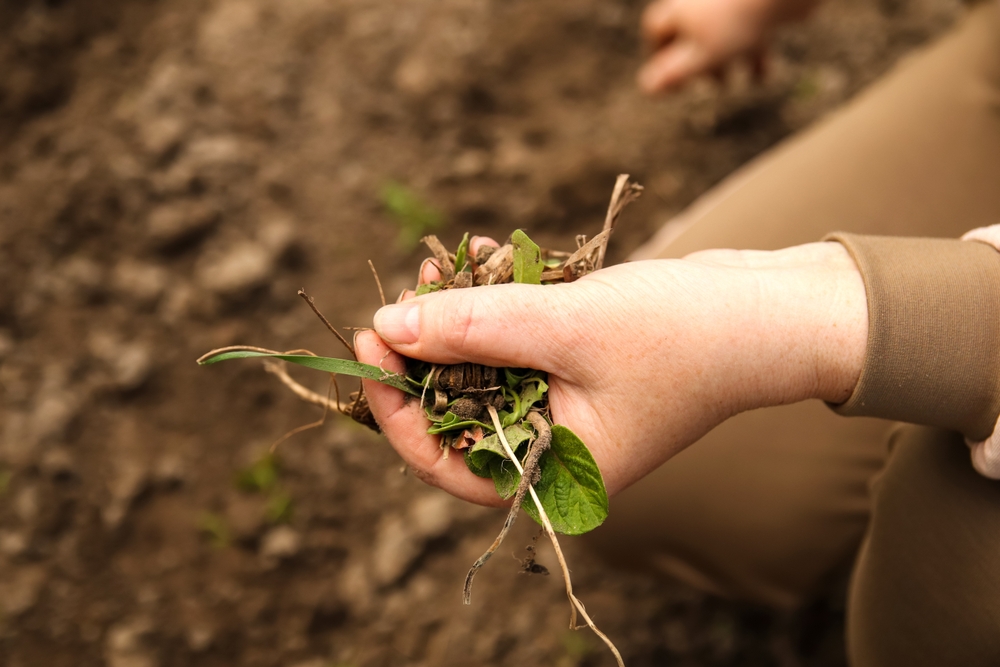
September is a magical month for anyone who loves foraging. The air is cooler, the days are shorter, and your backyard or local park might be hiding little treasures you never noticed before. While many people pull weeds out of habit, some of those “annoying” plants are actually edible, nutritious, and even delicious. From tangy greens to subtly sweet leaves, these weeds can add flavor, texture, and a touch of adventure to your meals.
If you’ve ever wanted to spice up your salads or experiment with wild cooking, September is the perfect time to explore these hidden edible gems.
1. Dandelion Greens Are More Than A Weed
Dandelions are everywhere, and most people automatically see them as a nuisance. The truth is, every part of the plant is edible, from the roots to the flowers. Their greens are slightly bitter, which makes them perfect for adding complexity to salads or sautéing with garlic. The bright yellow flowers can also be used to make tea, infused oil, or even homemade dandelion wine. By embracing dandelions, you’re turning a common weed into a versatile ingredient that’s packed with vitamins A, C, and K.
2. Chickweed Adds A Tender Crunch
Chickweed might look like an ordinary, low-growing plant, but it’s surprisingly edible. Its small, delicate leaves have a mild flavor, making them great for fresh salads or sandwiches. Chickweed also works well as a garnish or blended into smoothies for a subtle nutrient boost. Foragers love it because it grows abundantly in September and is easy to identify with its small white flowers. Plus, it’s rich in minerals and antioxidants, making it a tiny powerhouse hiding in plain sight.
3. Purslane Is A Tart Delight
Purslane often appears in lawns and garden beds as a creeping, reddish-stemmed weed. What makes it exciting is its slightly tangy, lemony flavor that can brighten up salads, stir-fries, or soups. The succulent leaves are packed with omega-3 fatty acids, which are rare in plant foods. Even better, purslane grows quickly and can withstand cooler September temperatures. For anyone looking to add a nutritional punch to their meals, this hardy weed is a top choice.
4. Lamb’s Quarters Are The Perfect Spinach Substitute
Lamb’s quarters is sometimes called “wild spinach” for good reason. Its tender, triangular leaves have a flavor similar to spinach but slightly nuttier, making it perfect for cooking or eating raw. This weed is easy to forage in September, especially in sunny patches near fields or gardens. It’s packed with vitamins A and C, calcium, and iron, making it a highly nutritious addition to your diet. Whether you sauté it, add it to quiches, or toss it in a salad, lamb’s quarters is versatile and abundant.
5. Plantain Leaves Fight Boredom And Bugs
Plantain, the broad-leafed variety, often gets overlooked as a common lawn weed. Its leaves are edible and can be used in teas, soups, or lightly sautéed dishes. Younger leaves are tender and slightly sweet, while mature leaves work well in cooked recipes. Beyond being edible, plantain has natural medicinal properties, helping soothe minor insect bites and skin irritations. For gardeners and foragers alike, it’s a useful plant that’s hard to avoid during September’s harvest season.
6. Creeping Charlie Brings Unexpected Flavor
Creeping Charlie, also called ground ivy, might be seen as a persistent garden invader. However, its minty flavor makes it a fun addition to salads, teas, and pesto. The plant produces small purple flowers that add a pop of color and subtle taste to dishes. It grows quickly in September, especially in shaded, moist areas. Experimenting with creeping Charlie can turn your perception of a pesky weed into a culinary opportunity.
7. Sorrel Offers Tangy Punch
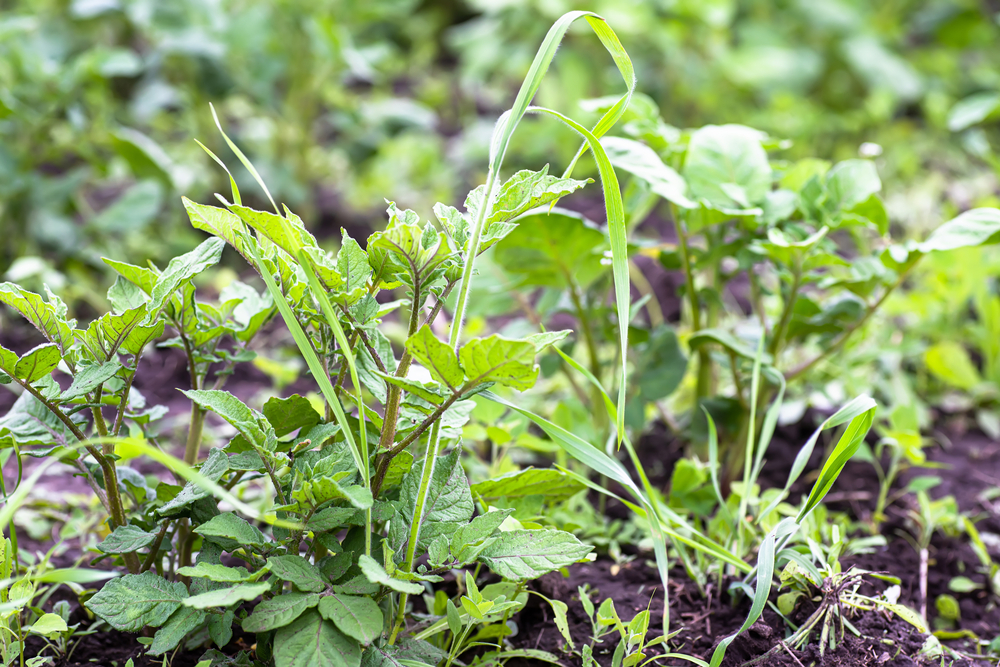
Sorrel is a bold leafy green that appears in late summer and thrives in September’s cool weather. Its sharp, lemony flavor adds brightness to soups, sauces, and salads. Sorrel is packed with vitamin C, which can boost immunity as the seasons shift. It grows best in partial shade and can often be found near garden edges or wild grassy areas. For those willing to embrace its tartness, sorrel can elevate everyday dishes with a tangy twist.
8. Burdock Root Is A Hidden Gem
Burdock is famous in herbal medicine, but its root is also edible and flavorful. It grows long and slender underground, so harvesting takes a bit of digging, but it’s worth the effort. The root has a sweet, earthy taste and can be roasted, boiled, or pickled. Burdock is nutrient-rich, containing fiber, potassium, and antioxidants that support overall health. If you love root vegetables and want to try something wild, September is a great time to harvest burdock before the first frost.
9. Nettles Pack A Surprising Nutritional Punch
Stinging nettles may make you cautious at first, but they are one of the most nutritious weeds you can forage. Once cooked or dried, the sting disappears, leaving behind leaves rich in iron, calcium, and protein. Nettles can be used in soups, teas, or even pesto for a green boost. They thrive in moist, fertile soil and are easy to spot in early fall. Embracing nettles means turning a formidable-looking weed into a delicious, healthy addition to your plate.
Embrace September’s Wild Bounty
September is an ideal month to explore edible weeds, turning overlooked plants into culinary adventures. From the tangy kick of sorrel to the tender crunch of chickweed, these nine weeds can transform salads, soups, teas, and stir-fries into something unexpected and exciting. Learning to identify and harvest edible weeds not only adds variety to your meals but also connects you with the natural rhythms of your local environment. The more you experiment, the more confident you’ll become in foraging, and the more flavor you’ll add to everyday dishes.
Have you tried any edible weeds this season, or do you have favorite recipes using them? Share your experiences, tips, or wild finds in the comments section below.
You May Also Like…
Killing Weeds with Diesel? Here’s What You Need to Know First
10 Garden Tasks That Prevent Spring Weeds
9 Weeds That Spread Toxic Pollen Without Warning
5 Wild Edibles to Forage in October
10 Plants Deer Target More Often in Fall

Brandon Marcus is a staff writer for FrugalGardening.com at District Media, Inc., where he delivers practical gardening advice with a relatable, no-nonsense style. An avid amateur gardener, he holds a BA degree and with over ten years of professional writing experience, he is also an award-winning published author whose first book, Questions For Deep Thinkers, was released by Adams Media. His work has appeared in major publications including Fandom.com, CHUD.com, TheColdWire.com, and Fansided.com.
Leave a Reply