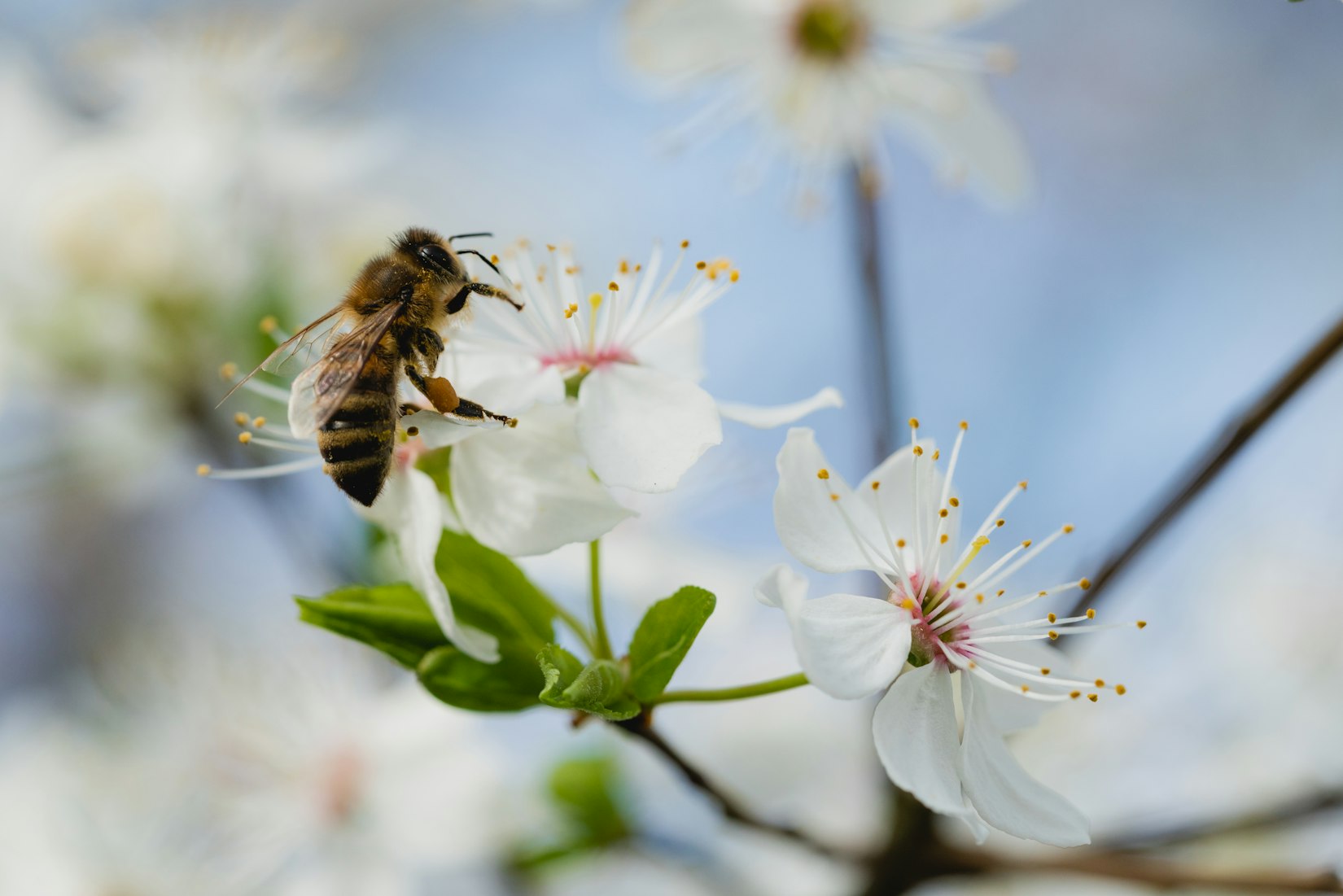
Gardens are more than just an attractive feature in one’s home. They also help boost ecological balance by supporting pollinators. But before we go into designing a pollinator-friendly garden, let’s refresh our memory on some basic biology concepts.
What are pollinators, and why are they important?
The process of transferring pollen to the reproductive parts of plants is called pollination. This is the first step to fertilizing plants, which results in the food that we eat — namely fruits and vegetables — and a variety of other flowering plants that also provide us with raw materials.
Though plants can self-pollinate, wind and water also help with the transfer of pollen, and the majority of flowering plants rely on the help of animals to do so. Findings from the journal Oikos indicates that 87.5% of the world’s flowering plants are animal-pollinated, which accounts for around 308,006 plant species. This figure highlights the urgent need to preserve the population of these humble agricultural heroes, especially as they continue to be threatened by habitat loss and the widespread use of chemicals.
The most common pollinators are bees, wasps, butterflies, birds, as well as many other insects and small mammals. If you see insects hovering around and feeding off of your garden’s beautiful flowers, don’t shoo them away! What you’re witnessing is a magical process in nature — something that we humans quite literally cannot live without.
How to attract pollinators
1. Plant a variety of flowers: Ensuring diversity in your garden is the best way to entice different kinds of pollinators. For example, sunflowers and hyacinths are particularly appealing to honeybees, while butterflies are partial to mild-scented plants like lavender and pansies. Consider planting native species, as they’re more adapted to the local environmental factors and will also attract native pollinators.
2. Plant flowers in masses: There are some species that have difficulty in locating flowering plants. Butterflies, for example, need to be within 10-12 feet of an object for them to see it. What helps in this case is to plant flowers in big clumps, so they’re a lot easier to spot.
3. Reduce or eliminate use of pesticide: If you absolutely have to, researchers from Michigan State University suggest spraying pesticides at night or early in the morning, when most pollinators are asleep or away. Treat specific plants individually rather than spraying your entire garden with chemicals. Alternatively, opt for organic pest control solutions or low-toxicity pesticides to minimize harm to pollinators.
4. Consider the plant seasonality: You also want to think about plant seasonality to ensure that you have beautiful blooms all year-round. When it comes to pollinators, a consistent supply of nectar is key to keeping them around.
Here are some additional tips if you want to attract specific pollinators:
• Bees: Recalling our article on ‘Creating Bee-Friendly Landscaping for Your Home’, you want to make sure that your plants also provide enough cover. Some bees like to burrow, some like to build nests, and some like to settle in hollow spots, so keep that in mind when attracting bees.
• Wasps: Like bees, wasps also like to take shelter in holes, so consider adding a decorative log with holes in, somewhere in your garden. You can also cultivate plants that attract wasps, such as sweet fennel, Queen Anne’s Lace, yarrow, and spearmint. Just be sure to keep them away from your house, because if they sting you, it will hurt. A feature on how to deal with wasps by HomeServe recommends putting sugary food away, as well as disposing rubbish and covering trash bins in the correct manner. If you don’t it will be like an open invitation for them to enter your house through a door or window. Wasps are attracted to sweets, so be sure you have plenty of flowers in your garden that will attract them.
• Birds: Hummingbirds are some of the most common avian pollinators. The Spruce notes that they’re attracted to water sources, which means that including a simple water feature in your garden enables them to drink from it, and is a great way to invite them over. A hummingbird feeder with nectar is also an easy way to entice them.
Leave a Reply