• Skip to primary navigation
  • Skip to main content
  • Skip to primary sidebar

Frugal Gardening

Simple ways to save money while you garden

  • About
  • Contact Us
  • Garden Frugally
  • Buy These
  • Our Editorial Commitment
  • Navigation Menu: Social Icons

    • Facebook
    • Pinterest
    • Twitter

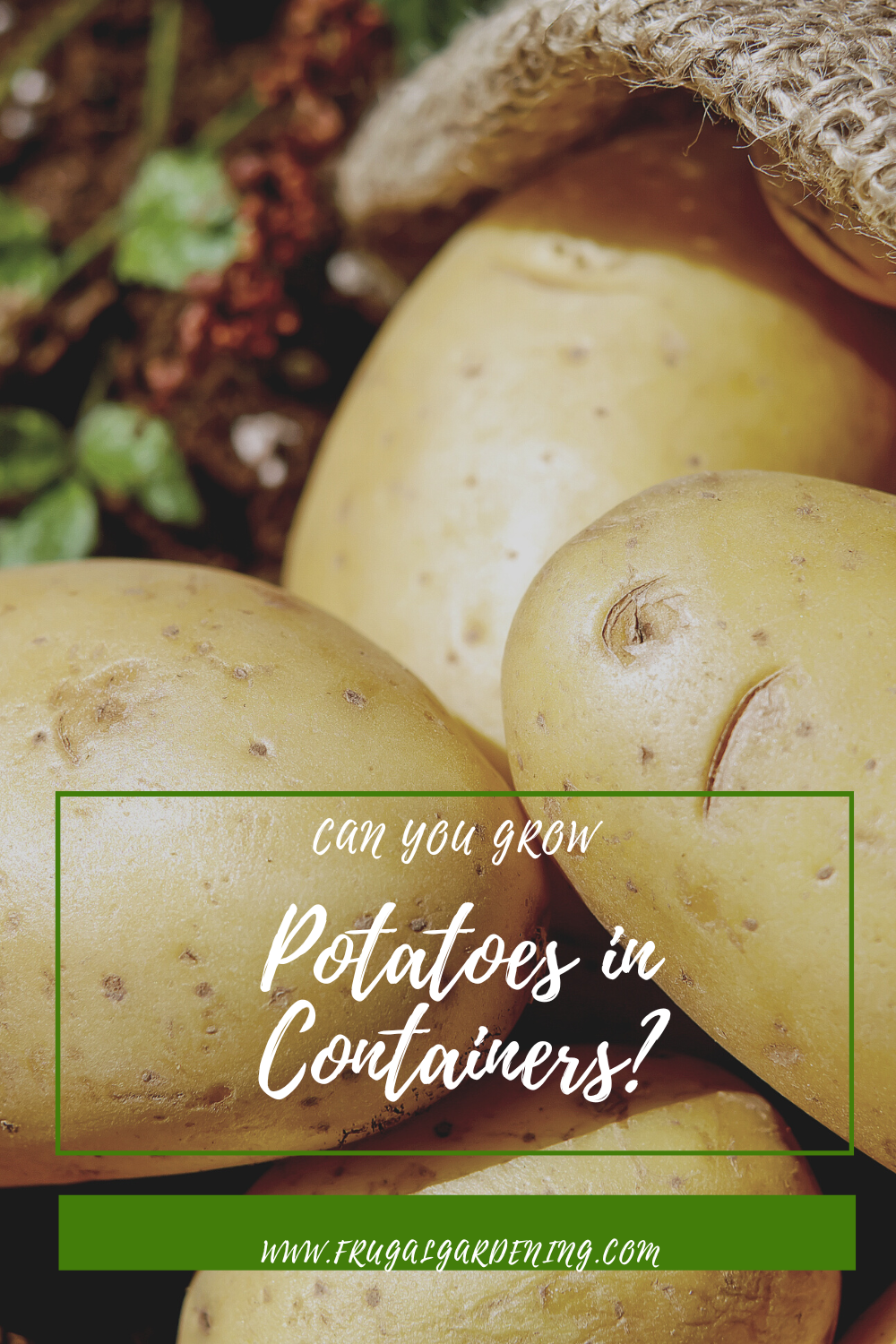
Can You Grow Potatoes in Containers?

March 16, 2020 by Steph Coelho Leave a Comment


Growing potatoes is so incredibly fun. With a little bit of patience, you’ll be digging up spuds towards the end of the season. The taste of freshly dug potatoes is unparalleled. People say the same about tomatoes, but I genuinely think potatoes win the contest for best-tasting garden edible. Compared to a storebought potato, one from the earth has a creamy, potato-y quality that’s impossible to match. There’s also so much more variety available when choosing seed potatoes compared to shopping the root vegetable aisle at your local grocer: fingerling potatoes, red-skinned varieties, and even blue spuds. But how do you grow potatoes if you don’t have tons of in-ground space?

Can You Grow Potatoes in Containers?

Yes! Absolutely! I wholly recommend growing them in containers instead of using in-ground real estate or large raised beds. A single 5-gallon container yields about 1.5 pounds of potatoes.

Benefits of Growing Potatoes in Containers

What’s the advantage of growing potatoes in containers? Here are the benefits of growing in containers:

  • Inexpensive. There’s no need to build a garden bed, there are plenty of cheap container options available from fabric pots to upcycled vessels like empty recycling bins.
  • Easy to relocate. Did you plop the containers somewhere where you’ve realized there’s not enough sun? Simply drag the containers to a sunnier spot.
  • Easy harvest. No need to dig around for hours to find spuds. Dump out the container and sift through the dirt. Since you’re less likely to leave behind diseased potatoes, there’s also a decreased chance of pest and disease in the following year.
  • Great for small spaces. Don’t have a large garden? You might think it’s time to give up on planting potatoes. Not so fast! Containers are great for gardeners with limited room. Grow taters or your porch or balcony.

How to Grow Potatoes in Containers

Plant 1-2 seed potatoes in a single 5-gallon bucket and double that amount for large containers. Fill your container up with enough soil (mixed with plenty of compost) to cover those newly planted seed potatoes.

As days go by, you’ll notice foliage start to appear. Continue to add enough soil mix to cover the stems and tubers, but don’t bury the leaves.

Potatoes need plenty of sun and regular watering. However, it’s best to avoid high-nitrogen fertilizers as they will increase foliage production but reduce tuber formation.

When Do I Harvest Potatoes?

Potatoes are ready to harvest when the tops have completely died back. Attempting to dig them up too soon may hinder tuber development and leave you with a smaller crop. Still not sure when the time is right? Read more about harvesting potatoes.

Photograph of Steph Coelho.
Steph Coelho

Steph Coelho is a freelance writer gardening in zone 5b. She is a certified Square Foot Gardener and has taught various garden-related workshops. When she’s not digging in the dirt or writing, she’s cooking up fresh produce, running, or listening to her favorite podcasts.

Filed Under: container gardening, potatoes Tagged With: containers, potatoes

Previous Post: « How to Design a Pollinator-Friendly Garden
Next Post: The Pandemic: a Gardener’s View »

Reader Interactions

Leave a Reply Cancel reply

Your email address will not be published. Required fields are marked *

Primary Sidebar

Struggling to get your garden off the ground? Put those days behind you with our special starter kit – perfect for thrifty green thumbs everywhere. Get growing and add a splash of color today!

Popular Posts

  • usda free seeds websiteHow To Get Free Seeds From The Government by Amanda Blankenship Seeds might seem like a small expense, but any seasoned…
  • Enviro Ice On PlantsShould I Use Enviro Ice On My Plants? by Kathryn Vercillo Every week, I receive food from Hungryroot. It's a great…
  • is shredded paper good for the gardenFrom Trash to Treasure: Transform Shredded Paper Into Garden Gold by Amanda Blankenship Should you use shredded paper as garden mulch? It might…
  • Enviro IceWhat Happens to Plants If You Use Enviro Ice on Them? by Amanda Blankenship About a year ago, I wrote our first article about…
6 Container-Friendly Options That Grow Quickly

6 Container-Friendly Options That Grow Quickly

Container gardening delivers serious rewards in tiny spaces, turning patios, balconies, and even sunny windowsills into productive green zones. Fast-growing plants add extra excitement because they deliver results before patience runs thin. Many of these options also thrive in tight soil conditions, making them perfect for pots and raised containers. Quick harvest cycles help gardeners…

Read More

Why Sun Exposure Determines Growth Success

Why Sun Exposure Determines Growth Success

Sun exposure determines how well a garden thrives, from seedling stage to harvest time. Strong sunlight shapes plant energy, growth speed, and overall resilience across every growing zone. Garden beds that receive consistent light produce more vibrant foliage, stronger stems, and heavier yields. Light also influences how efficiently plants convert nutrients into usable energy for…

Read More

8 Warm Climate Favorites That Handle Heat Easily

8 Warm Climate Favorites That Handle Heat Easily

Hot weather doesn’t have to flatten a garden’s personality. Some plants actually lean into the heat and come alive when temperatures climb. These sun-loving champions bring color, texture, and fragrance even during long, dry stretches. Gardeners who pick the right varieties save water, reduce maintenance, and still enjoy vibrant outdoor spaces. This list highlights reliable…

Read More

5 Soil Improvement Methods That Increase Yield

5 Soil Improvement Methods That Increase Yield

Gardens don’t fail because of bad seeds nearly as often as they fail because of tired, depleted soil. Soil acts like the engine of every garden, and when it runs low on nutrients, plants struggle to perform. Smart gardeners know that improving soil quality creates stronger roots, healthier plants, and noticeably bigger harvests. Every shovel…

Read More

  • About
  • Contact Us
  • Garden Frugally
  • Buy These
  • Our Editorial Commitment
  • Navigation Menu: Social Icons

    • Facebook
    • Pinterest
    • Twitter
  • Facebook
  • Pinterest
  • Twitter

Copyright © 2026 · Foodie Pro & The Genesis Framework