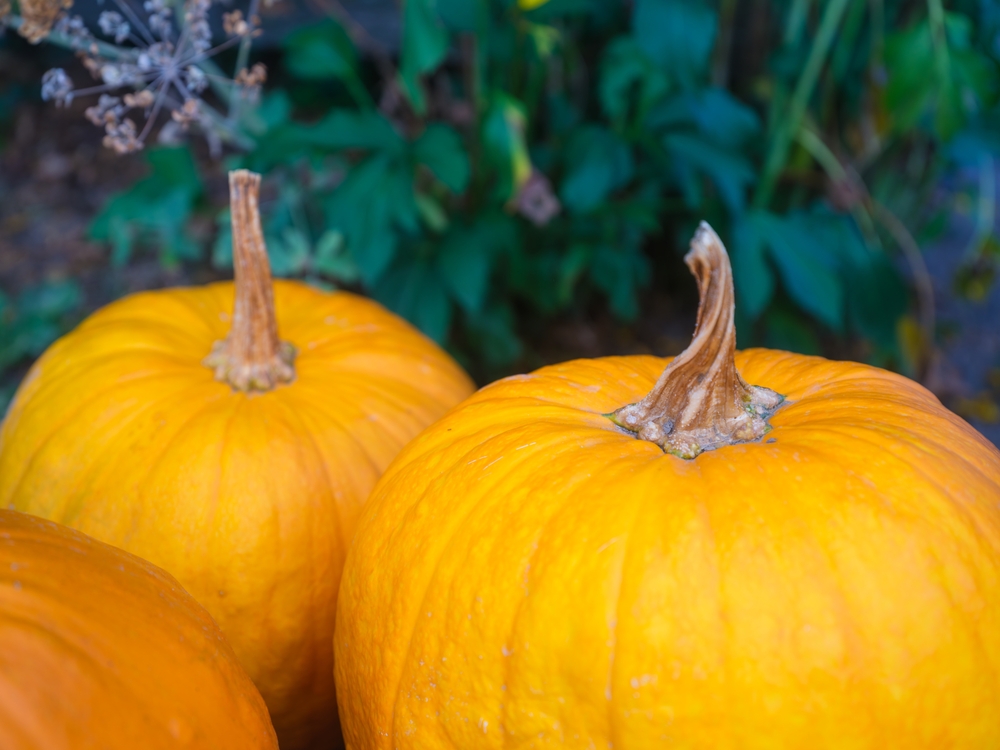
There’s something magical about seeing a field full of plump, orange pumpkins basking in the autumn sun. They look invincible—sturdy, shiny, and ready for carving, decorating, or baking into that legendary pie. But here’s the surprise: the longer those pumpkins stay on the vine after they’re ripe, the faster they start to rot.
Yep, your perfect fall prize can go from festive to funky in a matter of days if you leave it attached too long. So, what exactly happens when pumpkins overstay their welcome in the patch?
The Vine Isn’t a Lifeline Forever
When a pumpkin is first growing, the vine is its lifeline. It delivers water, nutrients, and all the sunshine-powered sugars that make that orange skin glow. But once the pumpkin matures, the vine starts to lose its magic touch—it weakens, dries out, and can’t protect the pumpkin the same way. Instead of feeding it, the vine begins to break down, leaving the fruit exposed to bacteria, fungus, and moisture. In short, what was once a nurturing umbilical cord becomes an open door for decay.
Moisture: The Hidden Enemy of Ripe Pumpkins
Pumpkins may thrive in warm weather, but they absolutely hate lingering moisture once they’re mature. When left on the vine too long, morning dew, rainfall, and even damp soil collect under them. That trapped moisture creates the perfect breeding ground for rot-causing microbes. Add in a weakening vine that can’t circulate nutrients or provide protection, and you’ve got a recipe for mushy disaster. Picking the pumpkin promptly keeps it dry, firm, and ready for storage or display.
The Role of Fungus and Bacteria
Once the vine begins to decline, it invites troublemakers to the party. Fungal spores and bacterial infections thrive in decaying plant tissue—and they’re not picky about where they spread next. They travel straight into the pumpkin’s skin through tiny cracks, scratches, or soft spots. Before long, the pumpkin’s bright orange surface starts developing slimy patches or black mold. That’s why professional growers always remove ripe pumpkins from the field before the vine starts to wilt—they’re cutting off the rot before it starts.
Sun Exposure Turns From Friend to Foe
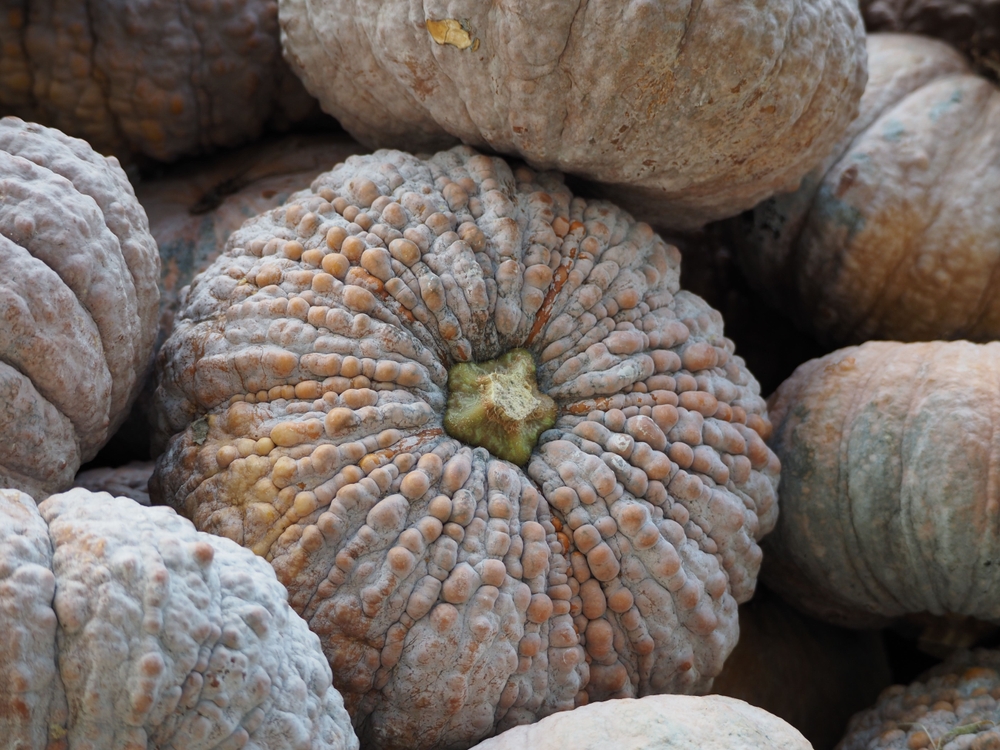
Early in its life, a pumpkin loves the sun—it needs every ray to ripen evenly and develop its signature color. But once it’s fully mature, too much sun becomes a problem. Extended exposure dries out the skin, causing micro-cracks that let bacteria sneak in. The outer shell might look tough, but those sun-baked fissures weaken it faster than you’d expect. Picking the pumpkin at peak ripeness means saving it from the harsh afternoon rays that slowly cook it on the vine.
The Pumpkin’s Own Sugar Becomes Its Downfall
It sounds ironic, but the very thing that makes pumpkins delicious—their natural sugar—also makes them decay faster once they’re ripe. When a pumpkin stays attached to a dying vine, its internal sugar levels rise as the plant stops regulating them. That extra sweetness attracts insects and microorganisms that thrive on sugar-rich environments. Soon enough, those organisms break down the pumpkin’s flesh from the inside out. In other words, your sweet, ripe pumpkin becomes an irresistible buffet for rot.
Soil Contact Accelerates Decay
Here’s another sneaky culprit: contact with damp soil. When pumpkins sit directly on the ground, they can’t breathe. The moisture and microbes in the dirt attack the pumpkin’s underside, creating soft spots that quickly turn to rot. Left on the vine, the pumpkin doesn’t get rotated or lifted, so one side stays trapped against wet soil for days. Farmers often place straw or boards under pumpkins for this exact reason—to give them airflow and keep their bases dry.
Timing Is Everything for a Perfect Harvest
One of the biggest mistakes gardeners make is waiting too long to harvest their pumpkins “just to be sure they’re ripe.” But once the stem starts to brown and harden, that’s your cue to act. Waiting longer doesn’t improve flavor, texture, or color—it just invites rot, pests, and cracking. Picking your pumpkins promptly and letting them cure in a dry, shady place strengthens their skin and extends their lifespan. Think of it as giving your pumpkin a little spa treatment before showtime.
Pests Love a Weak Vine
As vines begin to fade, pests like squash bugs, cucumber beetles, and vine borers move in for the feast. These tiny invaders don’t just snack on the dying plant—they also nibble on the pumpkins themselves. Their bites and burrows create entry points for fungi and bacteria, accelerating decay. Once the pests arrive, your beautiful orange orbs can go downhill fast. Harvesting before the vine becomes pest paradise is one of the smartest moves a grower can make.
A Ripe Pumpkin Has Everything It Needs—Except Protection
When a pumpkin reaches maturity, it’s essentially a self-contained unit. It’s got all the starches, sugars, and water it needs to maintain itself for a while—but no built-in defense system to ward off external threats. While still on the vine, it depends on that connection to fend off disease and regulate water intake. Once that connection starts to falter, though, the pumpkin is on borrowed time. Cutting it off at just the right moment ensures it keeps that vibrant, healthy glow instead of slipping into rot.
Pick Smart, Keep Your Pumpkins Happy
The next time you’re walking through a pumpkin patch, resist the urge to leave your perfect pick sitting prettily on the vine. What looks “natural” can actually be a shortcut to decay. Pumpkins left too long become targets for moisture, pests, fungus, and sun damage—all of which speed up rotting. Harvesting at just the right time gives you stronger, longer-lasting pumpkins for carving, decorating, or baking.
Have you ever had a pumpkin rot faster than expected? Share your stories, lessons, or garden mishaps in the comments below.
You May Also Like…
- Don’t Let Your Halloween Pumpkin Go To Waste
- 8 Garden Myths That Fail in Autumn Weather
- The Role of Fungi in Breaking Down Fall Leaves
- 5 Natural Mulches That Protect Roots From Frost
- Why Autumn Is Ideal for Planting Fruit Trees

Brandon Marcus is a staff writer for FrugalGardening.com at District Media, Inc., where he delivers practical gardening advice with a relatable, no-nonsense style. An avid amateur gardener, he holds a BA degree and with over ten years of professional writing experience, he is also an award-winning published author whose first book, Questions For Deep Thinkers, was released by Adams Media. His work has appeared in major publications including Fandom.com, CHUD.com, TheColdWire.com, and Fansided.com.
Leave a Reply