• Skip to primary navigation
  • Skip to main content
  • Skip to primary sidebar

Frugal Gardening

Simple ways to save money while you garden

  • About
  • Contact Us
  • Garden Frugally
  • Buy These
  • Our Editorial Commitment
  • Navigation Menu: Social Icons

    • Facebook
    • Pinterest
    • Twitter

5 Bugs in Your Garden That Could Be Destroying Your Home’s Foundation

July 18, 2025 by Teri Monroe Leave a Comment

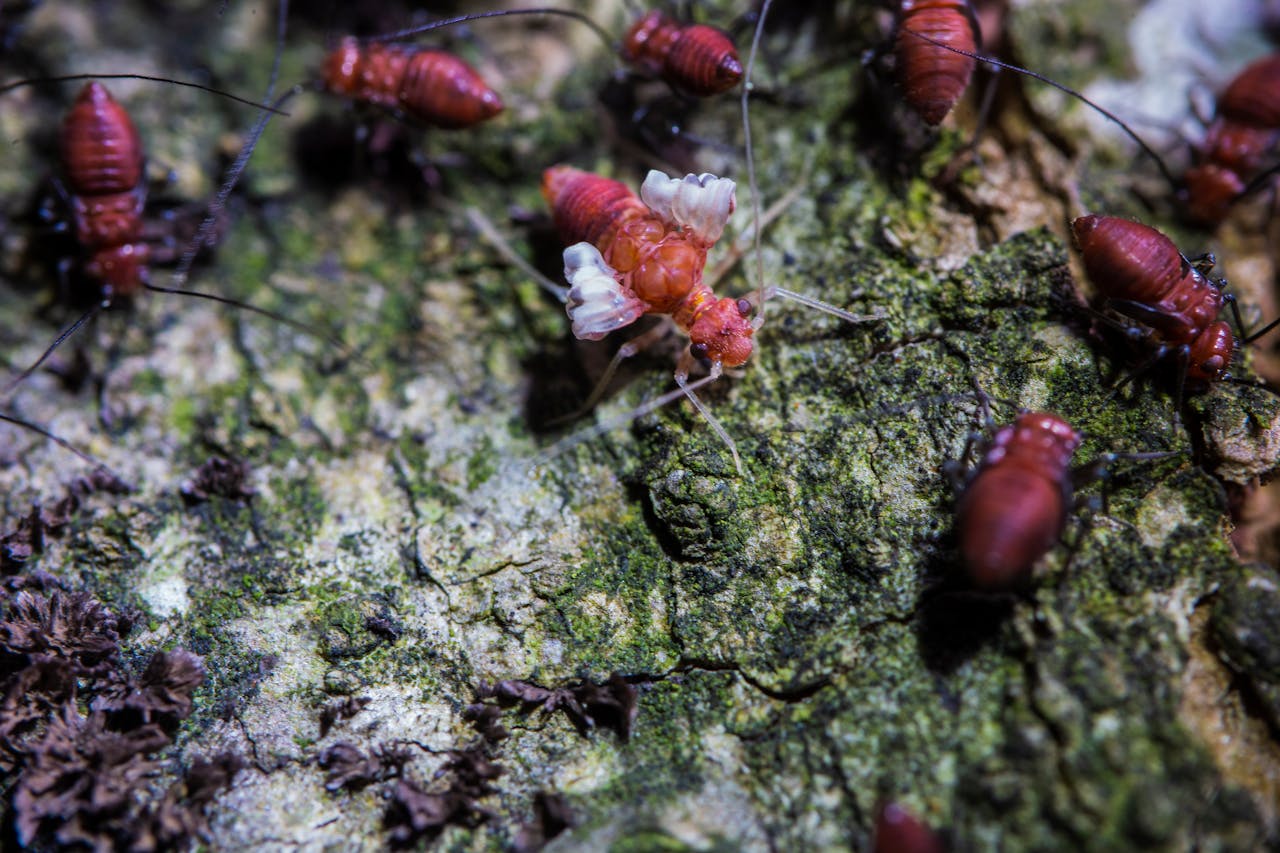
Bugs in your garden that could be ruining your foundation
Image Source: Pexels

Your garden may look lush and peaceful, but it could be hiding a serious threat. Certain insects that live near your home’s foundation can cause extensive structural damage over time. This damage could cost you thousands of dollars if not caught. The warning signs are often subtle until repairs become urgent and expensive. Here are five common garden pests that might be silently eating away at your home’s most critical support system. Knowing what to watch for can help you catch problems before they escalate and protect your home’s long-term value.

1. Termites

Termites are the most infamous foundation destroyers. While they often start in wood mulch or tree stumps, they can easily tunnel toward your home. They then feed on structural wood. You might not notice them until significant and costly damage is done. Keep wood piles away from your foundation and watch for mud tubes on walls or in crawl spaces.

2. Carpenter Ants

These ants don’t eat wood, but they dig into it to build nests. As a result, they weaken beams and supports. Damp or rotting wood in garden borders, patios, or decks can attract them. If they make their way into your foundation or framing, they can cause major long-term issues.

3. Powderpost Beetles

These beetles lay eggs in exposed wood, and the larvae tunnel through the material as they grow. Over time, this can hollow out structural beams, floor joists, or wooden supports. They’re most often found in older or untreated wood near damp soil or shady garden areas. If you suspect Powderpost Beetles, look for tiny, round exit holes (1/16 to 1/8 inch wide) and fine, flour-like sawdust on wood surfaces. These are signs the larvae have tunneled out.

4. Moisture Ants

These small yellow ants are drawn to high-moisture environments, especially rotting wood. While they’re not aggressive, their presence is a sign of excess moisture and decay, which softens wood and makes it more vulnerable to bigger pests. They often nest under garden mulch or stones near the home’s edge. It’s important to always have a barrier between mulch and your home’s foundation.

5. Subterranean Nematodes (Termite Allies)

These microscopic worms don’t cause direct wood damage, but they help create the perfect moist soil environment for termites to thrive. It’s a red flag that the conditions around your home are too termite-friendly. If your garden soil stays damp, nematodes can attract other pests that do structural harm. Proper drainage and soil grading are essential to protect your home.

Avoiding Bugs That Could Cause Damage

A beautiful garden shouldn’t come at the cost of your home’s structural integrity. Regularly inspect the area around your foundation, keep wood and mulch at a safe distance, and call a pest expert if you suspect hidden activity. A little prevention now can save thousands in repairs later. Simple steps like improving drainage, sealing entry points, and trimming back overgrown plants can make a big difference. Don’t assume pests are only a problem inside; what’s happening just beneath your flowerbeds could put your entire home at risk.

Read More

10 Hidden Dangers Lurking in Your Backyard Mulch

How to Start a Frugal Grocery Garden for Less Than $20

Photograph of Teri Monroe
Teri Monroe

Teri Monroe started her career in communications working for local government and nonprofits. Today, she is a freelance finance and lifestyle writer and small business owner. In her spare time, she loves golfing with her husband, taking her dog Milo on long walks, and playing pickleball with friends.

Filed Under: garden tips Tagged With: bugs harming foundation, Garden Bugs, harmful bugs

Previous Post: « 9 Reasons Your Lawn Might Be Violating HOA Rules
Next Post: 10 Of The Best Places To Buy Cheap Gardening Supplies »

Reader Interactions

Leave a Reply Cancel reply

Your email address will not be published. Required fields are marked *

Primary Sidebar

Struggling to get your garden off the ground? Put those days behind you with our special starter kit – perfect for thrifty green thumbs everywhere. Get growing and add a splash of color today!

Popular Posts

  • usda free seeds websiteHow To Get Free Seeds From The Government by Amanda Blankenship Seeds might seem like a small expense, but any seasoned…
  • Enviro Ice On PlantsShould I Use Enviro Ice On My Plants? by Kathryn Vercillo Every week, I receive food from Hungryroot. It's a great…
  • is shredded paper good for the gardenFrom Trash to Treasure: Transform Shredded Paper Into Garden Gold by Amanda Blankenship Should you use shredded paper as garden mulch? It might…
  • Enviro IceWhat Happens to Plants If You Use Enviro Ice on Them? by Amanda Blankenship About a year ago, I wrote our first article about…
Can You Grow Saffron Crocus in an Ordinary Backyard?

Can You Grow Saffron Crocus in an Ordinary Backyard?

An ordinary backyard can produce saffron, and the plant does not require a sprawling estate, greenhouse, or secret handshake with a professional spice farmer. Saffron comes from Crocus sativus, a fall-blooming perennial corm that can grow in garden beds, raised beds, and containers when gardeners give it the conditions it wants. The catch comes at…

Read More

6 Ways to Use August Garden Clippings Without Sending Them to the Curb

6 Ways to Use August Garden Clippings Without Sending Them to the Curb

August can turn a garden into a leafy crime scene. Tomatoes have sprawled across paths, zucchini leaves have swallowed nearby plants, spent flowers have piled up, and the hedge suddenly looks like it needs its own postal code. Before stuffing all those clippings into bags for the curb, take a closer look because much of…

Read More

Is It Too Early to Prepare Amaryllis for Winter Bloom?

Is It Too Early to Prepare Amaryllis for Winter Bloom?

Believe it or not, it is not necessarily too early to prepare amaryllis for a winter bloom, but rushing the process can create more problems than flowers. The trick involves giving the bulb enough time to finish its summer growth before asking it to put on its winter floral spectacular. That timing matters because amaryllis…

Read More

5 Low-Cost Ways to Add Vertical Interest After Vines Fade

5 Low-Cost Ways to Add Vertical Interest After Vines Fade

Vines can make a garden look like it has hired a professional stylist, right up until they finish blooming, turn brown, or retreat for the season. When that happens, all that wonderful vertical space can suddenly look awkwardly empty, but a faded vine does not mean the garden has to collapse into a flat sea…

Read More

  • About
  • Contact Us
  • Garden Frugally
  • Buy These
  • Our Editorial Commitment
  • Navigation Menu: Social Icons

    • Facebook
    • Pinterest
    • Twitter
  • Facebook
  • Pinterest
  • Twitter

Copyright © 2026 · Foodie Pro & The Genesis Framework