• Skip to primary navigation
  • Skip to main content
  • Skip to primary sidebar

Frugal Gardening

Simple ways to save money while you garden

  • About
  • Contact Us
  • Garden Frugally
  • Buy These
  • Our Editorial Commitment
  • Navigation Menu: Social Icons

    • Facebook
    • Pinterest
    • Twitter

Are You Feeding Your Plants Wrong? Here’s a Cheaper, Better Way

May 27, 2025 by Teri Monroe Leave a Comment

feeding your plants cheaply
Image Source: Pexels

Feeding your plants properly can be tricky and costly. Overfeeding and underfeeding can cause serious problems with your plants. Plus, you’re probably throwing away money on expensive and unnecessary things, like fertilizers. What if we told you that there’s a better and cheaper way to feed your plants? You won’t have to sacrifice nutrition or growth to get bigger savings! With the right knowledge and tools, you can feed your plants naturally, efficiently, and affordably — all while improving soil health and reducing waste. It’s time to ditch the guesswork and grow smarter, not harder.

Common Mistakes Feeding Your Plants

Many plant owners make these common mistakes when feeding their plants. First, overfertilizing causes root burn and weak plant growth. Plus, a lot of product is usually wasted. This is bad for your plants and your wallet too. Fertilizer doesn’t fix all problems. You’ll want to focus on the health of your soil as well.

Feeding at the wrong time can also be harmful for your plants. You don’t want to feed during dormancy or at the wrong growth phase. Not all plants can be fed the same way, so it’s important to tailor your feeding to your specific plants. Climate, seasons, and even your watering habits play a role in when and how your plants absorb nutrients.

Understanding Your Plants

How do you know what your plants really need? You’ll have to pay close attention. If leaves are yellowing, there is salt buildup, or your plants aren’t growing, there may be something wrong with how you are feeding them. You’ll want to make sure plants have basic nutrients at the bare minimum. These include nitrogen, phosphorus, potassium, and micronutrients.

Of course, needs will vary for indoor versus outdoor plants and leafy versus flowering plants. Some plants are heavy feeders, while others need very little support. Learning the unique needs of your plant varieties can help prevent nutrient deficiencies before they start.

A Better Way to Feed Your Plants

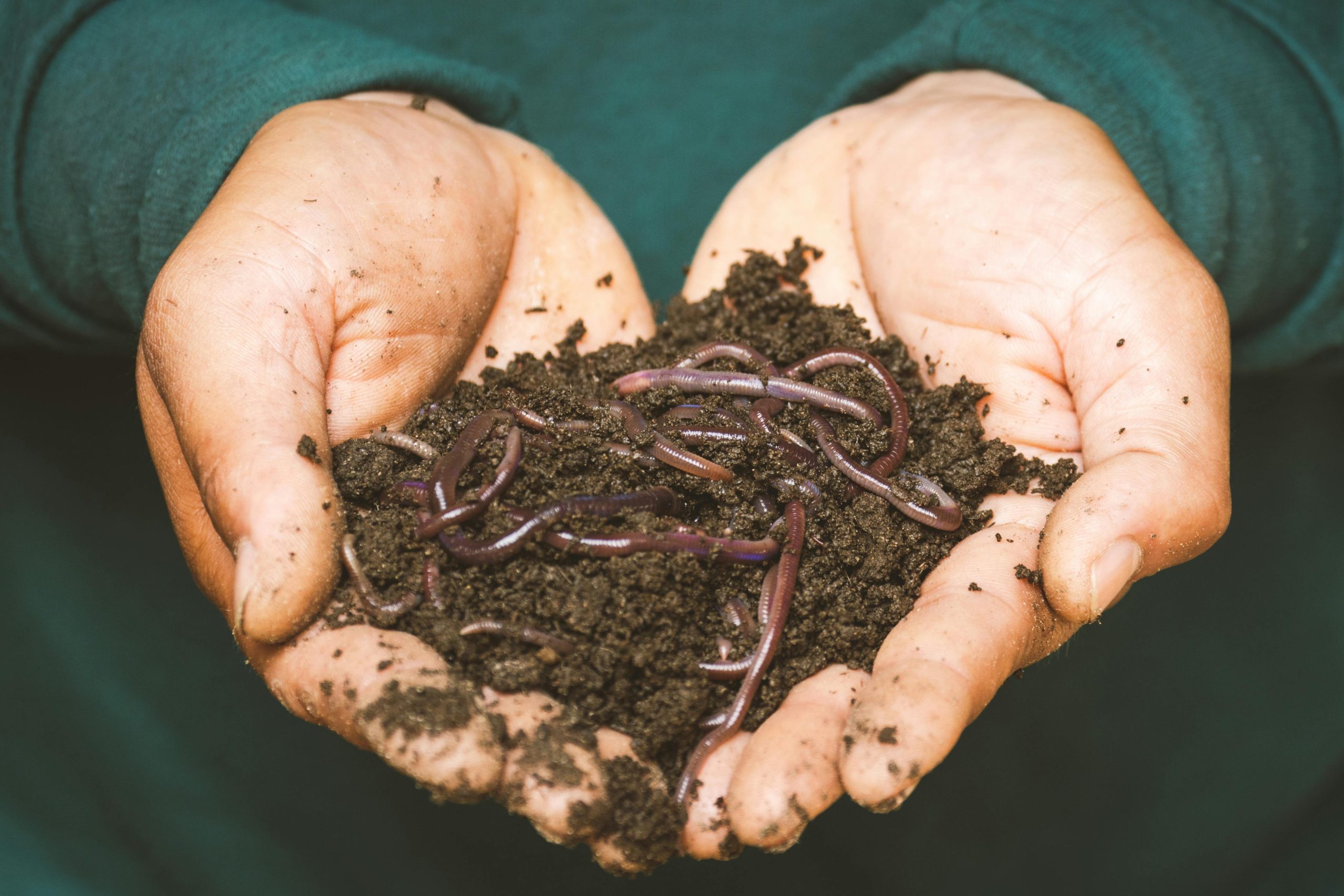
Did you know that everyday household items can be used to feed your plants? Scraps like coffee grounds and banana peels will add richness to your soil and make your plants thrive. Plus, this nutrient-rich compost is free. Other ideas also include Epsom salts, aquarium water, worm castings and grass clippings. You can also use compost tea, rice water, or wood ash.

There are also slow-release organic options that last longer than other fertilizers. All of these options are low-cost, produce healthier soil, create fewer pest problems, and overall produce healthier plants. And they’re environmentally friendly too.

How to Make The Changes

You’ll want to feed your plants based on your observations versus a strict schedule. This way you won’t waste. Continue to test your product and monitor your results. You can then make adjustments as necessary.

Start small by replacing one synthetic fertilizer with a homemade or organic option and track how your plants respond. Keep notes and experiment seasonally. With time, you’ll develop a natural rhythm and routine that works for both your plants and your budget.

Read More

The Benefits of Professional Water Cartage Services for Residential and Commercial Needs

10 Recycled Materials That Make Your Garden Better (and Cheaper)

Photograph of Teri Monroe
Teri Monroe

Teri Monroe started her career in communications working for local government and nonprofits. Today, she is a freelance finance and lifestyle writer and small business owner. In her spare time, she loves golfing with her husband, taking her dog Milo on long walks, and playing pickleball with friends.

Filed Under: garden tips Tagged With: diy fertilizer, feeding plants, fertilizer

Previous Post: « The Benefits of Professional Water Cartage Services for Residential and Commercial Needs
Next Post: 9 Clever Ways to Start Gardening for Free »

Reader Interactions

Leave a Reply Cancel reply

Your email address will not be published. Required fields are marked *

Primary Sidebar

Struggling to get your garden off the ground? Put those days behind you with our special starter kit – perfect for thrifty green thumbs everywhere. Get growing and add a splash of color today!

Popular Posts

  • usda free seeds websiteHow To Get Free Seeds From The Government by Amanda Blankenship Seeds might seem like a small expense, but any seasoned…
  • Enviro Ice On PlantsShould I Use Enviro Ice On My Plants? by Kathryn Vercillo Every week, I receive food from Hungryroot. It's a great…
  • is shredded paper good for the gardenFrom Trash to Treasure: Transform Shredded Paper Into Garden Gold by Amanda Blankenship Should you use shredded paper as garden mulch? It might…
  • Enviro IceWhat Happens to Plants If You Use Enviro Ice on Them? by Amanda Blankenship About a year ago, I wrote our first article about…
What Causes Hollow Spots Inside Otherwise Healthy Potatoes?

What Causes Hollow Spots Inside Otherwise Healthy Potatoes?

A potato can look flawless on the outside, only to reveal a strange empty pocket when the knife reaches the middle. Gardeners call this condition hollow heart, and it can turn a perfectly ordinary spud into a potato with what looks suspiciously like a tiny underground cave. The good news is that the hollow spot…

Read More

7 Soil Amendments You May Find Discounted in Late Summer

7 Soil Amendments You May Find Discounted in Late Summer

Late summer can bring an unexpected gardening opportunity: cheaper soil amendments. Garden centers often start clearing seasonal inventory as summer winds down, which can put compost, organic fertilizers, peat products, and other soil helpers into the bargain bin. That does not mean every discounted bag deserves a place in the garden shed. Some amendments improve…

Read More

What Is the Right Time to Stop Watering Winter Squash?

What Is the Right Time to Stop Watering Winter Squash?

Winter squash has a funny way of making gardeners second-guess themselves. One week the vines look like they could drink an entire bathtub, and the next week the leaves start yellowing while those hefty squash sit there looking suspiciously finished. The right time to stop watering winter squash generally comes when the fruit approaches full…

Read More

Can You Use a Laundry Basket to Cure Onions and Garlic?

Can You Use a Laundry Basket to Cure Onions and Garlic?

A laundry basket can help cure onions and garlic, and it can work surprisingly well. The trick has nothing to do with laundry and everything to do with airflow, because freshly harvested bulbs need a dry, airy place where moisture can escape instead of getting trapped around the skins and necks. That makes a laundry…

Read More

  • About
  • Contact Us
  • Garden Frugally
  • Buy These
  • Our Editorial Commitment
  • Navigation Menu: Social Icons

    • Facebook
    • Pinterest
    • Twitter
  • Facebook
  • Pinterest
  • Twitter

Copyright © 2026 · Foodie Pro & The Genesis Framework