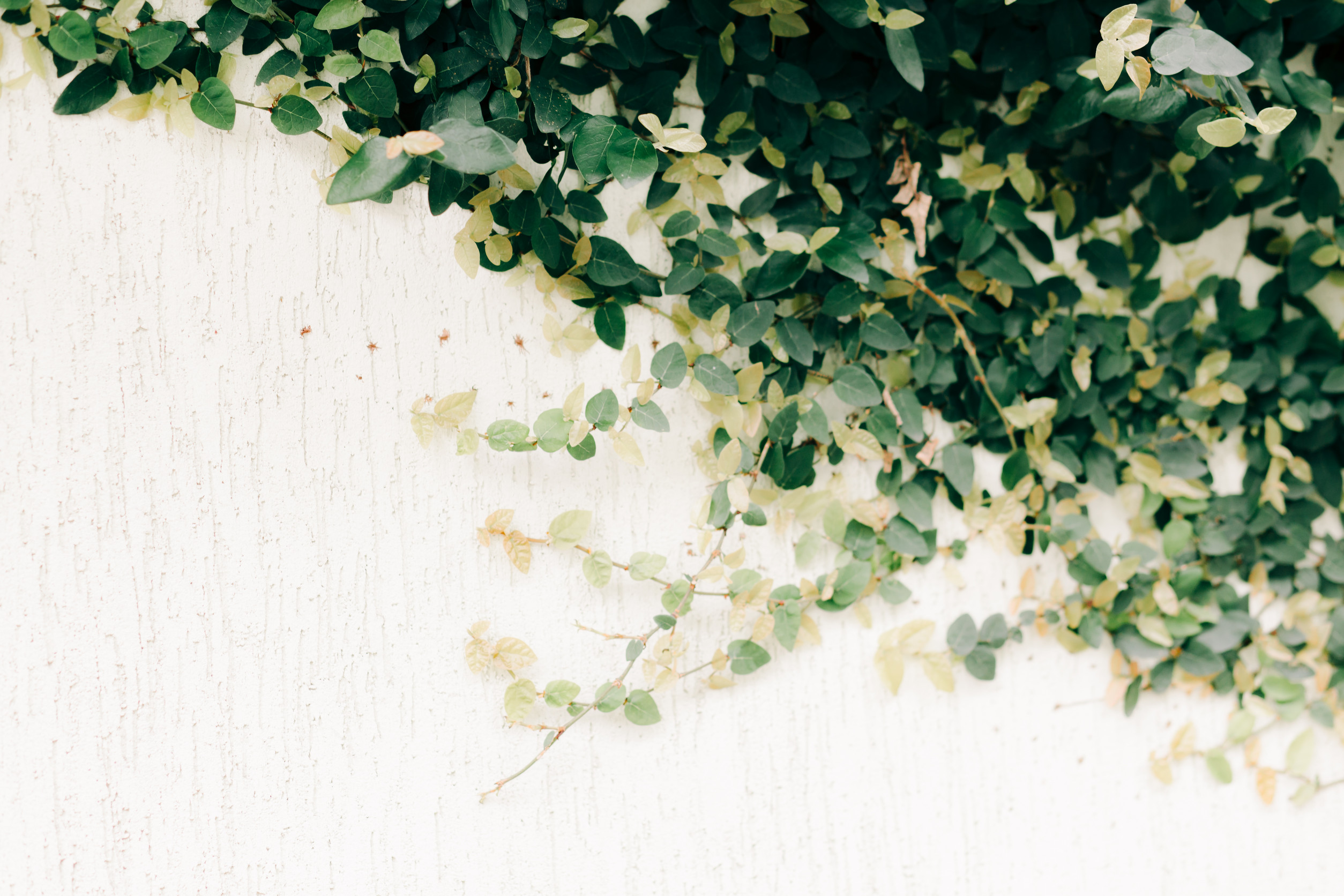
Gardening enthusiasts often select plants based on aesthetics, fragrance, or ease of care. However, some popular choices can become invasive, outcompeting native species and disrupting local ecosystems. Recognizing these plants is crucial for responsible gardening.
1. English Ivy (Hedera helix)
English Ivy is cherished for its lush, evergreen foliage and ability to cover unsightly structures. However, its aggressive growth can lead to significant problems. When left unchecked, it can smother native plants, damage trees by restricting light and adding weight, and even harm buildings by penetrating walls and foundations. English Ivy’s resilience and rapid spread have led to its classification as an invasive species in many regions.
2. Japanese Honeysuckle (Lonicera japonica)
Introduced for its sweetly scented flowers and ornamental appeal, Japanese Honeysuckle has become a pervasive invader. Its vigorous vines can strangle shrubs and young trees, leading to declines in native plant populations. Its ability to thrive in various environments makes it particularly troublesome across many parts of the United States.
3. Bamboo (Phyllostachys aurea)
Bamboo’s rapid growth and tall, dense stands make it a popular choice for privacy screens. However, certain species, especially running bamboos, can spread uncontrollably through underground rhizomes. This invasive nature can lead to conflicts with neighbors and damage to property, as the plant can penetrate foundations and other structures.
4. Wisteria (Wisteria sinensis and Wisteria floribunda)
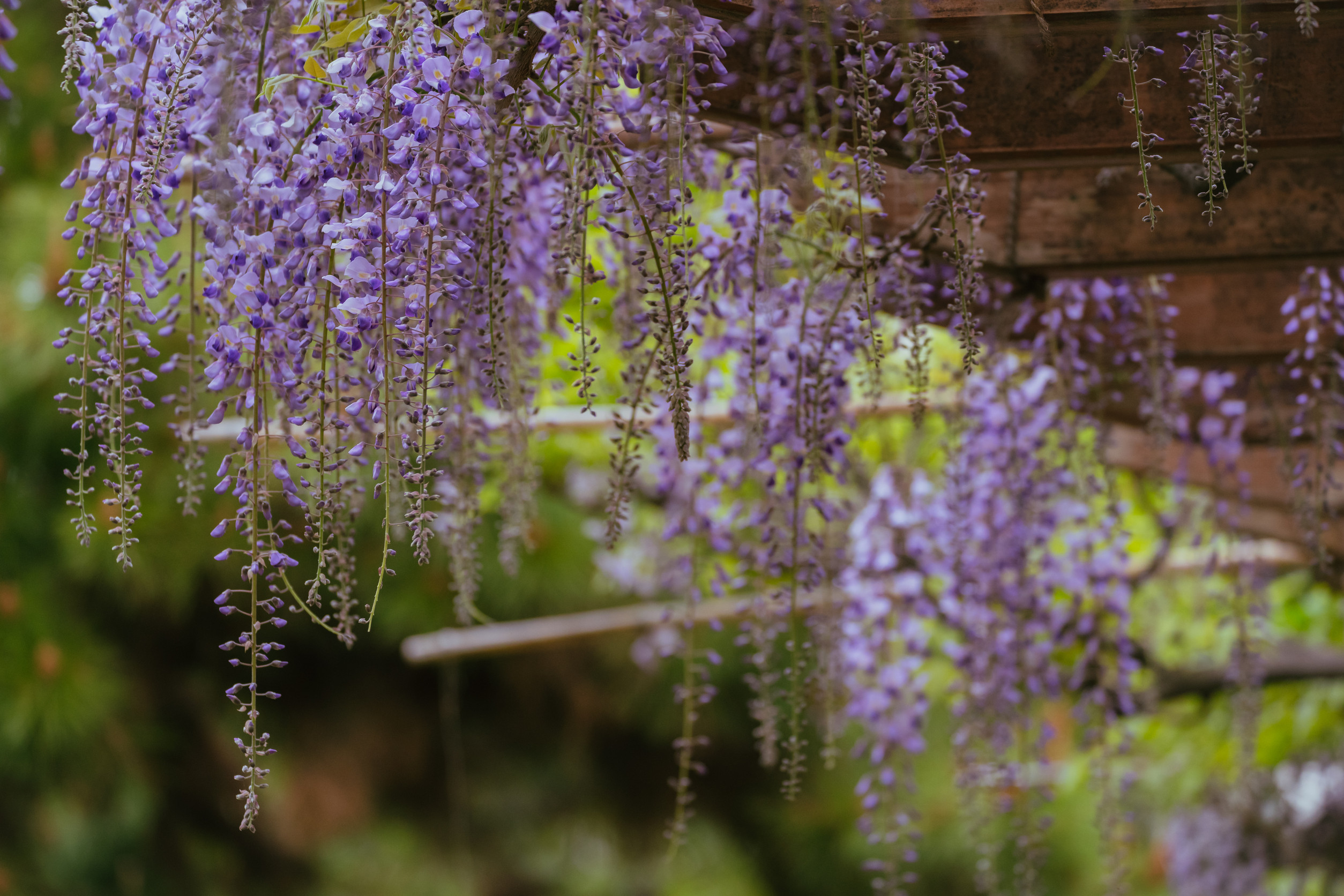
Wisteria is admired for its cascading clusters of fragrant flowers. Yet, its aggressive growth can overwhelm trees and structures, leading to potential damage. In some regions, it has escaped cultivation and established itself in the wild, outcompeting native vegetation and disrupting local ecosystems.
5. Japanese Barberry (Berberis thunbergii)
Initially introduced as an ornamental shrub, Japanese Barberry has become invasive in various parts of the United States. It forms dense thickets that displace native plants and alter habitats. Additionally, its presence has been linked to increased populations of ticks, posing health risks to humans and animals.
6. Purple Loosestrife (Lythrum salicaria)
With its vibrant purple flowers, Purple Loosestrife was once a favored ornamental plant. However, it has aggressively invaded wetlands, reducing biodiversity and altering water flow patterns. Its ability to produce millions of seeds annually makes it a formidable invader, challenging to control once established.
7. Butterfly Bush (Buddleia davidii)
Despite its attractiveness to butterflies, the Butterfly Bush is considered invasive in many regions. It produces abundant seeds that can spread over long distances, allowing it to colonize natural areas rapidly. Its proliferation can outcompete native plants essential for local wildlife, leading to imbalances in the ecosystem.
8. Common Periwinkle (Vinca minor)
Common Periwinkle, or Vinca, is often used as a groundcover due to its evergreen leaves and purple flowers. However, it can spread aggressively, forming dense mats that suppress native vegetation. Its resilience and rapid growth make it challenging to control once established in natural areas.
9. Orange Daylily (Hemerocallis fulva)
Also known as “ditch lilies,” Orange Daylilies are hardy plants that can thrive in various conditions. Their robust nature allows them to spread rapidly, often displacing native flora. While they add vibrant color to gardens, their invasive potential poses significant ecological concerns.
10. Garlic Mustard (Alliaria petiolata)
Garlic Mustard is a biennial herb that has become a significant problem in North American forests. It produces chemicals that inhibit the growth of native plants and mycorrhizal fungi essential for tree health. Its rapid spread and ability to dominate the forest understory make it a formidable invasive species. Chicago Botanic Garden
Potential to Harm Local Ecosystems
While these plants may offer aesthetic appeal, their potential to harm local ecosystems cannot be overlooked. Responsible gardening involves selecting species that enhance your garden without posing risks to native environments. By choosing non-invasive alternatives and staying informed about plant behaviors, gardeners can contribute positively to biodiversity and ecological balance.
Could the plants you’ve chosen for their beauty be silently undermining the health of your local ecosystem? Let us know in the comments below.
Read More:
Tips for Keeping Your New Pup Out of Your Garden
Organic Gardening Supplies: The Secret to Lush, Chemical-Free Plants!

Latrice is a dedicated professional with a rich background in social work, complemented by an Associate Degree in the field. Her journey has been uniquely shaped by the rewarding experience of being a stay-at-home mom to her two children, aged 13 and 5. This role has not only been a testament to her commitment to family but has also provided her with invaluable life lessons and insights.
As a mother, Latrice has embraced the opportunity to educate her children on essential life skills, with a special focus on financial literacy, the nuances of life, and the importance of inner peace.
Leave a Reply