You walk outside after a long winter, inspect your garden, and discover something disappointing: several plants you spent good money on appear completely dead. Their stems are brown, their leaves have disappeared, and there’s no obvious sign that anything is still growing. Your first instinct might be to grab a shovel, pull everything out, and head to the garden center for replacements.
But that could be an expensive mistake.
Some plants have an incredible ability to survive underground or recover from damaged stems, even when everything above the soil looks lifeless. In fact, certain perennials naturally die back every winter before producing an entirely new set of leaves and flowers when temperatures rise.
Understanding which plants that look dead but aren’t can save you money, prevent unnecessary replacements, and help you avoid accidentally destroying healthy roots.
Before giving up on those brown stems and empty garden beds, take a closer look at these five plants that might have more life left in them than you realize.
1. Hostas Can Disappear Completely and Return in Spring
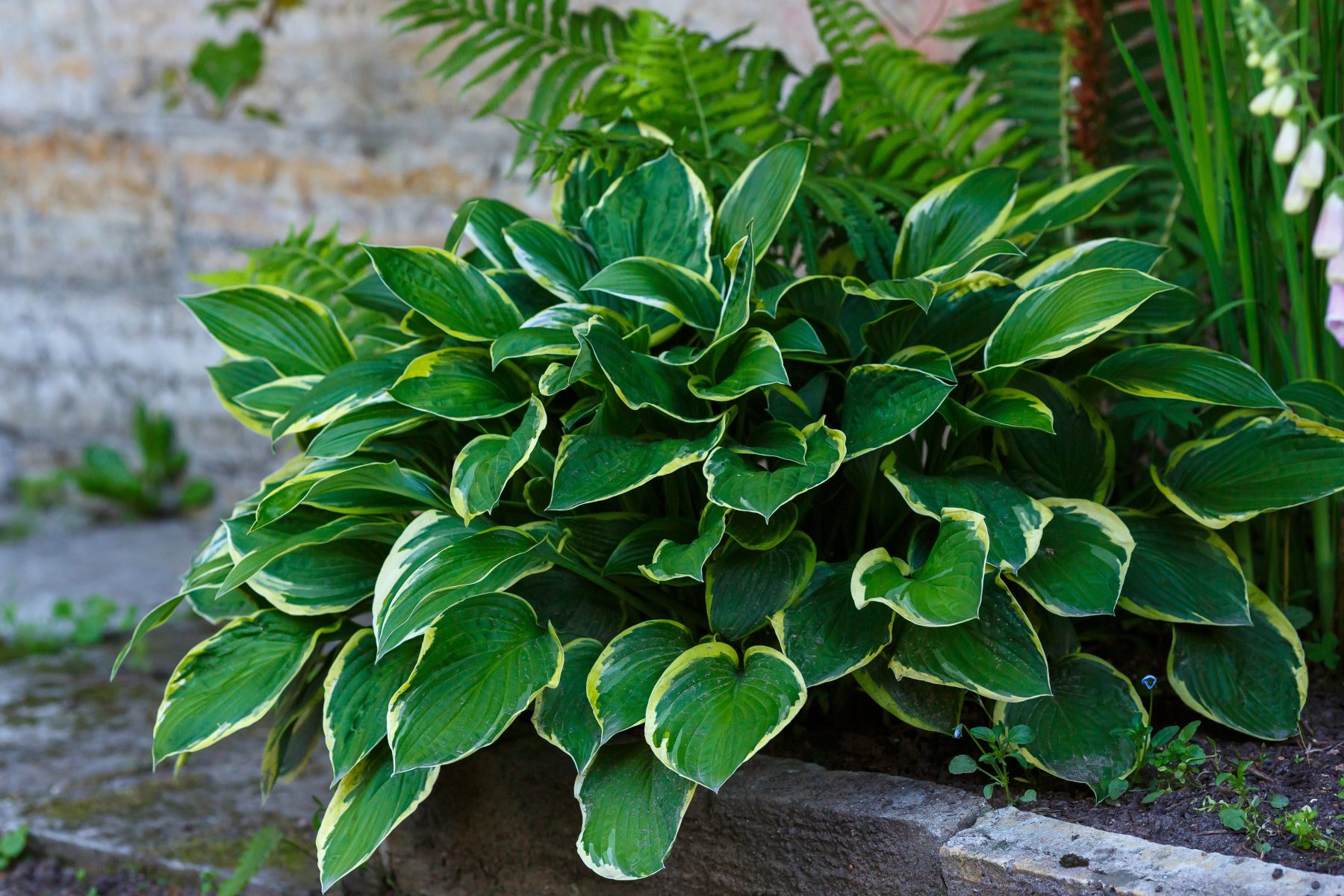
Hostas are among the most convincing examples of plants that look dead but aren’t, especially during the colder months. Their large, attractive leaves turn yellow or brown in autumn before collapsing and eventually disappearing, leaving what looks like an empty patch of soil. However, the underground crown and roots can remain alive throughout winter, storing the energy needed to produce fresh foliage when spring arrives. According to the University of Minnesota Extension, established hostas generally require little winter protection and begin sending up new growing tips as temperatures warm. Before digging up a seemingly dead hosta, check for emerging shoots around its original location and give the plant time to resume its natural growth cycle.
2. Hardy Hibiscus Can Look Like Nothing More Than Dead Sticks
Hardy hibiscus, particularly rose mallow varieties, can leave gardeners convinced their plants didn’t survive the winter. Unlike tropical hibiscus, these cold-hardy perennials typically die back to the ground after freezing weather, leaving behind dry, woody-looking stems. Even more confusing, hardy hibiscus often emerges later in spring than many other garden perennials, making it easy to mistake a dormant plant for a dead one. Penn State Extension specifically identifies rose mallow as a late-emerging perennial and recommends leaving short sections of old stems to mark its location. If your hibiscus appears lifeless while neighboring plants are already growing, resist the temptation to replace it until consistently warm weather has given new shoots a chance to appear.
3. Butterfly Weed May Stay Hidden Long After Spring Begins
Butterfly weed is another excellent example of plants that look dead but aren’t, particularly in gardens where spring temperatures fluctuate. This native milkweed produces brilliant orange flowers during the growing season, but its aboveground growth dies back completely during winter. Butterfly weed resprouts from its underground structures in late spring and is naturally slow to emerge. Because the plant develops a substantial taproot, digging around the planting area too early can damage the very structure responsible for its survival. Mark its location before winter, avoid disturbing the soil, and wait for warmer temperatures before deciding that your butterfly weed needs replacing.
4. Peonies Can Vanish Aboveground Without Dying
Herbaceous peonies can look surprisingly lifeless after their foliage collapses at the end of the growing season. Their stems and leaves die back naturally, but the underground roots and crown remain alive and prepare for another growing season. Healthy peonies also require a period of winter chilling to support their normal growth and flowering cycle, making dormancy an essential part of their development. Gardeners who mistake this seasonal dieback for plant death may accidentally dig up an established peony that could have continued flowering for years. Before replacing one, look for the distinctive reddish shoots that often emerge from the soil in spring, and avoid disturbing the crown while waiting for new growth.
5. Hydrangeas Can Recover Even When Their Branches Look Dead
Hydrangeas can be especially confusing because winter damage may leave their stems brown, brittle, or completely leafless. Some varieties, including smooth and panicle hydrangeas, can produce flowers on new growth, while many bigleaf hydrangeas depend heavily on buds formed during the previous growing season. Winter temperature fluctuations can damage tender growth, but healthy plants may still produce new shoots when conditions improve. If a hydrangea appears dead, gently scratch a small section of bark to look for green living tissue, while remembering that individual dead branches don’t necessarily mean the entire plant has died. Wait until spring growth reveals which stems survived before pruning heavily, because cutting too early can remove viable buds or reduce flowering.
How to Tell Whether a Plant Is Dormant or Truly Dead
Identifying plants that look dead but aren’t requires more than simply checking whether their leaves have turned brown. For woody plants, a small scratch test may reveal green tissue beneath the bark, indicating that part of the stem is still alive. Herbaceous perennials are different because their stems can die completely while the roots and crown remain healthy underground. Check for firm crowns, emerging buds, and new shoots, while watching for warning signs such as mushy roots, extensive rot, or a completely dried-out root system. If you’re uncertain, take photographs and contact your local Cooperative Extension office before removing a plant that may simply be dormant.
Why Replacing Plants Too Early Can Waste Money
Garden centers make it tempting to replace anything that doesn’t look healthy when spring arrives, but patience can protect your gardening budget. Consider someone who purchased five perennials for $15 each and assumes they all died during winter, resulting in another $75 spent on replacements. If those original plants were simply dormant, that entire purchase may have been unnecessary. Established perennials can also have stronger root systems than newly purchased replacements, giving them an advantage once favorable growing conditions return. Learning the normal dormancy patterns of your plants can help you spend less on replacements and more on improvements your garden actually needs.
What You Should Do While Waiting for New Growth
If you’re dealing with plants that look dead but aren’t, the best approach is usually to provide appropriate care without disturbing their roots. Keep the planting area free from excessive debris, maintain suitable soil moisture, and avoid applying large amounts of fertilizer in an attempt to force dormant plants to grow. A modest layer of mulch can help protect roots and regulate soil conditions, but piling mulch directly against crowns may encourage moisture-related problems. Be especially careful when digging around late-emerging perennials, since their developing shoots can be damaged before they become visible aboveground. When in doubt, wait until the normal emergence period for your particular plant and climate has passed before deciding whether replacement is necessary.
Sometimes the Best Gardening Decision Is to Wait
Finding plants that look dead but aren’t is a reminder that gardening doesn’t always follow the schedule we expect. Hostas, hardy hibiscus, butterfly weed, peonies, and hydrangeas can all appear lifeless during dormancy or after winter damage while retaining the ability to produce new growth. Understanding their seasonal habits can help prevent unnecessary digging, excessive pruning, and wasted money at the garden center. Of course, not every damaged plant will recover, and signs of disease or root rot deserve attention rather than endless waiting. But before throwing away a plant you’ve invested time and money into, give it a fair chance to show whether there’s still life beneath the surface.
Have you ever almost thrown away a plant because you thought it was dead, only to discover new growth weeks or months later? Which plant surprised you the most? Share your gardening experiences in the comments!
What to Read Next
5 of the Easiest Low-Maintenance Houseplants
13 Reasons You’re Killing Your Plants and How to Revitalize Them
7 Beautiful Plants That Can Become a Nightmare Once They Spread
Leave a Reply