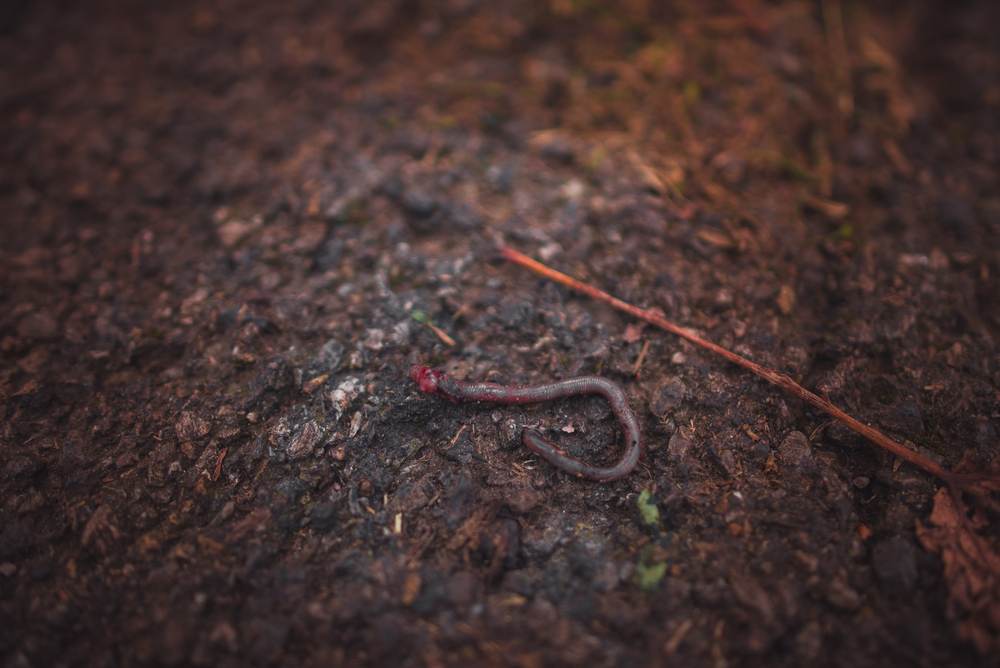
Most gardeners celebrate finding earthworms in their soil because they’re supposed to be a sign of a healthy, thriving garden. But what if some of those worms were actually making your soil worse? An invasive group of earthworms spreading across the United States is causing concern among researchers, gardeners, and conservationists because of its ability to transform healthy soil into something resembling used coffee grounds. Even worse, these worms can arrive in ordinary landscaping materials without homeowners realizing they’ve brought a problem into their yards.
They’re called invasive jumping worms, and unlike the familiar earthworms gardeners associate with healthy soil, they can seriously disrupt the environment beneath your plants. Here’s how to recognize them, why they’re concerning, and what you can do to keep them from spreading.
These Aren’t Your Ordinary Garden Earthworms
Invasive jumping worms, primarily species in the Amynthas genus, originated in eastern Asia and have established populations across numerous parts of the United States. They’ve spread across much of the Midwest, Northeast, and Southeast, with reports also emerging farther west. Unlike familiar European earthworms, which may move relatively slowly when disturbed, jumping worms thrash violently, twist like snakes, and sometimes appear to leap from the ground. Their unusual movement has earned them names such as snake worms, crazy worms, and Alabama jumpers. Although they may look like ordinary earthworms at first glance, their behavior and effects on soil make them an entirely different gardening concern.
The Strange White Band Is a Major Identification Clue
One of the easiest ways to distinguish invasive jumping worms from other earthworms is to examine the pale band around their bodies. This reproductive structure, called the clitellum, is typically smooth, cloudy white or gray, and wraps completely around the worm near its head. The band is located approximately one-third of the way down the body and is less raised than the saddle-like band found on many common earthworms. Adult jumping worms can measure roughly 1½ to 8 inches or more, making them easy to mistake for large nightcrawlers until they begin moving. Because young worms may lack a clearly developed band, identification is often easier during late summer and early fall when adults are more common.
They Can Turn Healthy Soil Into Something Resembling Coffee Grounds
Perhaps the most disturbing characteristic of jumping worms is what happens to the soil after they’ve been feeding. These worms rapidly consume organic matter near the surface, producing coarse, granular castings that can make garden soil resemble dry coffee grounds. This altered soil structure can reduce water retention and create difficult growing conditions for ornamental plants, seedlings, and native vegetation. Imagine digging into a previously rich flower bed only to discover that the upper layer crumbles into loose pellets instead of holding together around plant roots. That unusual texture doesn’t automatically prove an infestation, but it’s an important warning sign when combined with sightings of the worms themselves.
Your Favorite Plants Could Struggle to Survive
Gardeners often assume more earthworm activity means healthier plants, but invasive jumping worms can have the opposite effect. Their aggressive feeding changes the organic layer that helps retain moisture, supports soil organisms, and supplies nutrients to growing plants. These changes can damage lawns, garden beds, and forest understory habitats. Young seedlings and shallow-rooted plants may be especially vulnerable when the surrounding soil becomes loose, dry, and less supportive of healthy root development. While poor plant growth can have many causes, gardeners noticing unusual soil texture alongside vigorous worm activity should investigate rather than simply adding more fertilizer.
They Can Arrive in Mulch, Compost, and Potted Plants
You don’t need to live near an infested forest to encounter jumping worms because ordinary gardening activities can accidentally transport them. Potted plants, soil, compost, mulch, sod, and fishing bait are potential pathways for their spread. Tiny egg-containing cocoons can hide in these materials, making it possible to introduce the species without ever seeing an adult worm. For example, accepting a free perennial from a neighbor’s garden might also mean bringing contaminated soil into a previously unaffected flower bed. Before purchasing, exchanging, or transporting landscaping materials, inspect them carefully and avoid moving soil from locations where jumping worms are known to occur.
One Worm May Be Enough to Start a Population
Another reason invasive jumping worms are difficult to manage is their unusual reproductive biology. Many jumping worm species reproduce through parthenogenesis, meaning an individual can produce offspring without mating with another worm. Adults typically die after freezing temperatures arrive, but their tiny cocoons can survive winter and hatch when conditions improve. These cocoons may measure only two to three millimeters across, making them extremely difficult to spot in soil or mulch. Because populations can rebuild from overlooked cocoons, removing visible adult worms doesn’t necessarily eliminate an established infestation.
Common Pest-Control Products Aren’t a Reliable Solution
When gardeners discover an invasive pest, their first instinct is often to purchase a treatment that promises quick results. Unfortunately, researchers haven’t identified a broadly reliable, practical method for eliminating established jumping worm populations from home gardens. No pesticides are approved specifically for controlling jumping worms in yards and gardens, and using fertilizers or other products as unapproved pesticides is discouraged. Some heat-based treatments have shown promise under controlled conditions, but results depend on reaching appropriate temperatures throughout the affected material. Rather than experimenting with salt, household chemicals, or unverified online remedies, focus on prevention and follow guidance from your local extension service.
Here’s What to Do if You Find Jumping Worms
If you discover suspected invasive jumping worms in your garden, don’t panic or assume your entire landscape is ruined. Removing visible worms, sealing them in a bag, and disposing of them in the trash is recommended rather than releasing them elsewhere. Avoid moving potentially contaminated soil, mulch, compost, or plants into unaffected areas, and clean dirt from your tools, shoes, and equipment after working in infested locations. Take clear photographs of suspected worms, including the pale band, and contact your local cooperative extension office or state invasive-species program for identification and reporting guidance. You can continue gardening in affected areas, but preventing further spread should become part of your regular maintenance routine.
A Few Shopping Habits Can Help Protect Your Garden
Preventing jumping worms doesn’t require abandoning garden centers, plant swaps, or affordable landscaping projects. Instead, purchasing plants from reputable nurseries that take precautions against invasive species and using appropriately heat-treated compost or mulch is recommended. When practical, choose bare-root plants or seeds to reduce the amount of potentially contaminated soil entering your property. Inspect nursery containers for unusual granular soil, and be especially cautious about accepting plants dug from gardens with known infestations. These small precautions can help protect your landscaping investment while reducing the risk of introducing a difficult-to-control invasive species.
Not Every Worm Deserves a Welcome Into Your Garden
Earthworms have long been associated with productive garden soil, but their ecological effects depend on the species and environment involved. Invasive jumping worms demonstrate why gardeners shouldn’t automatically assume that every unfamiliar creature beneath the mulch is beneficial. Learning to recognize their distinctive movement, pale body band, and coffee-ground-like soil can help you identify potential problems earlier. Just as importantly, inspecting plants and landscaping materials before bringing them home can reduce the chances of spreading these worms into new areas. When it comes to invasive jumping worms, protecting your garden starts with knowing what you’re looking at and taking simple steps to keep them from traveling farther.
Have you ever spotted an unusually aggressive earthworm in your garden or noticed soil that looks like coffee grounds? Share what you’ve seen in the comments!
What to Read Next
These Invasive Worms Are Turning Garden Soil Into Something That Looks Like Coffee Grounds
Your Neighbor’s Bamboo Is Spreading Into Your Yard — What Can You Do?
Why Gardeners Should Think Twice Before Moving Soil From One Yard to Another
Leave a Reply