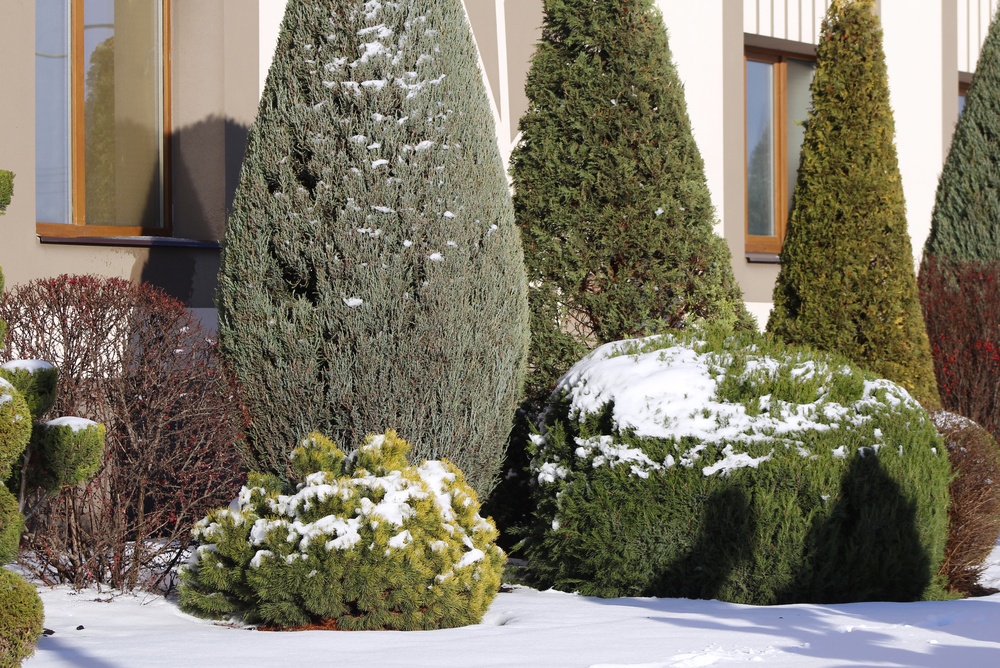
Your driveway might be perfectly clear of ice this winter, but the shrubs and flowers growing alongside it could be paying the price. Every time you spread rock salt or another deicing product, some of those chemicals can eventually reach nearby landscaping. By spring, you may notice brown evergreen needles, damaged leaves, or plants that simply aren’t growing the way they should.
The problem is more common than many homeowners realize, especially in areas where winter storms require frequent deicing.
According to the University of Minnesota Extension, road salt can damage plants through direct contact with foliage and by accumulating in surrounding soil. Fortunately, preventing salt damage to plants doesn’t mean allowing your driveway to become dangerously icy. A few adjustments to your winter maintenance routine can help protect your landscaping while keeping walkways and driveways safer.
Why Driveway Salt Can Be So Destructive
Most traditional rock salt products contain sodium chloride, which helps melt ice but can create serious problems for nearby vegetation. When salty runoff enters garden beds, sodium and chloride can interfere with plant water uptake and contribute to unhealthy soil conditions. Salt spray from passing vehicles or snowblowers can also injure evergreen foliage and dormant buds, particularly along the edges of driveways and roads. The University of Massachusetts Amherst Extension explains that salt exposure can cause leaf scorch, needle browning, stunted growth, and branch dieback. Because symptoms sometimes appear months after winter applications, homeowners may mistakenly blame insects, drought, or disease instead of recognizing that preventing salt damage to plants starts with their snow-removal habits.
Use Less Deicer Without Sacrificing Safety
One of the easiest ways to reduce landscaping damage is to apply only the amount of deicing product necessary for safe walking and driving. Spreading extra salt doesn’t automatically make ice disappear faster, particularly when temperatures fall below the product’s effective working range. Try using deicing products carefully and minimizing applications near sensitive vegetation. Remove snow promptly with a shovel or snowblower before it becomes compacted, then treat remaining slippery areas instead of covering the entire driveway unnecessarily. This approach can lower winter maintenance expenses while reducing the amount of salt that eventually reaches surrounding garden beds.
Choose Deicing Products More Carefully
Not all ice-melting products contain the same chemicals, and their effects on landscaping can differ considerably. Sodium chloride is inexpensive and widely available, but it can be particularly troublesome when used repeatedly near sensitive shrubs and trees. Calcium chloride and magnesium chloride may work at lower temperatures, although both can still injure plants when applied excessively or allowed to accumulate in soil. Products containing calcium magnesium acetate are generally considered less damaging to vegetation, but they can cost more and may not perform identically to traditional rock salt. When preventing salt damage to plants, compare product ingredients, follow application instructions, and remember that no chemical deicer should be treated as completely harmless to your garden.
Install Barriers Around Vulnerable Shrubs
If you have boxwoods, arborvitae, or other evergreens growing immediately beside a driveway, physical barriers can help reduce direct salt exposure. Protective barriers are recommended for plants exposed to road salt spray and other winter hazards. A simple burlap screen attached to wooden stakes can help intercept salty slush and spray before they reach delicate foliage. Position the screen between the driveway and the plants, leaving enough space so the material doesn’t rub against branches during windy weather. Remember that barriers primarily protect aboveground growth, so proper drainage and careful deicer application are still necessary to prevent salty runoff from entering the root zone.
Be Careful Where You Pile Snow
That convenient garden bed beside your driveway may seem like the perfect place to deposit snow after a winter storm. Unfortunately, snow removed from salted pavement can contain concentrated deicing chemicals that eventually enter the soil as temperatures rise. Repeatedly piling contaminated snow around shrubs may expose their roots to salt long after the driveway itself has dried. Whenever possible, direct snow toward areas where melting water can drain away from sensitive landscaping, without creating hazards for neighbors, sidewalks, or storm drains. If you use a snowblower, adjust the discharge direction to avoid repeatedly spraying salty slush onto evergreen hedges and ornamental plants.
Choose Salt-Tolerant Plants for High-Risk Areas
Sometimes the most practical solution is selecting landscaping that can better tolerate occasional exposure to winter deicing chemicals. Plants growing directly beside a heavily salted driveway face different conditions than those protected inside a sheltered backyard garden. Consider salt tolerance when choosing plants for areas exposed to road salt. Certain ornamental grasses, junipers, and other landscape plants may tolerate salt exposure better than sensitive species, although tolerance varies by cultivar, soil conditions, and whether exposure comes from spray or soil contamination. Before replacing damaged shrubs, consult your local cooperative extension office for plants suited to your climate and the specific conditions surrounding your driveway.
Watch for Damage When Spring Arrives
Salt damage isn’t always immediately obvious, making spring inspections especially important for homeowners with driveway-adjacent landscaping. Evergreen shrubs may develop brown needles or scorched foliage, while deciduous plants can show delayed leaf emergence, smaller leaves, or dieback along exposed branches. Salt injury can resemble damage caused by drought, winter weather, and other environmental stresses. If you suspect salt accumulation, consider a soil test through your local extension service and ask whether testing for soluble salts and sodium is appropriate. Where drainage is adequate, rainfall or careful irrigation may help leach soluble salts from soil, but severely affected areas may require additional corrective measures based on test results.
Small Winter Changes Can Save Your Landscaping
Preventing salt damage to plants is usually much less expensive than replacing shrubs, trees, and perennials after repeated winter exposure. Simple habits like shoveling before applying deicer, using the minimum effective amount, and keeping contaminated snow away from garden beds can reduce unnecessary damage. Protective barriers and thoughtful plant selection offer additional safeguards for homeowners whose landscaping sits close to busy driveways or sidewalks. Although icy surfaces still require appropriate safety precautions, homeowners don’t have to choose between protecting their families and protecting their gardens.
Have you ever noticed damaged shrubs or brown evergreens near your driveway after winter, and what steps have you taken to protect your landscaping from road salt? Share your experiences in the comments.
What to Read Next
How to Plant Shrubs Before the Ground Freezes
Why Volcano Mulching Can Damage Trees Before Winter
7 Garden Products You Can Stop Buying — Experts Say You May Not Need Them
Leave a Reply